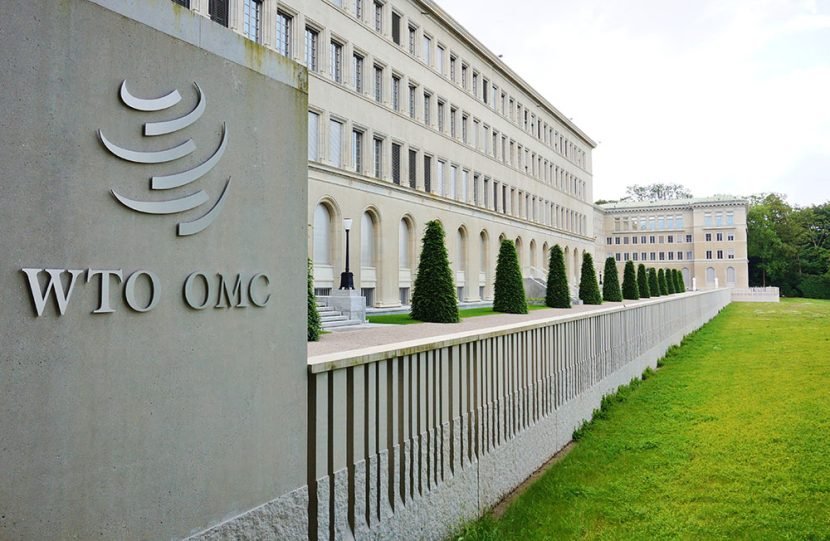
A fresh dispute at the World Trade Organization has placed global commerce under renewed pressure. Brazil has formally requested consultations with the United States after Washington introduced a new round of tariffs on Brazilian goods. The move marks the latest chapter in growing tensions over international trade rules and has drawn attention from exporters, investors, and policymakers across several continents.
Brazil takes its case to the WTO
Brazil filed its request under the WTO dispute settlement system, arguing that the latest US tariffs violate international trade commitments. The consultations represent the first stage of the WTO’s legal process. If both countries fail to resolve the dispute, Brazil can request the formation of a dispute panel.
The Brazilian government has maintained that the tariffs create unnecessary barriers for its exporters. Officials argue that the measures could disrupt trade flows in sectors that depend on stable market access, including agriculture and manufacturing. Washington has defended the tariffs as part of its broader trade policy.
How the dispute affects World Trade News
The latest developments have become a major World Trade News story because they involve two important trading partners and the rules governing global commerce. Trade experts say disputes between large economies often influence supply chains, investment decisions, and commodity prices far beyond the countries directly involved.
The WTO has repeatedly warned that rising tariff barriers and trade restrictions increase uncertainty for businesses. Although world merchandise trade expanded strongly in 2025, the organization continues to caution that higher tariffs could slow growth if more countries adopt similar measures.
New US tariff policy faces international criticism
The latest US tariff measures apply to imports from dozens of countries. The administration has said the policy targets concerns related to forced labor in global supply chains. Several trading partners dispute that justification and argue the measures conflict with established trade rules.
Legal experts have also questioned whether the new approach will withstand judicial scrutiny. Some analysts believe further court challenges could shape how the United States applies trade restrictions in the coming months.
Markets remain cautious
Financial markets have not reacted with the sharp volatility seen during earlier trade disputes. Investors are watching whether the disagreement expands into broader retaliation or remains within the WTO’s legal framework. Exporters are also monitoring shipping costs and future tariff announcements before making long-term decisions.
Why businesses are watching closely
For multinational companies, predictable trade rules remain essential. Manufacturers depend on cross-border supply chains, while agricultural exporters require stable access to overseas markets. New tariffs increase costs and create uncertainty for businesses that operate across multiple countries.
Economists say prolonged disputes may encourage companies to diversify suppliers or relocate parts of their production networks. Those decisions can take years and often reshape investment patterns across regions.
What happens next in World Trade News
The WTO consultation process gives Brazil and the United States an opportunity to negotiate before the dispute advances further. If no agreement emerges, the case could move to a formal dispute panel. The outcome may influence future tariff policies and shape how governments respond to similar trade conflicts.
As countries continue to balance domestic industries with international commitments, trade disputes are likely to remain at the center of World Trade News. Businesses, investors, and governments will watch the next round of negotiations closely because the decisions could affect global commerce well beyond this single case.

Curated news reports, in-depth analysis, and special features by India’s Opinion editorial team.