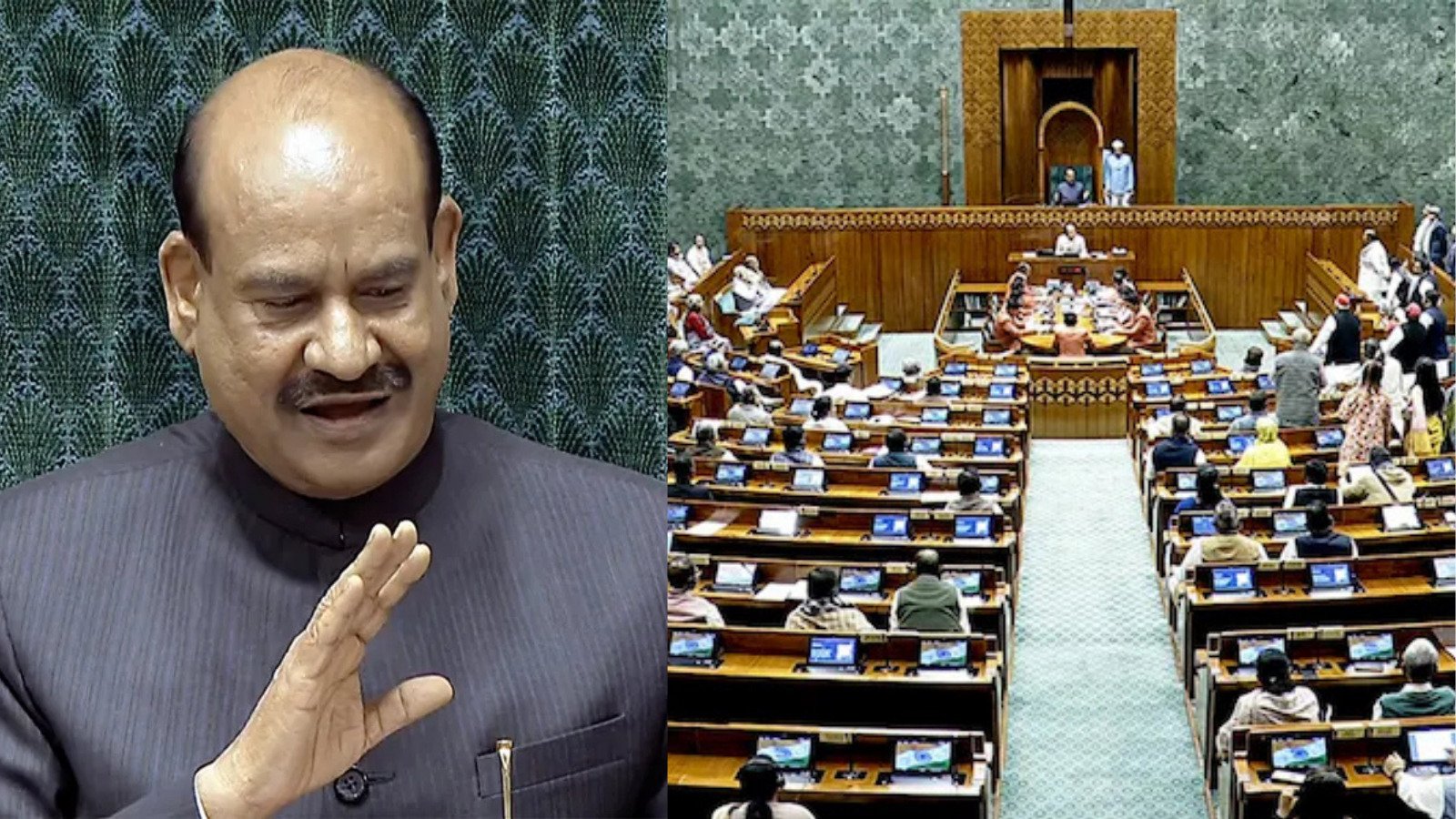
The government’s tougher anti-paper leak legislation cleared the Lok Sabha on Wednesday, with the House giving its assent by voice vote. The Public Examinations (Prevention of Unfair Means) Amendment Bill, 2026 now sets a two-month deadline to complete investigations into paper leak cases.
What the new law changes
The amendment significantly raises the stakes for those found guilty. Punishment for individuals involved in unfair means, including paper leaks, goes up from the earlier three-to-five-year range under the 2024 Act to five to 10 years. The fine has jumped too, from Rs 10 lakh to Rs 50 lakh.
Cases involving organised crime attract even steeper penalties: a minimum sentence of seven years and a fine of up to Rs 10 crore. The bill also lists 15 specific illegal acts as offences, including leaking question papers, tampering with OMR sheets, creating fake websites and issuing fake admit cards.
To back up the tighter timelines, the legislation mandates that every state government and Union Territory administration set up Special Fast Track Courts for day-to-day trial of these cases, along with the appointment of Special Public Prosecutors and time-bound disposal of appeals.
Rahul Gandhi’s remarks trigger uproar
The bill’s passage wasn’t without disruption. BJP MPs created a ruckus after Congress leader Rahul Gandhi’s remarks targeting Home Minister Amit Shah during the debate, prompting Speaker Om Birla to say parts of his speech would be expunged. The House was adjourned once amid the uproar before resuming discussion later in the day.
Addressing the media afterward, Gandhi defended his comments as a simple question rather than an allegation. “I have simply asked a question. There can only be two possibilities. Either the Home Minister ordered the firing, or he was unaware that the firing was taking place. In the first case, he is culpable. In the second, he is incompetent. There cannot be a third possibility,” he said.
He went on to question Shah’s absence from the House. “Also, he has not come to the House. Why is he not coming? He is supposedly the brave Home Minister of India. If he did not issue any order, then he should come and clarify that he did not. In any case, the larger issue is that I have the right to speak in Parliament, and I should be allowed to exercise that right.”
Parliamentary Affairs Minister Kiren Rijiju strongly objected to Gandhi’s remarks and demanded he apologise in the House. Speaker Birla also asked Gandhi to confine his comments to the bill and avoid making allegations without facts.
Rahul calls Pradhan’s resignation ‘superficial’
Beyond the Shah exchange, Gandhi used the debate to revisit Dharmendra Pradhan’s resignation as Education Minister, calling it “superficial” and alleging that the soul of the system remains captured by the RSS.
He also renewed his allegation that Shah had authorised the use of pellet guns against protesters, remarks that drew fresh protest from the treasury benches.
Elsewhere in the debate, Gandhi argued that India’s education system had grown prohibitively expensive, claiming the money spent conducting the NEET-UG exam exceeded the country’s education budget.
He said the student protests over the paper leak reflected a genuine expression of frustration among the youth, one he felt all political parties needed to respect, rather than an outbreak of violence or hatred.

Curated news reports, in-depth analysis, and special features by India’s Opinion editorial team.