
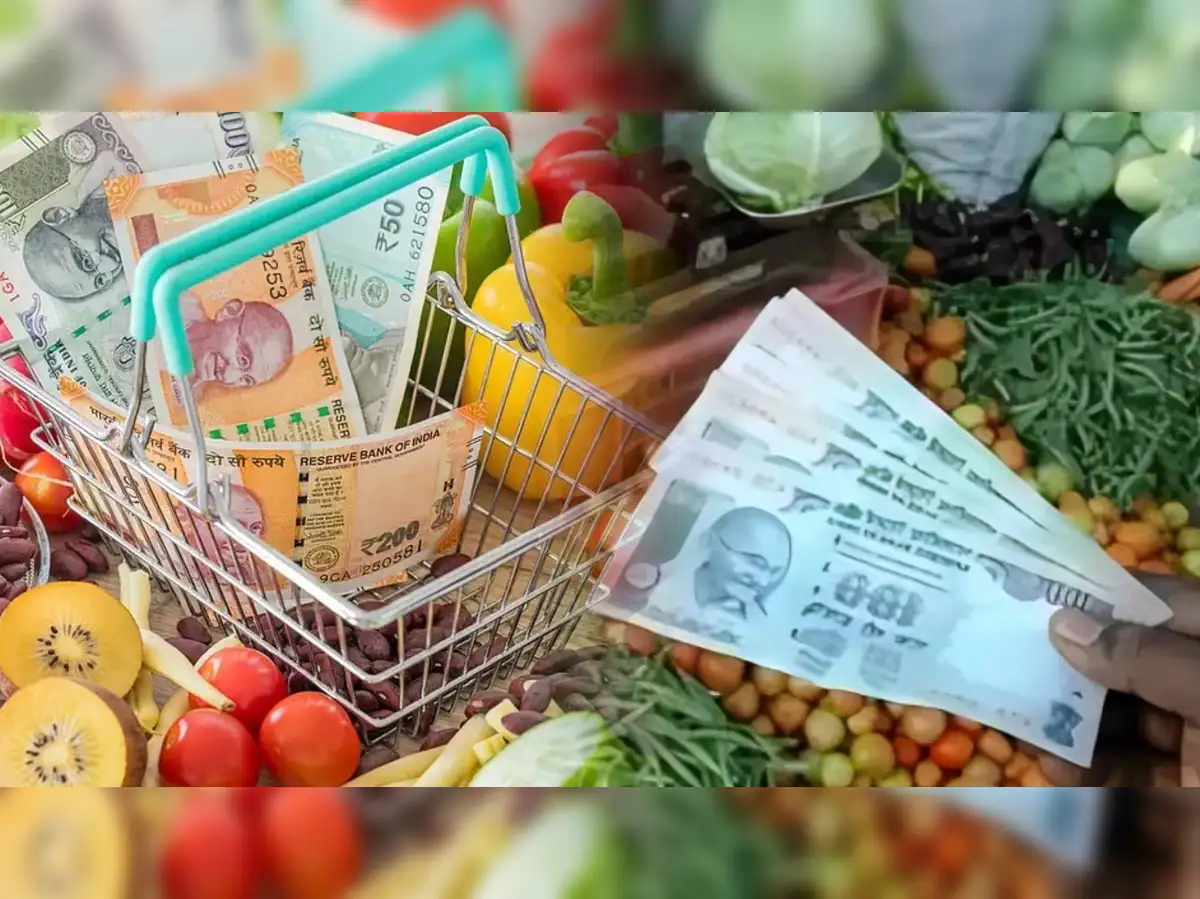
India inflation is expected to have increased for a second straight month in July, with economists forecasting consumer price growth of about 4.5%. Rising food prices and uneven monsoon rainfall are emerging as the main pressure points, putting the focus back on household costs and the Reserve Bank of India’s policy outlook.
A Reuters poll of 40 economists conducted between August 5 and 7 projected July consumer price inflation at 4.50%, compared with 4.38% in June. The estimate remains inside the RBI’s 2% to 6% tolerance band, but it is above the central bank’s 4% medium-term target.
The July figure has not yet been officially released. India’s Ministry of Statistics and Programme Implementation is responsible for publishing the consumer price index, so the final number could differ from the economists’ forecast.
India inflation turns higher as food prices rise
The latest movement marks a clear change from the exceptionally soft inflation readings seen earlier in 2026.
Retail inflation stood at 3.93% in May, according to official government data. Food inflation was higher at 4.78% during the month.By June, headline inflation had risen to 4.38%, while food inflation accelerated to 5.32%.
Reuters attributed the increase partly to weak monsoon showers and warned that weather conditions could keep pressure on agricultural output.
That shift makes food prices the key variable to watch in the July data.Food carries a large weight in India’s consumer price basket. Changes in vegetables, cereals, pulses and other essential items can therefore affect the headline inflation rate quickly.
Uneven monsoon adds pressure to food inflation
India’s agricultural economy remains highly sensitive to rainfall patterns. A normal monsoon can support crop production and help moderate food prices, while uneven rainfall can create shortages in specific regions or crops.
The current concern is not simply the amount of rainfall received nationally. Distribution also matters. Heavy rain in one area cannot necessarily compensate for inadequate rainfall in another major producing region.
Economists surveyed by Reuters expect food prices to remain the primary source of inflationary pressure in July. Core inflation, which excludes food and fuel, was expected to remain comparatively moderate at about 4.08%.
That distinction matters for policymakers. A food-led increase can behave differently from a broad acceleration in underlying price pressures.
What the July inflation forecast means for the RBI
The Reserve Bank of India faces a more complicated policy environment as inflation moves closer to its target.
The central bank recently kept interest rates unchanged. Reuters reported that policymakers remained attentive to weather disruptions and uncertainty in global energy markets while assessing the inflation outlook.
A temporary increase in food prices does not automatically require higher interest rates. Monetary policy has limited ability to increase the supply of vegetables, cereals or other agricultural products.
The RBI will instead look for evidence that higher food prices are spreading into other parts of the economy. Persistent increases in core inflation, wages or services prices would present a different policy challenge.
For consumers, however, the distinction between temporary and persistent inflation can feel less important. When essential food items become more expensive, household budgets face pressure regardless of the underlying cause.
From record-low inflation to renewed price pressure
The recent increase is particularly striking because India entered 2026 after a prolonged period of relatively low inflation.Official data showed headline inflation at 3.48% in April, with food inflation at 4.20%.
May brought only a modest increase in headline inflation to 3.93%. But the subsequent jump in June indicated that the earlier period of exceptionally soft price growth might be ending.The trajectory will matter more than any single monthly number.
If inflation settles near the RBI’s target, policymakers may retain room to support economic activity. If food and fuel pressures spread across the economy, that flexibility could narrow.
Why households will watch food prices closely
For Indian households, the most visible part of inflation is often found in the kitchen rather than in economic reports.Higher prices for vegetables, pulses, cereals and other staples can force families to alter consumption patterns.
Lower-income households generally feel such increases more sharply because food takes up a larger share of their monthly spending.Businesses also face indirect effects.
Restaurants, food processors, retailers and other companies may see input costs rise. Some can absorb the increase, while others may pass part of it to consumers.
The extent of that pass-through will help determine whether July’s expected increase remains concentrated in food or becomes a broader inflation problem.
What happens after the July CPI data
The official July inflation release will provide a clearer picture of whether the latest increase reflects temporary food pressure or a wider change in India’s price environment.
The RBI has projected average inflation for the financial year at around 5%, according to Reuters, while economists continue to monitor the interaction between food prices, rainfall, energy costs and domestic demand.For now, the 4.5% forecast does not indicate an inflation crisis.
It does, however, mark a return of price pressures after months of unusually low readings.The next few inflation reports will therefore matter more than the July number alone. If food prices stabilise as supplies improve, inflation could remain manageable.
If weather disruptions continue and price pressures spread beyond food, the RBI may have to reassess how much room it has to support growth.

Curated news reports, in-depth analysis, and special features by India’s Opinion editorial team.