
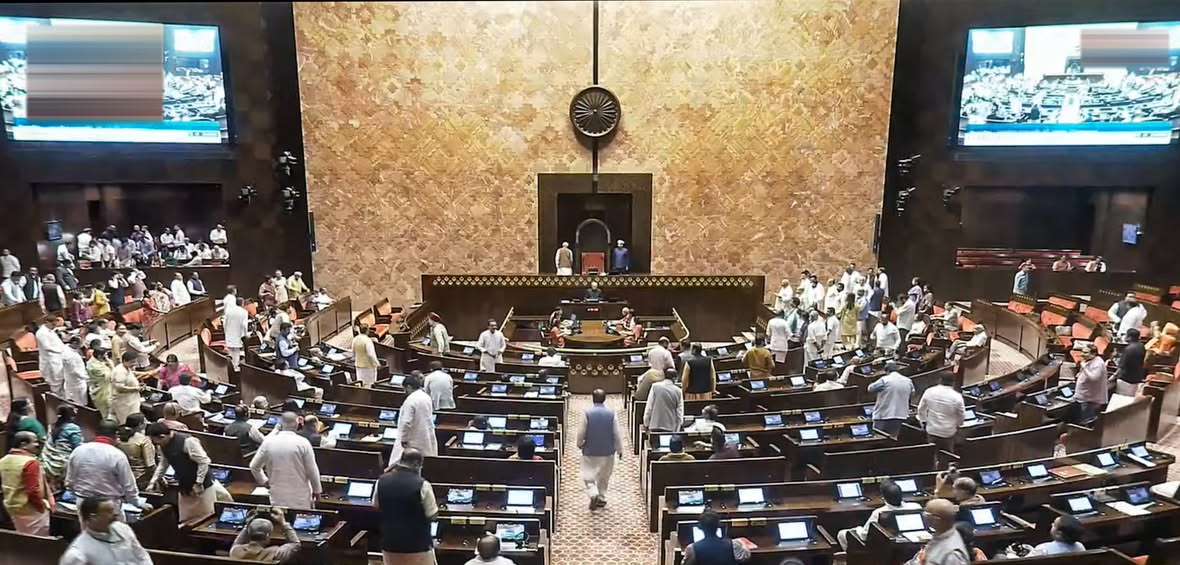
Insulting or obstructing ‘Vande Mataram’ could soon carry the same legal consequences as disrespecting the national anthem. Minister of State Nityanand Rai introduced the Prevention of Insults to National Honour (Amendment) Bill, 2026, in the Rajya Sabha on July 24, fifth day of the Monsoon Session.
The bill seeks to amend the Prevention of Insults to National Honour Act, 1971. That law currently makes disrespect toward national symbols, including the national flag, the Constitution and the national anthem ‘Jana Gana Mana’, a criminal offence carrying up to three years in prison.
What the bill actually does
The amendment would extend that same statutory protection to ‘Vande Mataram’ for the first time. Under the proposed law, anyone found guilty of intentionally insulting the national song or obstructing its singing could face imprisonment of up to three years, a fine, or both.
Currently, the 1971 Act requires people to stand during the national anthem and prohibits disrupting its rendition, but it does not extend that protection to Vande Mataram, despite its recognition as the national song. This bill closes that gap.
The timing is not incidental. The bill arrives in the 150th anniversary year of Vande Mataram’s composition, written by Bankim Chandra Chattopadhyay in 1876. The government has framed the legislative push as part of a broader effort to elevate the song’s official standing.
That effort began earlier this month. On July 9, the Union Home Ministry directed all states to ensure Vande Mataram is played before Jana Gana Mana whenever both are performed at official government functions, a move that preceded the bill by less than two weeks
The questions it raises
Legal commentators have flagged open questions around how the bill defines “insult,” and whether that definition is precise enough to withstand a constitutional challenge on free speech grounds.
The 1971 Act’s existing provisions on the flag and Constitution include specific carve-outs for legitimate criticism aimed at prompting lawful amendment, and how similar exceptions might apply to the national song remains to be clarified as the bill moves through Parliament.
Having been introduced in the Rajya Sabha, the bill will need to clear both Houses of Parliament and receive presidential assent before it becomes law.
How debate unfolds around the definition of “insult,” and whether the government amends the text in response to concerns raised during discussion, will determine the shape of the final legislation.

Curated news reports, in-depth analysis, and special features by India’s Opinion editorial team.