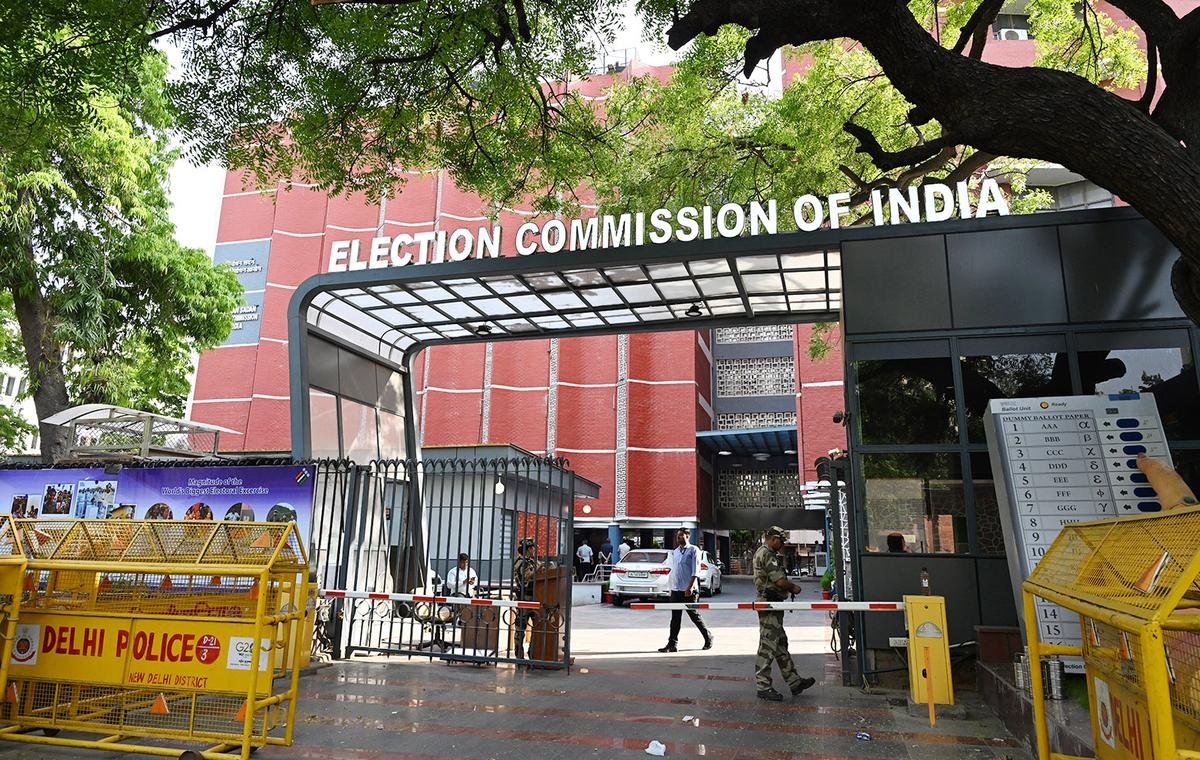
A bizarre UP MLC voter rolls software error Ram ne Yadav ko maara translation error produced comical and absurd entries in Uttar Pradesh electoral rolls on Friday. The glaring anomalies surfaced in draft voter lists prepared for the upcoming Legislative Council (MLC) elections. Citizens checking the electoral rolls in the Prayagraj region discovered nonsensical phrases listed in identity columns.
One prominent entry listed a voter’s father’s name as “Ram ne Yadav ko maara,” meaning “Ram hit Yadav.” Another entry recorded a parent’s name as “B.Com,” replacing a family surname with an undergraduate college degree. According to election reporting by The Hindu, the Election Commission attributed the blunders to faulty automated software algorithms. Therefore, district election authorities launched an emergency internal inquiry to rectify the corrupted digital rolls.
How Phonetic Names Became Literal Action Sentences
Technical investigators traced the embarrassing blunder to a malfunction in the digital transliteration module. When applicants submitted registration forms in English, the software attempted literal semantic translations into Hindi.
The software processed the common Indian personal name “Ramhit Yadav” as three separate English words. As detailed by The Economic Times, the automated tool translated the syllable “hit” as the verb “to strike.” Consequently, the program generated the sentence “Ram ne Yadav ko maara” on official voter slips. The faulty algorithm similarly converted “Ramhit Sharma” into “Ram ne Sharma ko maara.” Furthermore, software glitches converted other traditional names into offensive or comical terms like “Moorkh Chand.”
Opposition Mocks Election Commission Over Algorithmic Flaws
The viral errors provided fresh ammunition to opposition political parties in Uttar Pradesh. Leaders of the Samajwadi Party and Congress ridiculed the poll body’s automated revision processes. Opposition spokespersons questioned how automated software published unverified drafts without basic manual scrutiny.
They argued that automated glitches expose deep procedural vulnerabilities within the Election Commission’s digital infrastructure. As reported by India TV News, party leaders linked the blunders to ongoing disputes over deleted voter records. Opposition strategists noted that careless automated tools could easily disenfranchise genuine voters during high-stakes elections. In addition, student groups staged lighthearted protests holding banners featuring the mistranslated names. As a result, the technical malfunction escalated into an uncomfortable political controversy for election officials.
Electoral Office Orders Comprehensive Manual Verification
The Chief Electoral Officer (CEO) of Uttar Pradesh moved quickly to reassure political parties and voters. Senior election officials clarified that the published draft represents a provisional working document.
The state election department instructed local booth-level officers (BLOs) to conduct 100 percent manual verifications across affected constituencies. Meanwhile, technical software teams disabled the automated translation tool to prevent further linguistic blunders. On the other hand, officials urged registered graduates and teachers to verify their voter slips through the official portal. The election machinery promised to publish fully corrected final electoral rolls before candidate nominations commence.

Curated news reports, in-depth analysis, and special features by India’s Opinion editorial team.