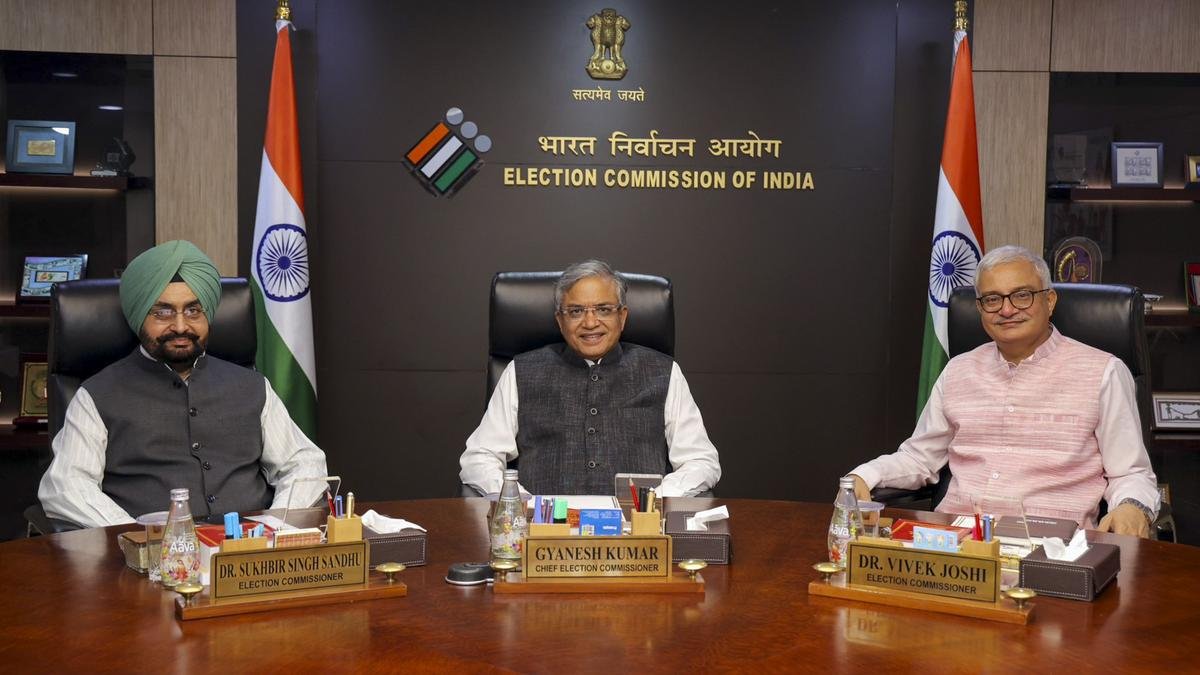
The Election Commission of India has unveiled nine major procedural decisions. This urgent policy intervention followed widespread public debates over voter list revisions. According to The Indian Express Explained, the full commission met to resolve internal friction. Officials sought to balance administrative reforms with ongoing nationwide revision exercises. As a result, several operational methods will shift significantly for field officers. However, the core framework of the voter update program continues unchanged. Earlier, allegations surfaced regarding arbitrary voter exclusions in several sensitive states. Consequently, the poll watchdog moved swiftly to restore credibility among voters.
Setting Strict New Protocols for Internal Meetings
The most immediate reform directly targets how the commission conducts business. As reported by The Economic Times, formal agendas must circulate prior to every meeting. In addition, detailed official minutes will record all decisions and discussions. This new rule addresses complaints that members were bypassed on key matters. Therefore, commissioners will receive adequate time to study files before voting. Meanwhile, the poll panel reiterated that collegiate discussions guide its choices. Written records will help eliminate misunderstandings between the chief and commissioners. Furthermore, transparent procedures strengthen accountability across the senior administrative leadership.
Doorstep Verification Replaces In-Person Electoral Hearings
The commission also introduced major relief measures for regular registered citizens. Electors who received revision notices will no longer attend crowded hearings. Instead, local booth level officers will visit residences to check records. Similarly, officers must collect supporting documents directly from electors during visits. This change prevents ordinary people from waiting in long administrative queues. In addition, authorities gave strict instructions that no genuine name disappears arbitrarily. Local assistance desks will guide families through paperwork in every subdivision. Consequently, rural and urban voters can resolve discrepancies without unnecessary harassment.
Technical Overhaul for the Central Voter Database
Growing technical concerns prompted the commission to order an algorithmic review. A specialized committee will thoroughly inspect the central digital voting platform. A senior deputy election commissioner will lead this comprehensive investigative assessment. Furthermore, independent software specialists will join the panel to evaluate code. The team will examine why automated filters incorrectly flagged certain citizens. Meanwhile, authorities restored the simple Form Six for non-revision enrolment drives. Young first-time voters can now register without facing confusing technical obstacles. Therefore, the digital system should become far more dependable very soon.
Core Electoral Revision Program Remains Intact
Despite several procedural modifications, key foundational policies stay firmly in place. Most importantly, the Special Intensive Revision will proceed across targeted states. The commission rejected all demands from opposition parties to scrap operations. Likewise, the existing statutory framework continues to govern all commission decisions. The Chief Election Commissioner retains full constitutional status alongside fellow commissioners. In addition, previous revision directives were defended as collectively approved actions. Therefore, the overall legal authority of the watchdog remains completely undisturbed. The central government and poll officials continue backing the wider exercise.
Lingering Doubts and the Path to Public Trust
Political parties responded to the commission’s announcement with sharp skepticism. Opposition leaders described the changes as a late and defensive reaction. They demanded independent judicial supervision over all ongoing voter roll deletions. Furthermore, critics questioned why corrective steps were delayed for so long. However, ruling alliance representatives stated that the guidelines ensure fair elections. Ultimately, successful execution on the ground will decide whether doubts settle. State election offices must enforce these guidelines strictly during upcoming revisions. Maintaining fair voting rolls remains essential for safeguarding India’s democratic foundations.

Jitendra Kumar is a graduate of the acclaimed IIMC with extensive experience across leading newspapers and media organisations.