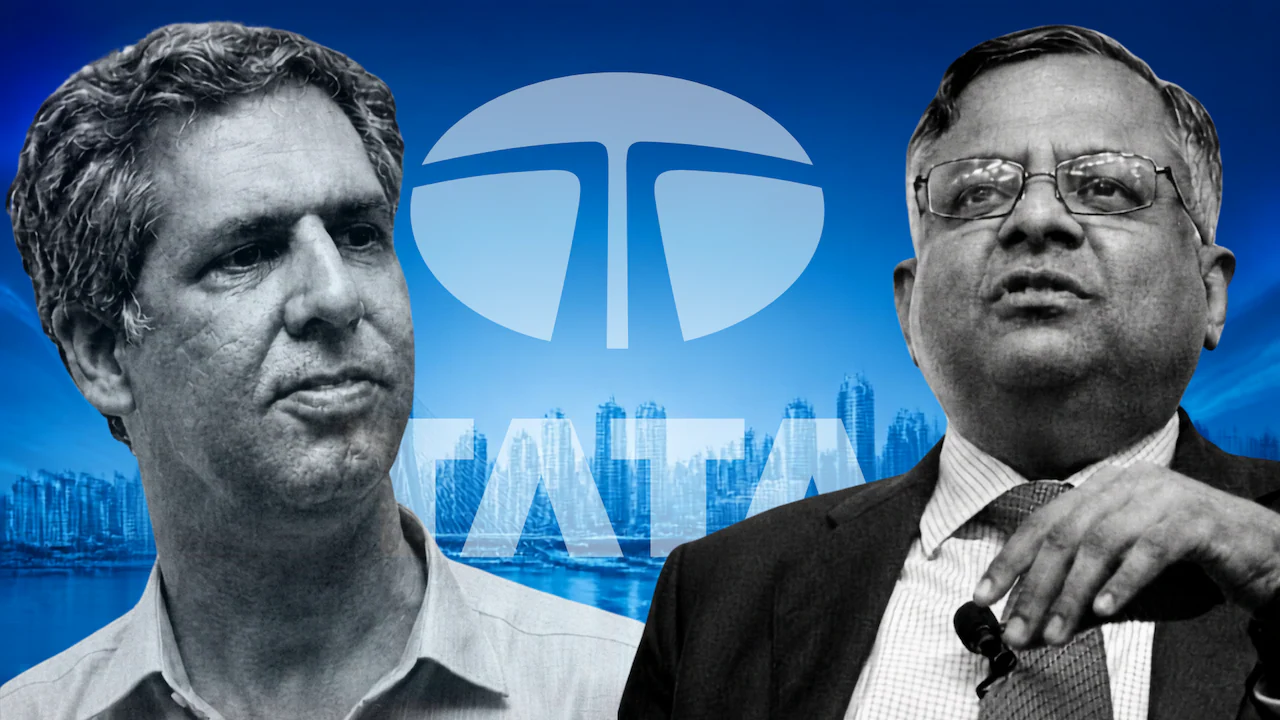
The landmark Supreme Court verdict in the Tata-Mistry dispute has resurfaced amid a fierce corporate confrontation. Tata Trusts recently declared the boardroom reappointment of executive chairman N Chandrasekaran legally void from the outset. Furthermore, trustees challenged the controversial deployment of a chairman’s tie-breaking casting vote during deliberations. The dramatic clash exposes foundational questions regarding shareholder democracy versus institutional trustee control, explains The Indian Express.
The disputed board meeting convened at corporate headquarters in Mumbai on September 17. Independent director Harish Manwani used a casting vote to approve Chandrasekaran’s third executive term. However, Tata Trusts chairman Noel Tata forcefully rejected the reappointment resolution during voting. Consequently, the philanthropic majority shareholder insists that the decision breaches internal constitutional covenants, reports The Hindu.
Deciphering Article 121 and Affirmative Voting Rights
Tata Trusts collectively own sixty-six percent of equity share capital in Tata Sons. Under Article 121 of the company’s Articles of Association, crucial resolutions require affirmative trustee backing. Specifically, the constitutional clause mandates affirmative assent from a majority of Trust-nominated directors. In addition, the governance framework ensures that general board majorities cannot override philanthropic owner preferences.
Currently, only two trustee nominees occupy designated seats on the Tata Sons board. While co-nominee Venu Srinivasan supported the leadership resolution, Noel Tata formally recorded his dissent. Therefore, the resolution failed to secure the indispensable affirmative majority required between the nominees. Trustees firmly maintain that a majority across two individuals strictly requires two concurring votes.
The Precedent Set by the Cyrus Mistry Ruling
The current legal position taken by Tata Trusts directly mirrors the Supreme Court’s 2021 judgment. During that legal conflict, former chairman Cyrus Mistry fiercely attacked Articles 104B and 121. Mistry claimed that affirmative voting rights subjected minority shareholders to relentless corporate oppression and prejudice. Moreover, the Shapoorji Pallonji Group petitioned commercial tribunals to strike down the special veto covenants entirely.
However, Tata Sons successfully defended these identical articles before the nation’s highest judicial bench. The Supreme Court validated the special clauses, recognizing them as legitimate majority shareholder safeguards. Consequently, Tata Trusts argue that management cannot conveniently discard constitutional protections it once championed. In addition, trustees warned that diluting affirmative rights fundamentally compromises the philanthropic group’s historic mission.
The Contested Legitimacy of a Casting Vote
Tata Sons directors maintained that internal voting splits created a functional administrative deadlock. They claimed that standard corporate statutes allow meeting chairs to resolve operational deadlocks with casting votes. Nevertheless, legal advisors for Tata Trusts vigorously disputed the assertion that executive paralysis existed. The trust statement emphasized that exercising a legitimate constitutional veto represents valid governance rather than systemic deadlock.
Corporate law establishes that a casting vote only breaks ties across general board headcounts. Furthermore, company articles state that casting votes cannot dismantle separate affirmative voting prerequisites. Tata Trusts reiterated that chairmen cannot extinguish statutory covenants designed to protect majority ownership interests. The sharp division highlights deep structural tensions between professional managers and principal shareholders, observes The Straits Times.
Listing Mandates and the Road to Tribunal Battle
Underlying tensions also reflect deep strategic disagreements regarding the prospective public listing of Tata Sons. Central bank regulations classify the holding firm as an upper-layer non-banking financial institution. Meanwhile, Tata Trusts strongly oppose public listings, preferring to maintain long-standing unlisted philanthropic control. Consequently, trustees argue that existing internal ethical codes deliver superior governance without public equity market exposure.
Legal experts predict that the unprecedented boardroom confrontation may soon transition into high-stakes litigation. Both factions have engaged prominent senior jurists to evaluate potential appeals before company law benches. Furthermore, the dispute marks a critical test of leadership after the demise of legendary patriarch Ratan Tata. The eventual outcome will reshape power distribution across India’s largest industrial empire, reports The Economic Times.

Jitendra Kumar is a graduate of the acclaimed IIMC with extensive experience across leading newspapers and media organisations.