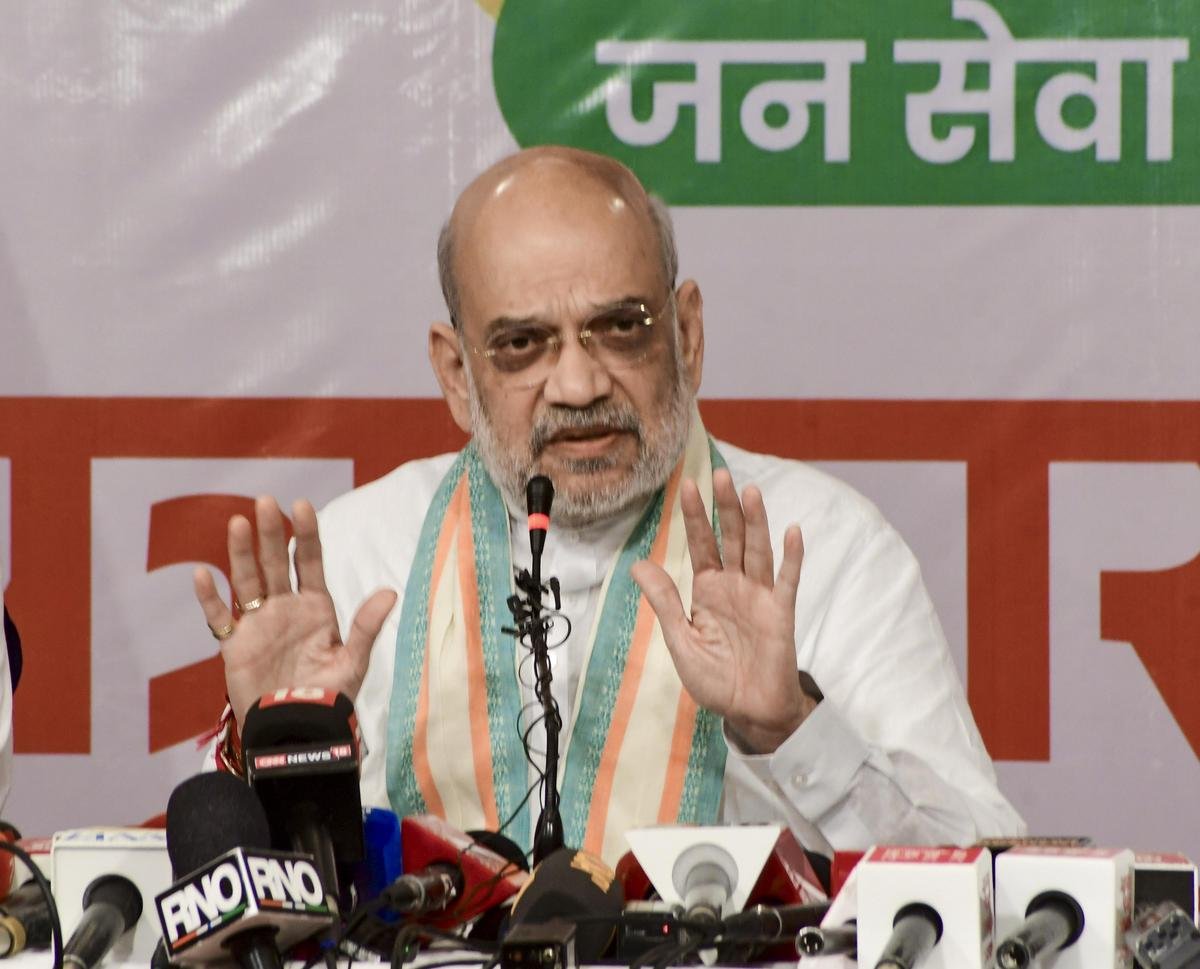
Divergent voices have emerged within the National Democratic Alliance regarding the proposed Uniform Civil Code (UCC). Key partners Telugu Desam Party and Shiv Sena backed Union Home Minister Amit Shah’s call for nationwide legal uniformity. In contrast, the Janata Dal (United) announced that Bihar will not implement the controversial civil code. The sharp split underscores persistent ideological friction among coalition partners, according to The Indian Express.
The public disagreement follows Amit Shah’s assertive declaration that India will enact UCC across all states by 2029. Senior Bharatiya Janata Party leaders continue to promote common personal laws for marriage, divorce, and inheritance. However, regional parties operate under distinct demographic pressures and electoral equations. Consequently, coalition managers must balance national ideological priorities against regional sensitivities.
Amit Shah’s Strategic Roadmap for a Nationwide Code
Union Home Minister Amit Shah urged state administrations to draft comprehensive UCC legislation without delay. He reiterated that modern democratic nations require uniform civil standards for all citizens regardless of faith. Furthermore, the central government champions Uttarakhand’s enacted model as an adaptable blueprint for other states. Shah stressed that personal law reforms guarantee equal constitutional rights for women across communities.
The BJP envisions a coordinated rollout across party-ruled states ahead of national parliamentary polls. Party strategists believe state-level enactments will gradually build nationwide legal acceptance. Meanwhile, central ministers continue to invite regional allies for structured consultations on draft provisions. Therefore, the ruling party seeks to build a broad consensus while preserving key coalition alliances.
TDP and Shiv Sena Offer Conditional Endorsement
Andhra Pradesh Chief Minister Chandrababu Naidu’s TDP signaled pragmatic openness toward personal law reforms. Party representatives emphasized that statutory measures must prioritize gender justice, modern education, and civic welfare. However, TDP leadership maintains that the Union government should consult minority community representatives before passing legislation. Consequently, the southern ally supports modernizing family laws while seeking protective institutional safeguards.
Similarly, Maharashtra’s ruling Shiv Sena faction led by Eknath Shinde voiced complete ideological support for the common code. Shinde’s leaders argue that constitutional equality remains essential for national integration and social harmony. Furthermore, the party views civil code implementation as a core historical mandate of the nationalist movement. In addition, Shiv Sena leaders urged other regional allies to set aside narrow electoral calculations.
JD(U) Draws a Firm Red Line in Bihar
In sharp contrast, Nitish Kumar’s JD(U) struck an assertive and discordant note from Patna. Senior state cabinet ministers stated unequivocally that Bihar would not enforce UCC within its borders. Party spokespersons asserted that diverse cultural traditions and complex community sensitivities require careful preservation. Therefore, the party firmly opposes enforcing standardized civil statutes without comprehensive ground-level consensus.
Party strategists worry that sudden civil code reforms could alienate critical minority and backward-class voter bases. Chief Minister Nitish Kumar has built his political reputation on communal peace and inclusive social harmony. Consequently, JD(U) leaders insist that state administrations must retain full autonomy over sensitive social policies. Several ministers plan to discuss these concerns directly with Amit Shah, as reported by The Times of India.
Balancing Coalition Arithmetic and Ideological Goals
The current parliamentary numbers place substantial leverage in the hands of regional coalition allies. The BJP depends heavily on TDP and JD(U) support to maintain its Lok Sabha majority. While the central leadership wants to deliver on flagship manifesto promises, parliamentary passage requires unanimous coalition backing. Furthermore, smaller alliance partners like Hindustani Awam Morcha have urged caution regarding tribal customary practices.
Political observers note that coalition dynamics inevitably soften sweeping legislative pushes. The Union government cannot introduce a central UCC bill without risking immediate friction on the floor of Parliament. Consequently, central leaders favor an incremental state-by-state adoption strategy to test public reactions. This flexible mechanism allows enthusiastic states to proceed while hesitant regional allies maintain independent policies.
The Road to Consensus Across Diverse States
The evolving debate shows that legal uniformity faces complex hurdles across India’s multicultural landscape. Legal scholars argue that personal law reforms require extensive dialogue with tribal leaders and religious organizations. Meanwhile, civil society groups emphasize that protecting fundamental rights must guide any statutory overhaul. Dialogue between coalition partners will determine the final shape of civil reforms over coming months.
National consensus will depend on the government’s ability to accommodate regional diversities within uniform frameworks. Amit Shah’s ambitious 2029 timeline leaves substantial room for legislative drafting and committee reviews. In addition, coalition partners will likely demand specific exemptions for distinct indigenous customs. How the ruling alliance navigates these competing priorities will define Indian social policy for the next decade.

Curated news reports, in-depth analysis, and special features by India’s Opinion editorial team.