

Lithuania Issues Fresh Security Warning
Lithuania has issued a strong warning that Russia may be preparing targeted attacks against critical infrastructure in the Baltic region, escalating concerns among NATO allies and European leaders. Lithuanian officials said recent intelligence assessments indicate that Moscow could be planning acts of sabotage against important facilities such as power grids, transport networks, communication systems, and energy infrastructure. This alert comes as Lithuania warns Russia attacks could be imminent. Although authorities have not confirmed any specific attack plans or timelines, they stressed that the information is being treated with the highest level of seriousness.
The warning comes at a time when tensions between Russia and NATO remain high due to the continuing conflict in Ukraine. Security experts believe that attacks on civilian infrastructure, even if limited in scale, could be intended to disrupt public services, create uncertainty, and test the alliance’s ability to respond collectively. Lithuanian authorities, aware that Lithuania warns Russia attacks may target these vital assets, have therefore increased surveillance and security around key installations while coordinating closely with NATO partners.
Intelligence Reports Trigger Increased Vigilance
Government officials stated that intelligence agencies have been monitoring suspicious activities linked to possible hybrid warfare operations. Hybrid warfare typically combines cyberattacks, disinformation campaigns, sabotage, and covert operations instead of conventional military action. According to Lithuanian authorities, these methods have become an increasingly common feature of modern geopolitical conflicts and, more recently, Lithuania warns Russia attacks could involve such operations.
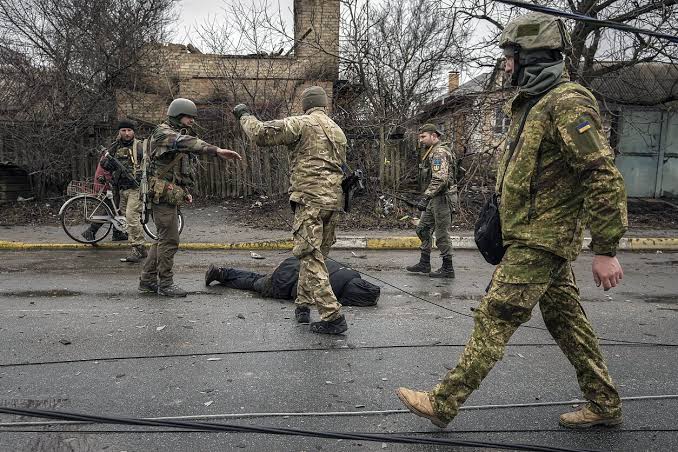
As a precaution, additional security personnel have been deployed to protect strategic infrastructure, while emergency response agencies have been instructed to remain on high alert. Officials have also urged businesses operating essential services to strengthen cybersecurity measures and review emergency response plans in case of disruptions. Lithuania warns Russia attacks are a real concern, and preparedness is essential.
NATO Strengthens Coordination
The latest warning has prompted discussions among NATO members regarding regional security and defence preparedness. Baltic nations, including Latvia and Estonia, have expressed similar concerns in recent months over potential sabotage and cyber threats targeting vital infrastructure. In light of current threats, Lithuania warns Russia attacks must continue to be monitored by all NATO partners.
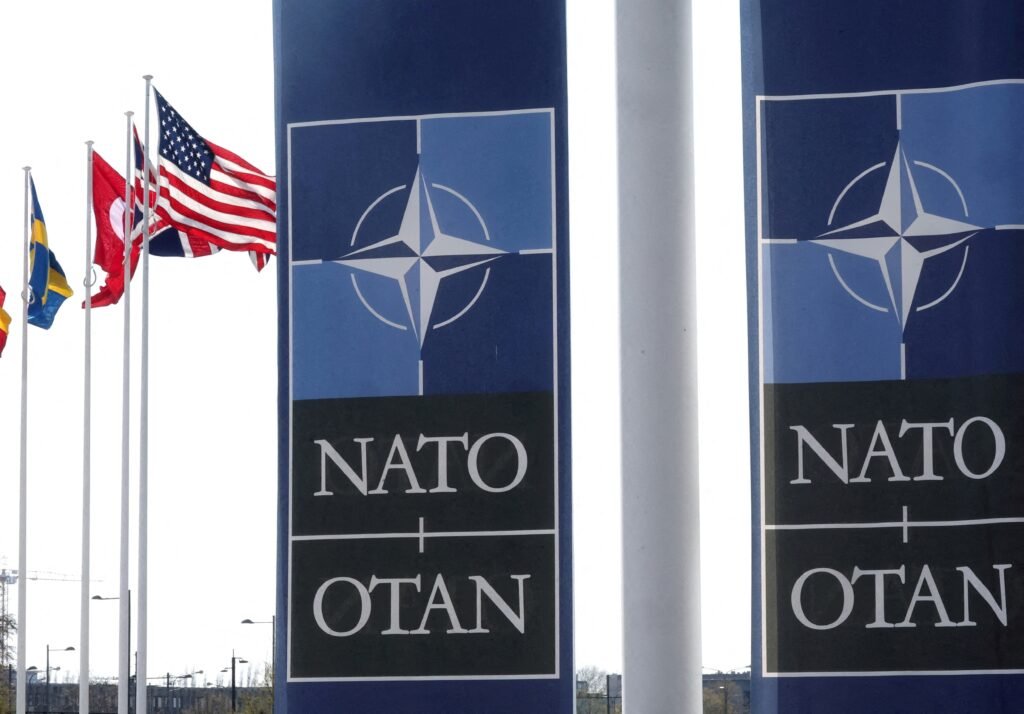
NATO officials continue to emphasize that the alliance remains committed to defending all member states under Article 5 of the North Atlantic Treaty. Defence experts note that maintaining close intelligence sharing and rapid coordination among allies is essential in responding to evolving security threats in Eastern Europe. Moreover, Lithuania warns Russia attacks must be taken seriously to preserve safety in the region.
Kremlin Rejects Lithuania’s Allegations
Russia has firmly denied the allegations made by Lithuania. Kremlin officials described the claims as politically motivated and accused Western governments of using security concerns to justify increased military deployments near Russia’s borders. Despite this, the discourse over Lithuania warns Russia attacks continues in European media.

Moscow has repeatedly rejected accusations of planning attacks on NATO territory, arguing that such statements contribute to unnecessary tensions. However, European governments continue to monitor developments carefully, citing previous incidents involving cyberattacks and suspected sabotage operations across the continent.
Why This Development Matters
The warning from Lithuania highlights the growing importance of protecting critical infrastructure during periods of geopolitical instability. Energy systems, transportation networks, communication services, and digital infrastructure are increasingly viewed as strategic targets in modern conflicts because disruptions can significantly impact economies and public life without requiring direct military confrontation. As this concern grows, Lithuania warns Russia attacks may focus on these weak spots.

If any attack were to occur against infrastructure in a NATO member state and be conclusively linked to Russia, it could trigger serious diplomatic and security consequences, including coordinated responses from alliance members. As a result, governments across Europe are continuing to enhance cybersecurity, strengthen intelligence cooperation, and invest in the protection of essential national infrastructure.
Conclusion
While no attack has been confirmed, Lithuania’s warning has once again highlighted the fragile security situation in Europe. In summary, Lithuania warns Russia attacks should not be underestimated as authorities stay vigilant. The coming weeks are expected to see continued monitoring, increased defence cooperation, and closer coordination among NATO allies as they seek to deter potential threats and maintain regional stability amid ongoing tensions with Russia.

Curated news reports, in-depth analysis, and special features by India’s Opinion editorial team.