
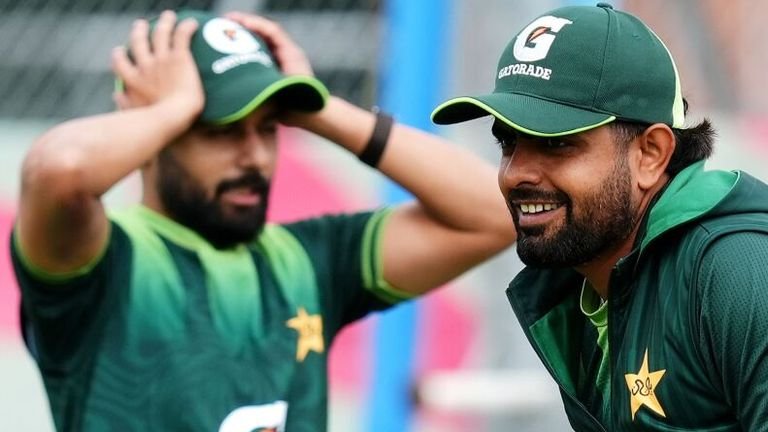
The Pakistan Cricket Board has opened an internal disciplinary inquiry after seven players were abruptly recalled from the team’s England tour. This has deepened a crisis that has already engulfed Pakistan’s Test campaign.
The investigation follows a dramatic squad overhaul after Pakistan lost the first two Tests against England. The board also replaced head coach Sarfaraz Ahmed and assistant coach Umar Gul before the final Test.
The Pakistan Cricket Board inquiry has not yet established public findings against any individual. PCB media director Amir Mir said the investigation followed media reports concerning discipline and conduct. The board has stressed that its procedures will give those involved due consideration.
Pakistan Cricket Board inquiry follows sudden squad shake-up
Seven players were sent home from England, including senior figures Mohammad Rizwan, Imam-ul-Haq and Salman Ali Agha.
Their removal came during a Test series in which Pakistan had already fallen 2-0 behind.
The timing has generated particular scrutiny. Pakistan had suffered heavy defeats at Headingley and Lord’s. Afterward, the board made sweeping changes to the squad and coaching staff.
The PCB has not publicly detailed the alleged incidents that prompted the investigation.
That distinction matters because several reports have linked the inquiry to possible disciplinary problems. However, the board has not announced any finding of wrongdoing.
Reports have also suggested that phones belonging to some players were examined during the inquiry.
The Guardian reported that two unnamed players had their phones confiscated. Moreover, data was retrieved as part of the investigation.
England tour exposes deeper Pakistan cricket problems
The Pakistan Cricket Board inquiry comes after months of criticism over team selection, coaching stability and administrative decision-making.
The board’s decision to make major changes midway through a Test series has drawn criticism from former Pakistan players. In addition, it has drawn criticism from coaches.
Former captain Ramiz Raja described the move as pressing the “panic button”. Meanwhile, Shahid Afridi questioned the logic of introducing players with limited Test experience during an ongoing series.
Former Pakistan cricketer Saeed Ajmal has also criticised the board’s handling of the situation.
He argued that the decisions could damage player confidence and accused the leadership of poor management.
Those comments represent his assessment, rather than an established finding about the players’ conduct.The coaching structure has also changed rapidly.
Mike Hesson took charge of the Test side for the final match after Sarfaraz Ahmed’s removal.
Hesson said he was not involved in the decision to send the senior players home. This was because the move had already taken place before he assumed responsibility.
Match-fixing claims remain unproven
The controversy has also revived speculation about match-fixing because of the history surrounding Pakistan cricket and the Lord’s venue.
Several reports have connected the current inquiry with match-fixing fears.
However, the Pakistan Cricket Board inquiry has officially been described as an investigation into discipline and conduct.
The PCB has not announced a match-fixing charge against any player.
That distinction is crucial. Allegations circulating in media reports do not establish that a player manipulated a match or breached cricket’s anti-corruption regulations.
The current investigation therefore needs to be judged on its eventual findings rather than speculation surrounding the team.
Pakistan cricket faces a test of leadership
The crisis has exposed a difficult question for Pakistan cricket. It is whether repeated changes can solve problems that appear to involve both sporting performance and administration.
Former players have criticised the lack of stability. In contrast, the PCB has defended its right to make changes when performance and discipline become concerns.
The board’s actions suggest that it wants greater control over standards inside the national setup. Yet the timing creates its own sporting risks.
Replacing players and coaches during an overseas Test series leaves little opportunity to build combinations or establish clear roles.
The final Test against England will therefore carry significance beyond the scorecard.
A new-look Pakistan side must attempt to restore competitiveness while the board investigates the circumstances behind the upheaval.
The Pakistan Cricket Board inquiry could provide answers about what happened inside the touring camp. However, the board has not set out a detailed public timeline for its conclusion.
Until it does, claims about individual wrongdoing should be treated cautiously.
The immediate challenge for Pakistan is to separate confirmed disciplinary findings from speculation. The goal is to rebuild confidence in a team that has undergone one of its most dramatic mid-series shake-ups in recent years.

Curated news reports, in-depth analysis, and special features by India’s Opinion editorial team.