Student protests often appear united from a distance, but every major movement eventually faces strategic choices about how to negotiate with power. The ongoing agitation over alleged examination irregularities has reached a similar moment. Recent developments involving education reform activist Sonam Wangchuk and the CJP have sparked speculation about whether the movement is beginning to fragment. While their methods have started to diverge, the broader objective remains largely unchanged: demanding accountability, transparency and meaningful reforms in India’s education system.
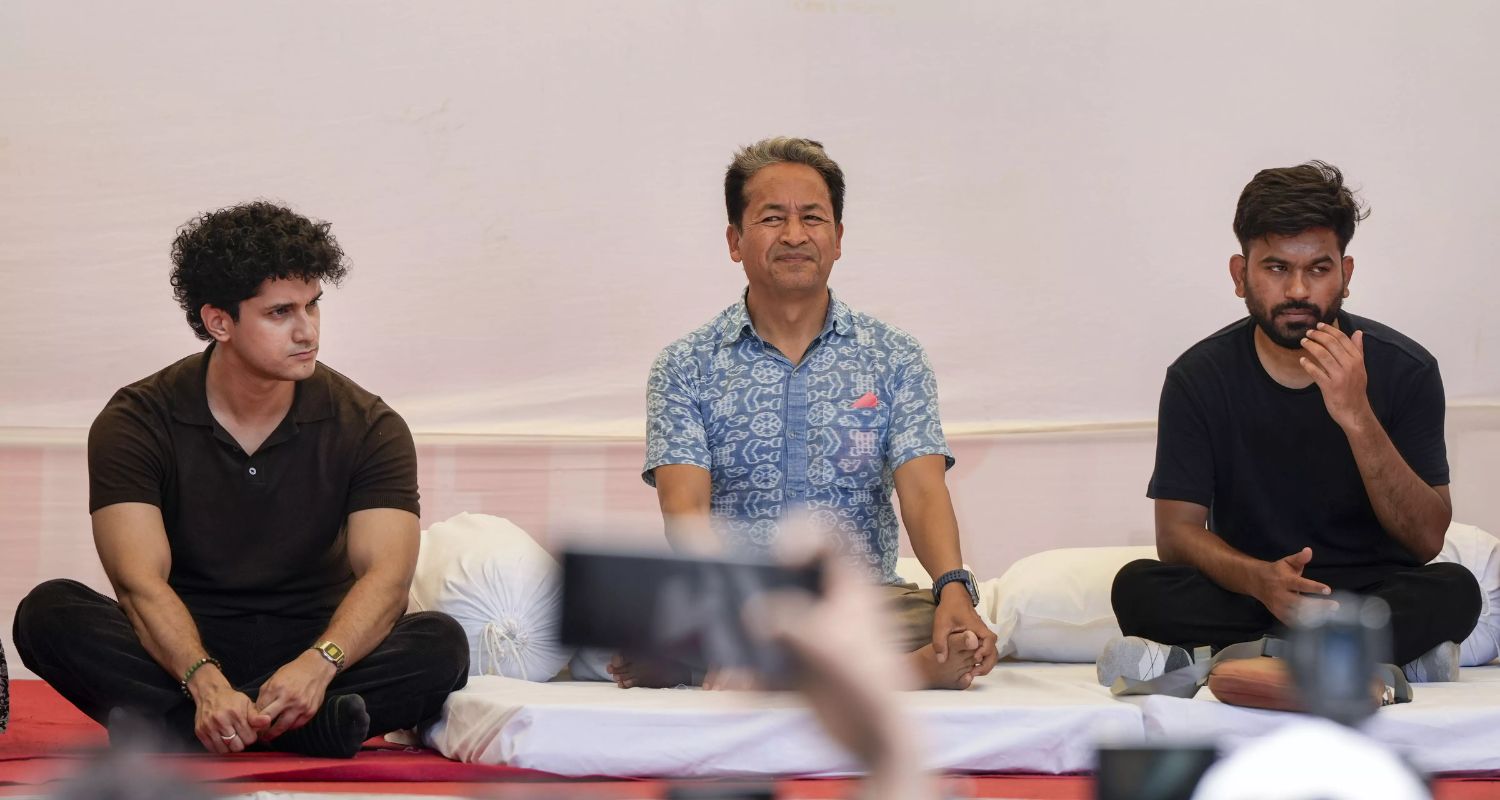
Sonam Wangchuk entered the movement at a time when student protests had already gained nationwide attention. His decision to undertake an indefinite hunger strike shifted the conversation beyond examination controversies. Known for his work on education, innovation and public policy, Wangchuk brought moral authority to the campaign and attracted support from academics, civil society organisations, professionals and citizens who may not have otherwise participated in student-led demonstrations. His involvement transformed the movement into a wider debate on governance, institutional credibility and the responsibility of public institutions.
The CJP, meanwhile, has continued to adopt a more politically assertive strategy. Its leadership has consistently argued that accountability requires more than assurances and has maintained pressure through demonstrations, public mobilisation and demands for political responsibility. For the organisation, sustained public pressure remains the most effective way to ensure that commitments made by the government eventually translate into structural reforms. The emphasis has been on keeping the movement visible and preventing momentum from fading before concrete action is taken.
The contrast between the two approaches became more apparent after government representatives initiated discussions with Wangchuk during his hospitalisation. Following those interactions, Wangchuk suggested that if the government demonstrated genuine intent and implemented meaningful reforms, he would be prepared to suspend his hunger strike and encourage students to consider pausing their protests. His remarks reflected a willingness to engage in dialogue while continuing to monitor the government’s actions.
CJP leaders, however, have adopted a more cautious position. They have maintained that negotiations should not weaken the movement’s central demands and have argued that public pressure must continue until commitments are implemented rather than merely announced. From their perspective, previous experiences have shown that promises without sustained scrutiny often fail to produce lasting institutional change.
These differing responses have led some observers to interpret the situation as a disagreement within the movement. However, movements built around public interest issues frequently accommodate multiple strategies at the same time. One approach seeks to influence governments through moral persuasion, public trust and dialogue. Another relies on political mobilisation, sustained demonstrations and organisational pressure. Neither strategy necessarily excludes the other. In many successful democratic movements, both have operated simultaneously, each strengthening different aspects of the campaign.
The real question is not whether Sonam Wangchuk and the CJP are on different sides. It is whether the movement can maintain unity while pursuing different methods of achieving the same objective. Strategic debates are common in large public campaigns and often reflect differing assessments of how governments respond to public pressure rather than disagreements over the cause itself.
What happens next will depend less on internal tactical differences and more on the government’s response. If policy reforms are announced and implemented with transparency, calls for continued protests may naturally diminish. If commitments remain vague or delayed, demands for sustained mobilisation are likely to grow stronger. The coming weeks will determine whether dialogue becomes the foundation for reform or whether public demonstrations continue to dominate the national conversation.
The larger significance of this moment extends beyond one protest or one organisation. It raises broader questions about how democratic movements evolve, how governments engage with dissent and how public trust can be rebuilt after controversies surrounding examination integrity. Regardless of whether change is pursued through negotiation or sustained protest, the demand shared by students, activists and civil society remains remarkably consistent: an education system that is transparent, accountable and worthy of public confidence.

Curated news reports, in-depth analysis, and special features by India’s Opinion editorial team.