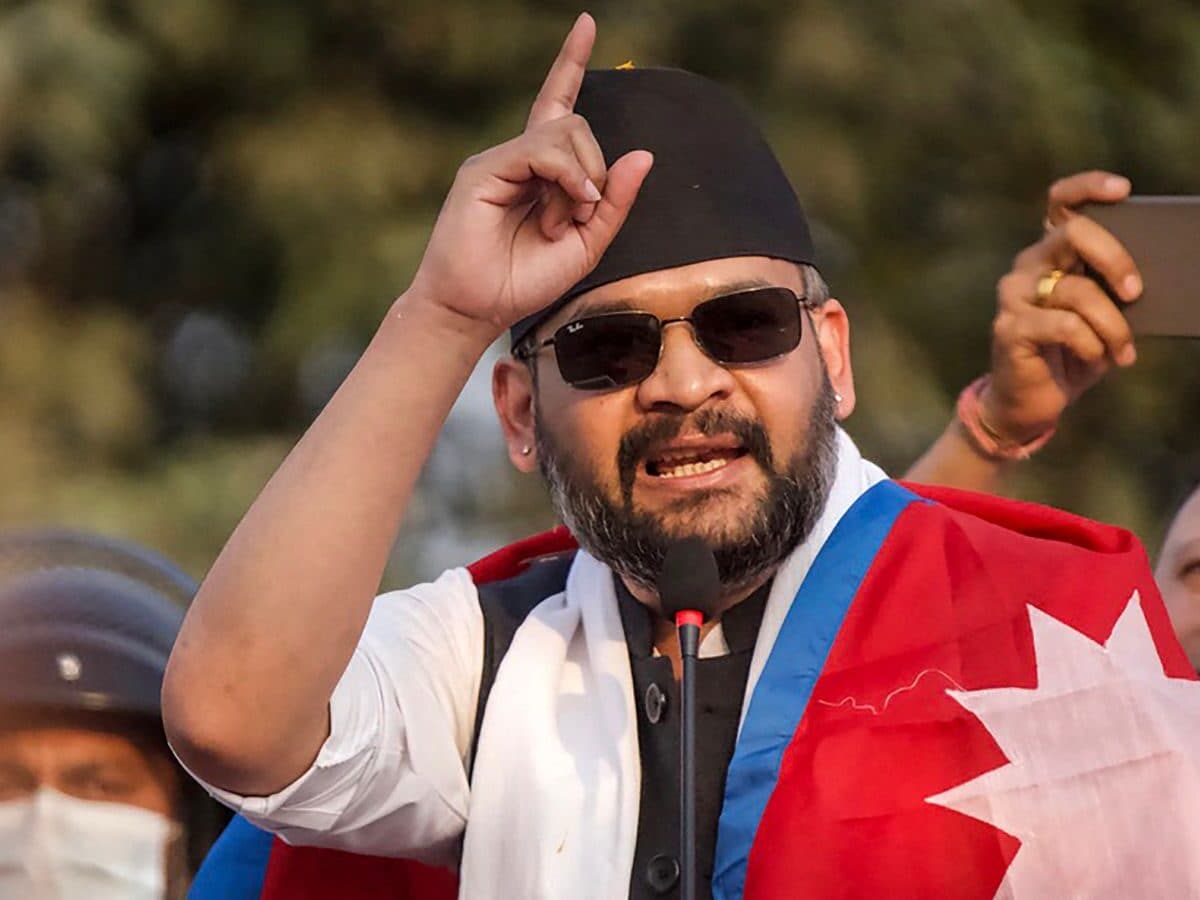
Nepal’s Generation Z, the same youth movement that helped propel Balendra “Balen” Shah to national leadership, has once again taken to the streets. The latest protests in Kathmandu reflect growing frustration over governance, police action, urban development policies and the government’s handling of vulnerable communities.
The demonstrations come only months after Balen Shah rode a wave of youth support and anti-establishment sentiment to become Nepal’s Prime Minister. For many observers, the protests highlight how quickly public expectations can shift when promises of change collide with the realities of governing.
Who Is Balen Shah?
Balendra Shah, popularly known as Balen Shah, first gained national recognition as an independent candidate who won the Kathmandu mayoral election. A structural engineer, rapper and social media personality, he built his political identity around transparency, efficiency and challenging Nepal’s traditional political establishment.
His popularity among young voters eventually helped him emerge as Nepal’s newest Prime Minister after a period of political upheaval. His rise was widely viewed as a victory for a generation seeking clean governance, accountability and faster reforms.
Why Are Gen Z Protesters Back on the Streets?
Several issues have combined to trigger fresh demonstrations.
1. Self-Immolation Incident Sparks Public Anger
The immediate trigger was the death of a 25-year-old ride-sharing worker who allegedly set himself on fire after an altercation with authorities over a traffic-related dispute.
The incident shocked the country and quickly became a symbol of public frustration over how ordinary citizens are treated by government agencies. Protesters demanded accountability, transparency and justice, while questioning the government’s response.
2. Eviction of Squatter Settlements
Another major source of anger has been the government’s campaign to remove informal settlements in Kathmandu.
Authorities argue that illegal encroachments must be cleared for urban planning and environmental protection. However, protesters say many affected families have nowhere else to go and accuse the government of carrying out evictions without providing adequate rehabilitation or alternative housing.
Human rights groups and youth activists have argued that development should not come at the cost of vulnerable communities.
3. Police Action Under Scrutiny
Demonstrators have also criticised the use of force by police during protests.
Videos circulating on social media have fuelled public debate over crowd control measures and the treatment of protesters. Opposition parties have accused the government of responding too aggressively instead of engaging with public concerns.
Authorities have announced investigations into some incidents, but protesters say accountability remains insufficient.
Why Young Voters Feel Disappointed
Balen Shah’s political success was built on the promise of doing politics differently.
Many young Nepalese expected:
- Faster governance reforms
- Greater transparency
- Better employment opportunities
- Citizen-friendly administration
- Compassionate implementation of public policies
Instead, critics argue that difficult administrative decisions have overshadowed those expectations, leading some supporters to question whether meaningful change has materialised.
Political analysts note that governing often requires balancing legal obligations with public expectations, making it significantly more challenging than campaigning.
The Bigger Picture: A Test for Nepal’s New Politics
The protests are not necessarily a rejection of Balen Shah alone.
They also reflect broader frustrations that continue to affect Nepal, including:
- Youth unemployment
- Rising cost of living
- Slow institutional reforms
- Housing insecurity
- Trust deficit between citizens and government
Many of these issues existed long before the current government took office, but expectations for rapid improvement have placed enormous pressure on the new leadership.
Can Balen Shah Recover Public Trust?
Political observers believe the coming weeks will be crucial.
Much will depend on whether the government: Conducts transparent investigations into recent incidents. Engages directly with protesters. Revisits rehabilitation policies for displaced families. Improves communication with citizens. Demonstrates accountability through concrete policy measures. If handled effectively, the crisis could strengthen democratic institutions. If not, it risks widening the gap between Nepal’s young electorate and the political leadership they helped elect.
Why This Matters Beyond Nepal
The developments in Nepal reflect a broader global trend where younger voters are increasingly using digital platforms and street protests to influence politics.
Across many democracies, Gen Z voters expect governments to respond quickly, communicate transparently and remain accountable even after elections. Social media has amplified these expectations, making political support more fluid than ever before.
Nepal’s current protests demonstrate that electoral victories are only the beginning. Maintaining public trust requires consistent governance, responsiveness and visible action.
The return of Nepal’s Gen Z protesters highlights the challenges facing governments elected on promises of rapid change. While Balen Shah continues to enjoy support from many citizens, the latest demonstrations underscore the high expectations that accompany reform-driven politics.
Whether the protests become a temporary expression of public frustration or evolve into a broader political challenge will depend largely on how the government addresses concerns over accountability, public welfare and inclusive governance in the weeks ahead.

Curated news reports, in-depth analysis, and special features by India’s Opinion editorial team.