
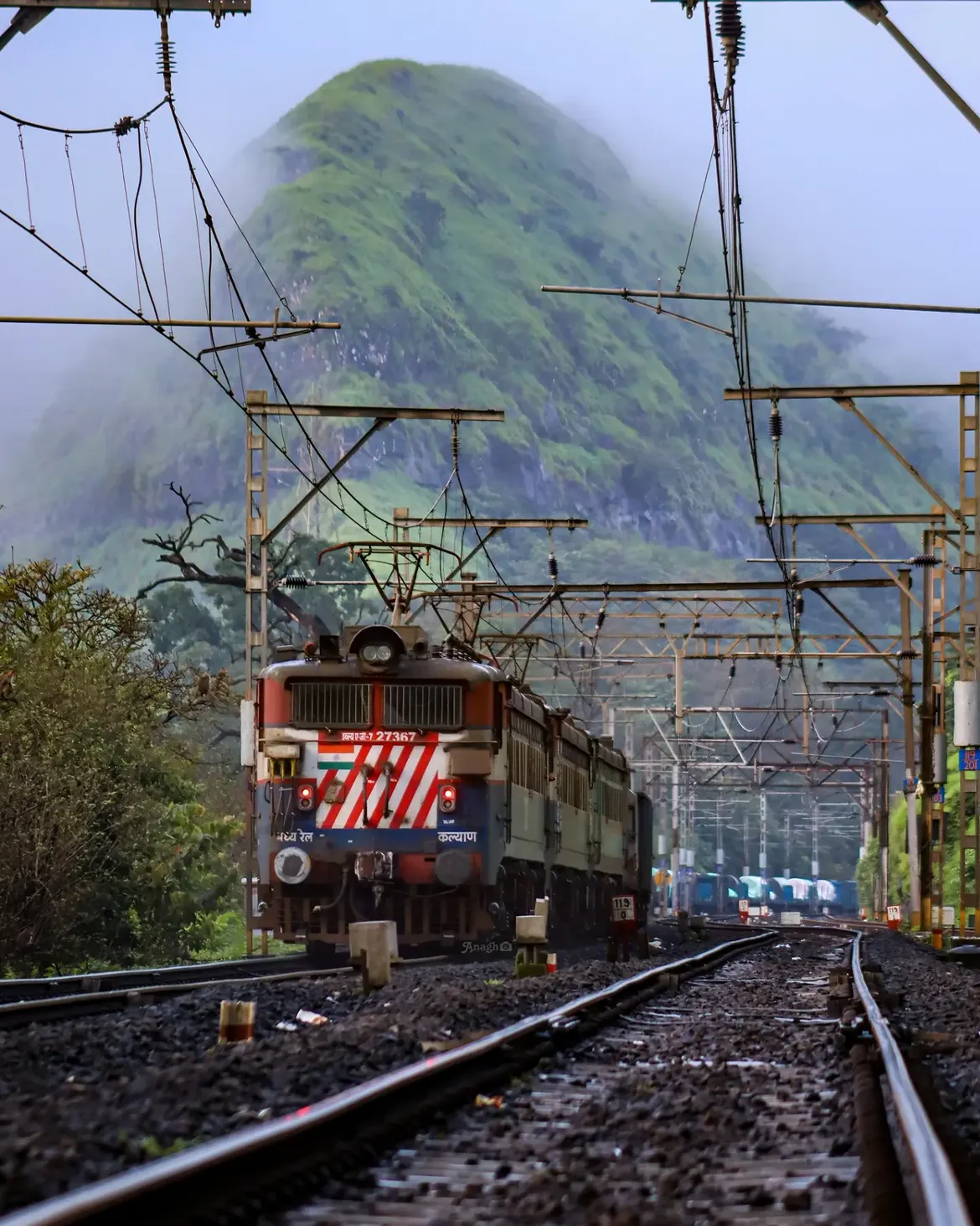
India’s railway network is one of the largest in the world, connecting bustling cities, remote villages, snow-covered mountains, lush forests, deserts, and stunning coastlines. While many people travel by train for convenience, some routes are destinations in themselves. These journeys offer breathtaking landscapes, engineering marvels, and unforgettable experiences that showcase India’s incredible diversity.Whether you’re an adventure seeker, a nature lover, or a photography enthusiast, these scenic train rides deserve a place on your travel bucket list.
1. Kalka–Shimla Railway (Himachal Pradesh)
Route: Kalka (Haryana) → Taksal → Gumman → Dharampur → Barog → Solan → Kandaghat → Taradevi → Summer Hill → Shimla (Himachal Pradesh
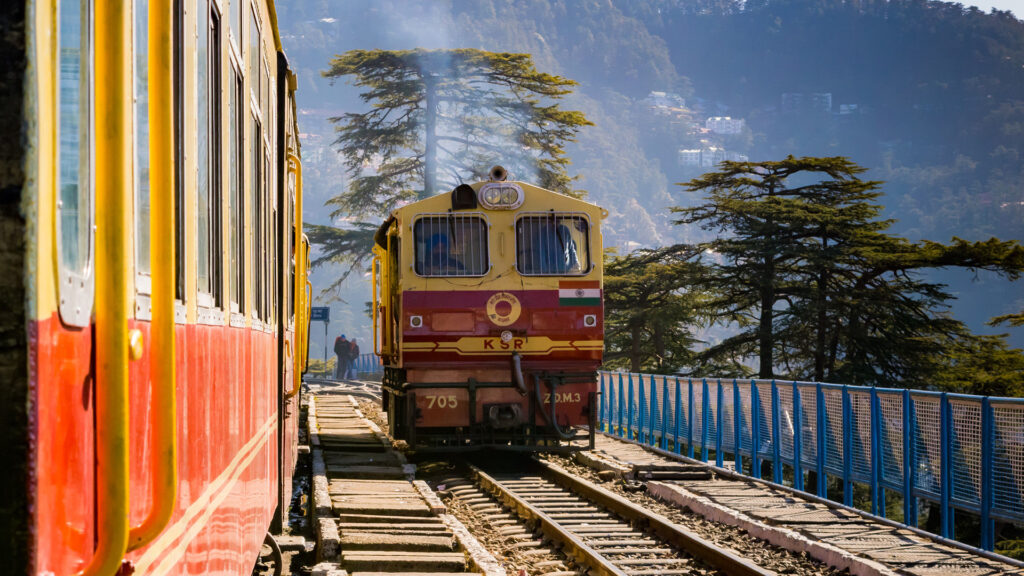
Recognised as a UNESCO World Heritage Site, the Kalka–Shimla Railway is one of India’s most iconic mountain railways. Stretching nearly 96 kilometres, the journey takes around five to six hours as the train slowly climbs from the plains of Haryana into the cool hills of Himachal Pradesh.
Built in 1903 during the British era, the railway was designed to connect Shimla, then the summer capital of British India.The route passes through 103 tunnels, more than 860 bridges, and around 900 sharp curves, offering breathtaking views at almost every turn. Passengers travel through thick pine, oak, and deodar forests, charming hillside villages, colourful flower valleys, and colonial-era railway stations that have retained their historic charm. During winter, snowfall transforms the landscape into a white wonderland, while spring and monsoon bring lush greenery and blooming wildflowers. The slow speed of the toy train allows travellers to fully enjoy the scenery, making it one of India’s most relaxing and photogenic rail journeys.The train itself is part of the experience. Its vintage coaches, large windows, and leisurely pace create a nostalgic atmosphere rarely found in modern transportation.
Many travellers consider this route less about reaching Shimla and more about enjoying every moment of the journey itself.
2. Darjeeling Himalayan Railway (West Bengal)
Route: New Jalpaiguri → Siliguri → Sukna → Tindharia → Kurseong → Sonada → Ghum → Darjeeling
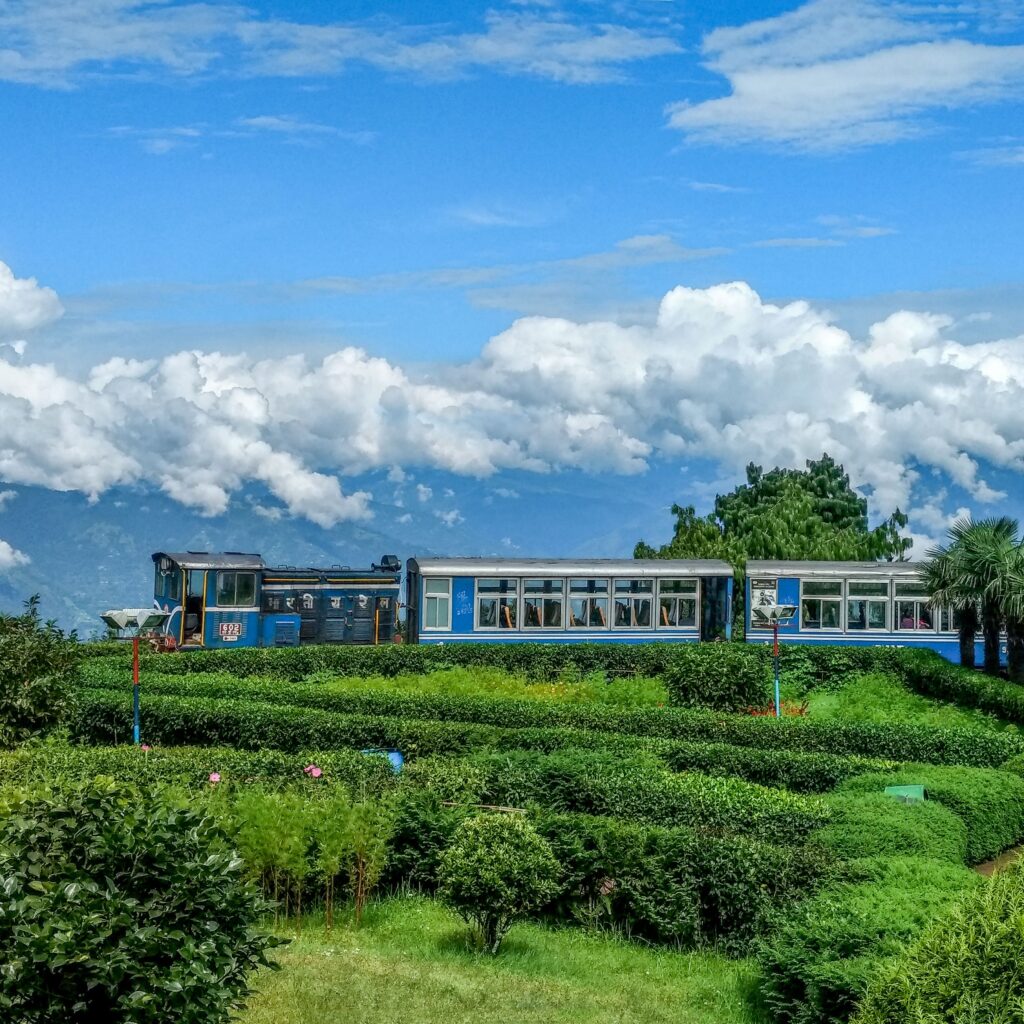
Popularly known as the “Toy Train,” the Darjeeling Himalayan Railway has been delighting travellers for more than a century. Beginning at New Jalpaiguri, the train gradually climbs over 2,000 metres above sea level, weaving through bustling markets, tea estates, forests, and mountain villages before reaching the famous hill station of Darjeeling.
One of the most fascinating aspects of the journey is how closely the railway runs alongside roads, houses, and local markets, allowing passengers to experience everyday life in the Himalayan foothills. The famous Batasia Loop, an engineering marvel, offers spectacular panoramic views of Darjeeling town and, on clear mornings, the majestic Kanchenjunga mountain range.Steam locomotives used on heritage services add a magical touch, filling the air with nostalgic whistles and clouds of steam.
The peaceful pace gives passengers plenty of time to admire endless tea gardens, colourful monasteries, and vibrant mountain culture, making this one of the world’s most celebrated railway experiences.
3. Nilgiri Mountain Railway (Tamil Nadu)
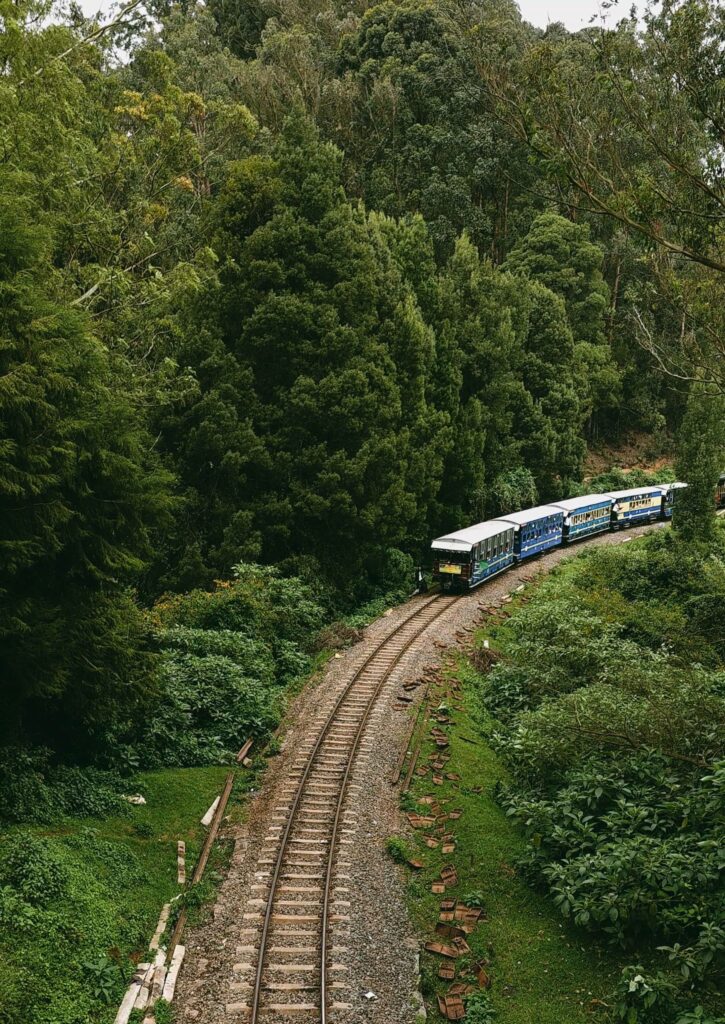
Route: Mettupalayam → Kallar → Hillgrove → Coonoor → Wellington → Lovedale → Udhagamandalam (Ooty)
The Konkan Railway is widely regarded as one of India’s greatest engineering achievements and among the country’s most scenic train routes. Covering approximately 741 kilometres, it connects Maharashtra, Goa, and Karnataka while passing through the breathtaking Western Ghats and India’s picturesque western coastline.
The railway crosses more than 2,000 bridges and travels through over 90 tunnels, including some of the longest railway tunnels in the country. Throughout the journey, passengers witness endless coconut plantations, emerald-green rice fields, sparkling rivers, dramatic cliffs, and occasional glimpses of the Arabian Sea.The monsoon season transforms the landscape into a spectacular natural paradise. Hundreds of seasonal waterfalls cascade down the mountains, mist blankets the valleys, and every hillside turns bright green. Large panoramic windows make the journey a dream for photographers and nature lovers.
Whether travelling during the day or at sunset, every stretch of the Konkan Railway offers unforgettable scenery that makes the journey as memorable as the destination.
4. Konkan Railway (Maharashtra–Goa–Karnataka)
Route: Mumbai → Ratnagiri → Sindhudurg → Madgaon (Goa) → Karwar → Udupi → Mangaluru
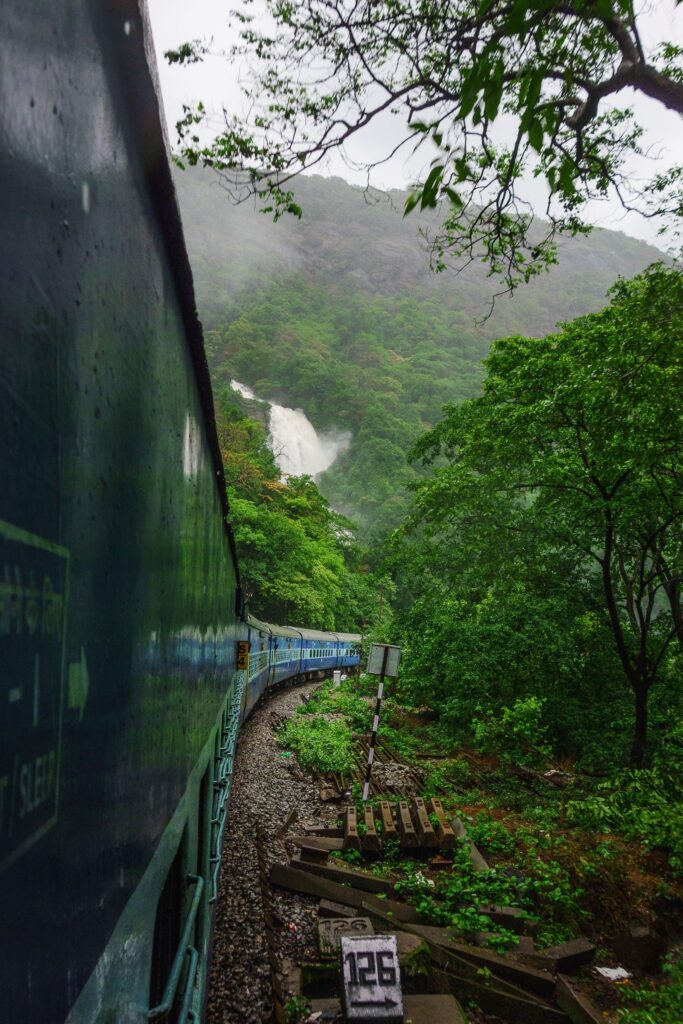
Stretching along India’s spectacular western coastline, the Konkan Railway is considered one of the country’s greatest engineering achievements. Covering over 700 kilometres, the railway crosses hundreds of bridges and tunnels while offering uninterrupted views of rivers, mountains, coconut groves, and the Arabian Sea.The route becomes particularly magical during the monsoon when countless waterfalls appear across the Western Ghats.
Mist-covered hills, overflowing rivers, and lush green landscapes transform the journey into one of India’s most photographed train experiences.
The vintage blue-and-cream coaches, combined with the rhythmic sound of the steam locomotive, create a nostalgic travel experience. Featured in several films, including Bollywood classics, the Nilgiri Mountain Railway remains one of India’s most picturesque train journeys.
5. Jammu Tawi–Srinagar–Baramulla Rail Link
Route: Jammu Tawi → Udhampur → Katra → Banihal → Srinagar → Sopore → Baramulla
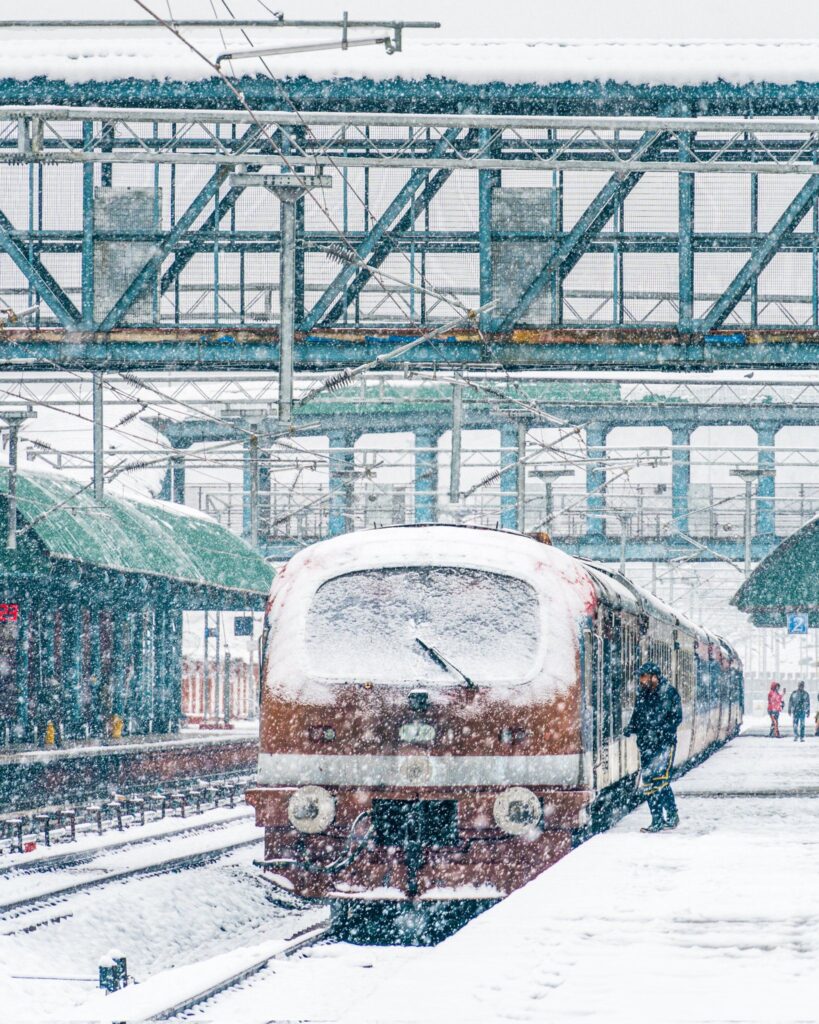
The Jammu Tawi–Srinagar–Baramulla Rail Link is among India’s most ambitious railway projects and offers one of the country’s most breathtaking journeys.
Beginning at Jammu Tawi and ending at Baramulla, the route passes through Udhampur, Katra, Banihal, Srinagar, and Sopore while showcasing the unmatched beauty of the Kashmir Valley.One of the journey’s biggest highlights is crossing the magnificent Chenab Rail Bridge, the world’s highest railway arch bridge. The train travels through long tunnels, deep valleys, snow-covered mountains, rivers, apple orchards, and lush green meadows. Every season transforms the scenery, with blooming flowers in spring, vibrant greenery in summer, colourful autumn landscapes, and snow-covered mountains during winter.
Passengers are treated to panoramic views that truly justify Kashmir’s nickname, “Paradise on Earth.” The railway is not only an engineering marvel but also an unforgettable travel experience for nature lovers.
6. Mandapam–Rameswaram (Pamban Bridge) (Tamil Nadu)
Route: Mandapam → Pamban Bridge → Rameswaram
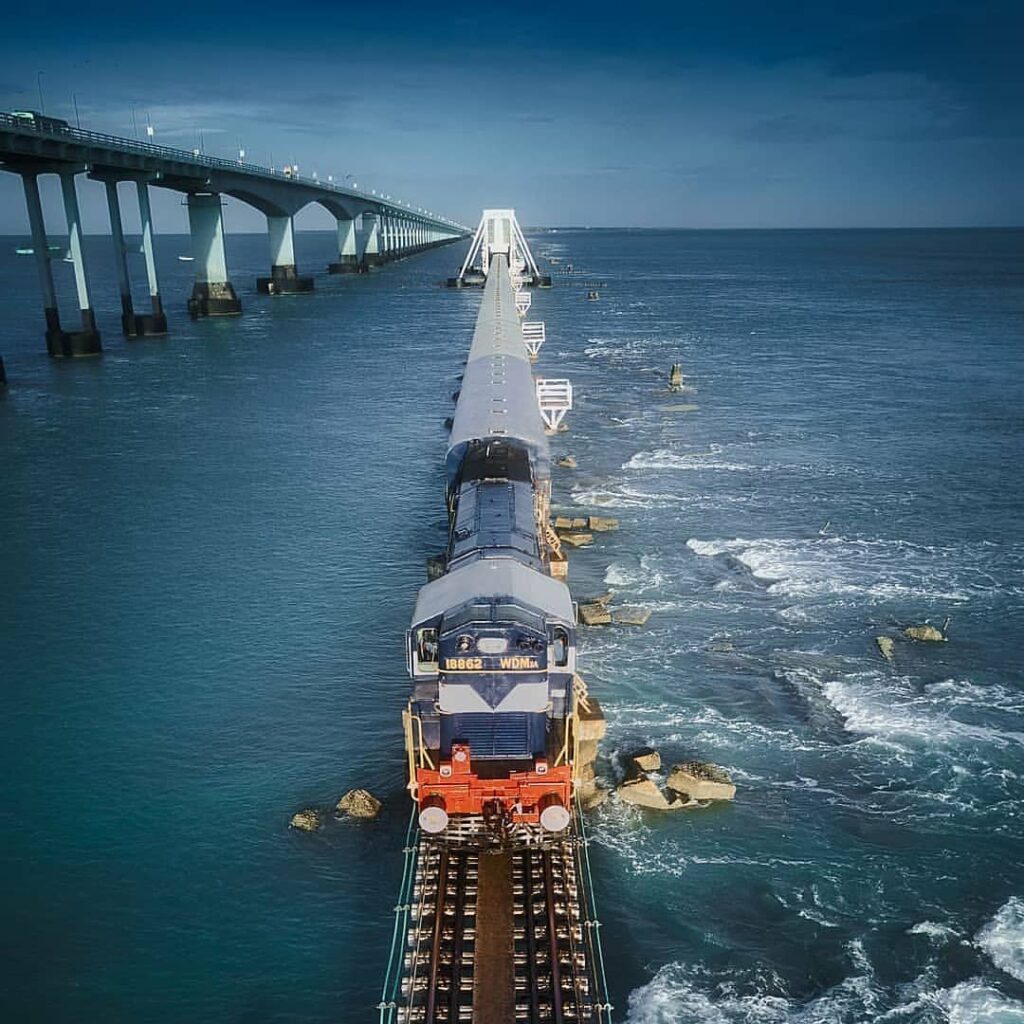
The train journey from Mandapam to Rameswaram is short in distance but unforgettable in experience. Covering about 17 kilometres, the route crosses the iconic Pamban Railway Bridge, India’s first sea bridge, connecting mainland India to Pamban Island.
As the train slowly moves across the bridge, passengers are surrounded by the crystal-clear waters of the Bay of Bengal and the Gulf of Mannar. Fishing boats, gentle sea waves, and endless blue horizons create the illusion that the train is floating on the ocean. The experience becomes even more magical during sunrise and sunset, when the sky reflects vibrant shades of orange, pink, and purple over the sea.
Rameswaram itself is one of India’s holiest pilgrimage destinations, making this journey a perfect combination of natural beauty, history, and spirituality.
7. Jaisalmer–Jodhpur Railway (Rajasthan)
Route: Jaisalmer → Pokaran → Phalodi → Osian → Jodhpur
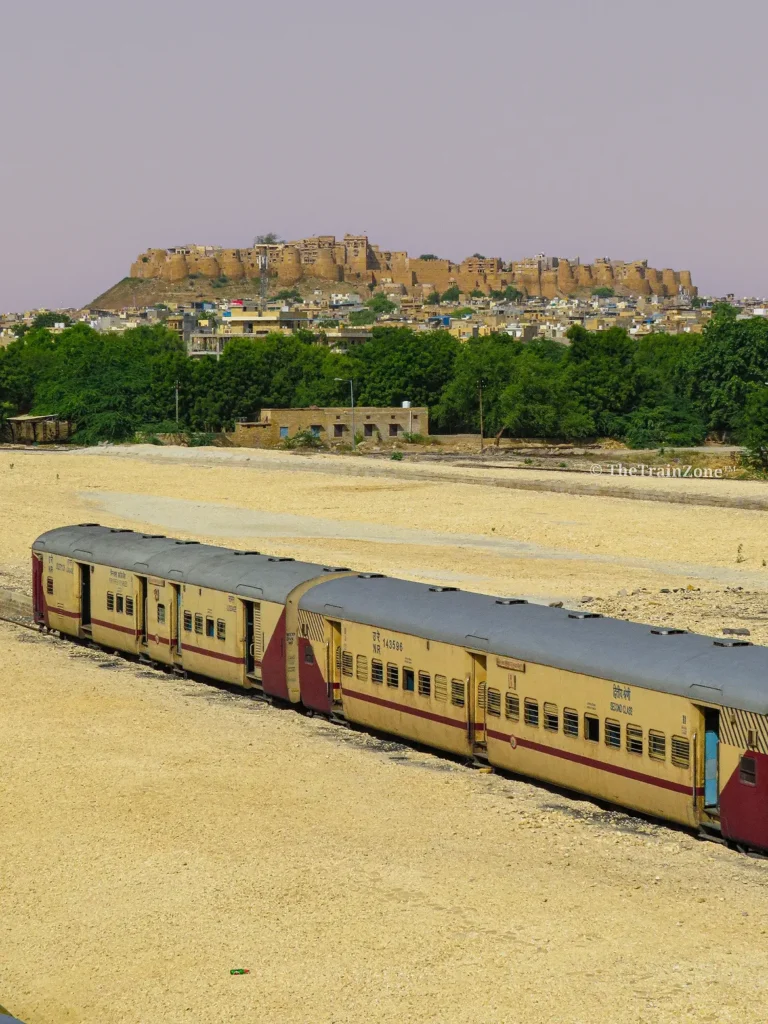
The railway journey between Jaisalmer and Jodhpur offers travellers an unforgettable glimpse into the heart of Rajasthan’s majestic Thar Desert.
Covering nearly 300 kilometres, the train passes through Pokaran, Phalodi, Osian, and numerous small desert settlements.Unlike mountain or coastal routes, this journey captivates passengers with vast golden sand dunes, camel caravans, traditional mud houses, colourful turbans, ancient temples, and magnificent desert forts. During sunrise and sunset, the desert landscape glows in shades of gold and amber, creating spectacular photographic opportunities.
Travellers can also witness Rajasthan’s rich culture through local markets, folk music, and traditional architecture visible from the train. The route perfectly showcases the state’s timeless beauty and heritage.
8. Vasco da Gama–Londa Railway (Goa–Karnataka)
Route: Vasco da Gama → Madgaon → Castle Rock → Dudhsagar → Londa Junction
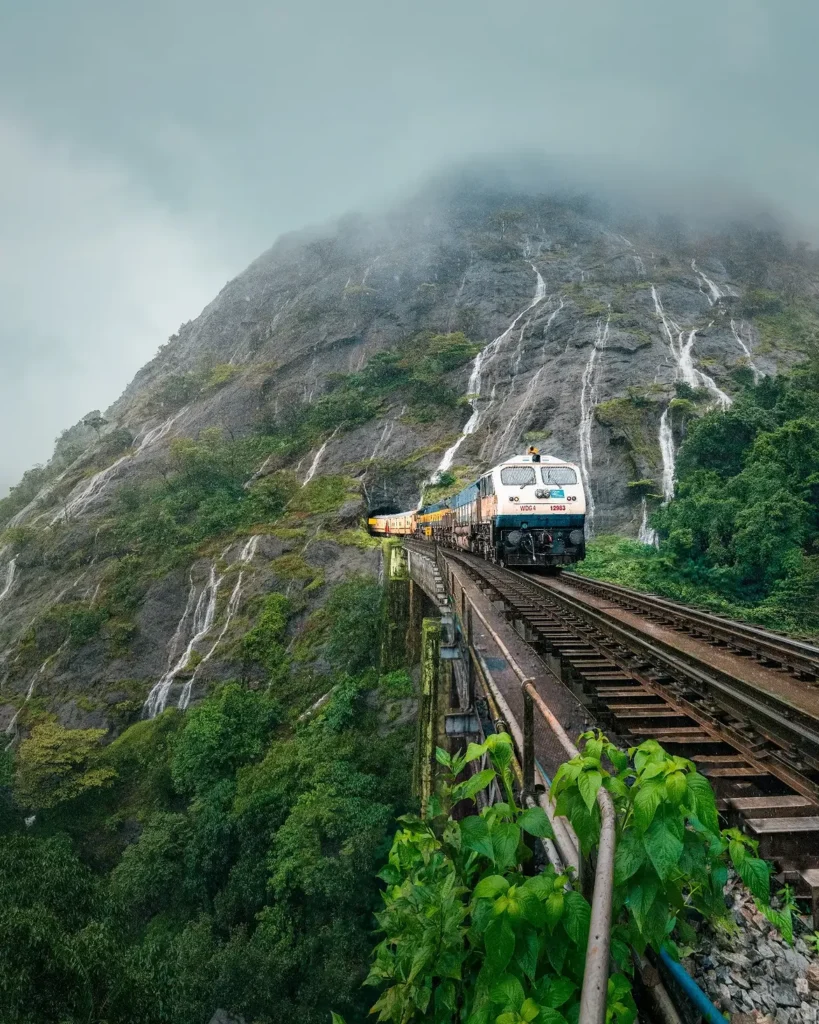
Running from Vasco da Gama in Goa to Londa Junction in Karnataka, this scenic railway journey takes passengers deep into the lush forests of the Western Ghats.
The route is especially famous for passing the spectacular Dudhsagar Waterfalls, one of India’s tallest and most beautiful waterfalls.The train travels through dense forests, steep mountain slopes, deep valleys, winding rivers, and numerous tunnels. During the monsoon season, waterfalls appear throughout the region, while thick clouds and mist create an almost dreamlike atmosphere.
Nature enthusiasts often consider this one of India’s finest railway journeys because of its untouched wilderness and incredible biodiversity. Passengers frequently spot monkeys, colourful birds, and dense tropical vegetation throughout the trip.
9. Matheran Hill Railway (Maharashtra)
Route: Neral → Jummapatti → Aman Lodge → Matheran
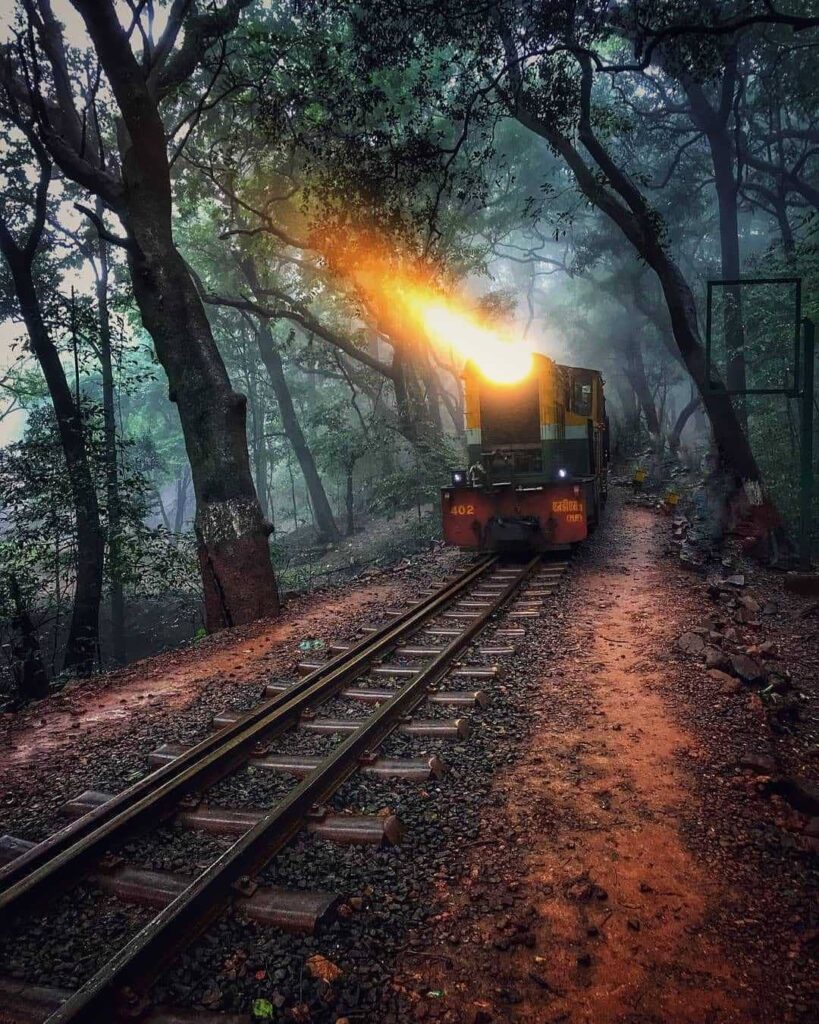
The charming Matheran Hill Railway begins at Neral and climbs approximately 20 kilometres to the peaceful hill station of Matheran, one of India’s few automobile-free destinations. Built in the early 20th century, this narrow-gauge railway continues to attract visitors seeking a nostalgic mountain journey.
The toy train slowly winds through forests, rocky cliffs, deep valleys, and scenic viewpoints while offering breathtaking panoramas of the Western Ghats. Since motor vehicles are not allowed in Matheran, arriving by train enhances the peaceful atmosphere and preserves the town’s natural beauty.
The leisurely pace allows travellers to appreciate fresh mountain air, abundant greenery, and spectacular viewpoints, making it an ideal weekend escape from nearby Mumbai and Pune.
10. Mumbai–Goa Railway (Konkan Coast)
Route: Mumbai → Panvel → Ratnagiri → Kankavali → Madgaon (Goa)
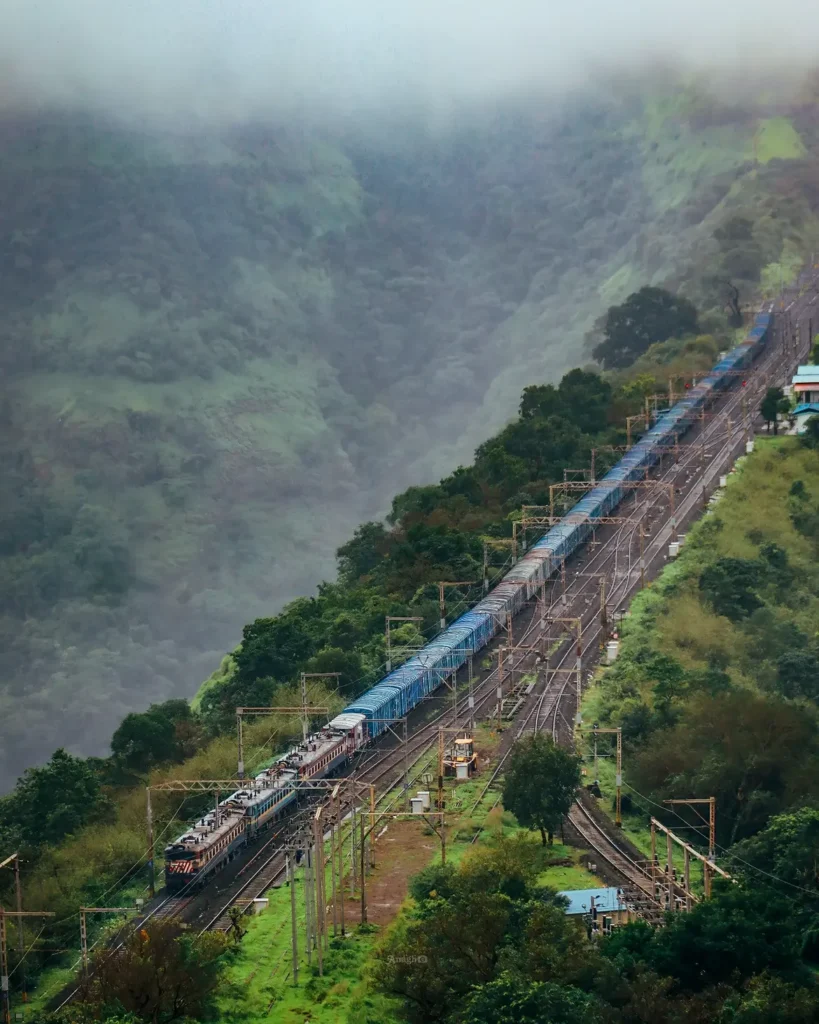
The Mumbai–Goa railway journey is among India’s most popular scenic train rides, connecting the bustling metropolis of Mumbai with the tropical beaches of Goa. Depending on the service, the journey covers approximately 590 kilometres and takes between eight and eleven hours.
Travelling along the famous Konkan Railway, passengers pass through lush green hills, coconut groves, winding rivers, charming villages, rice fields, tunnels, and spectacular coastal landscapes. During the monsoon, hundreds of waterfalls cascade down the surrounding mountains, turning the journey into one of the most beautiful rail experiences in Asia.
Whether travelling on premium trains like the Tejas Express or other Konkan services, passengers enjoy constantly changing scenery that perfectly captures the natural beauty of India’s western coastline. For many tourists, the train journey becomes just as memorable as their holiday in Goa itself.

Umar Khan is a writer driven by curiosity and a passion for understanding the world. Through thoughtful analysis and evocative storytelling, he seeks to make complex ideas accessible, inspire meaningful conversations, and encourage fresh perspectives on the people, places, and issues that shape our shared future.