In a remarkable economic turnabout, the cross-border trade of the prized Hilsa fish has completely reversed direction. For decades, Indian food connoisseurs depended heavily on seasonal imports arriving from river deltas in Bangladesh. However, recent commercial customs data reveals that India has now transformed into an active exporter of Hilsa. Consignments of the silver fish are crossing eastward into Bangladeshi wholesale markets, according to The Indian Express.
The historic shift surprises fish traders, hospitality operators, and culinary historians across South Asia. Traditional trade corridors historically treated Bangladesh as the undisputed culinary capital of Padma river Hilsa. Indian fish merchants regularly lobbied authorities in Dhaka to secure festive import allowances ahead of autumn celebrations. Consequently, seeing Indian commercial suppliers satisfy consumer demand in Bangladesh marks an unprecedented commercial milestone.
Decades of Cross-Border Trade Turned on Its Head
Culinary tradition in eastern India has celebrated Bangladeshi Hilsa as the pinnacle of seasonal gastronomy for generations. Bengali households eagerly anticipate the monsoon migration of the fish into freshwater estuaries every year. However, bureaucratic hurdles and export embargoes created perennial supply bottlenecks for Indian distributors. Therefore, wholesale seafood markets in Kolkata frequently suffered severe shortages despite high consumer purchasing power.
The recent reversal highlights how regional supply chains adapt swiftly to changing maritime catches. Indian exporters have shipped hundreds of metric tonnes of Hilsa across land customs stations into Bangladesh. Trade data confirms that cross-border shipments exceeded five hundred tonnes over recent months, as detailed by South Asian Herald. Furthermore, Bangladeshi seafood wholesalers welcome these incoming shipments to stabilize fluctuating domestic prices.
Why Traditional Bangladesh Imports Dried Up
The government of Bangladesh imposed strict restrictions on outbound Hilsa shipments starting in July 2012. Authorities implemented these protective measures to conserve wild breeding populations and curb soaring domestic food inflation. In 2019, Dhaka softened its stance slightly by granting limited export windows during Durga Puja festivities. However, administrative delays and brief delivery deadlines consistently reduced actual trade flows.
Indian importers struggled to utilize allocated quotas because clearance procedures took several weeks. For instance, authorities permitted thousands of tonnes in seasonal quotas, yet actual deliveries reached barely twenty percent. Fish Importers Association secretary Syed Anwar Maqsood confirmed that brief windows made reliable logistics nearly impossible. Consequently, Indian traders diversified their procurement sources across broader coastal landing networks.
Rising Domestic Landings Fuel Indian Outflows
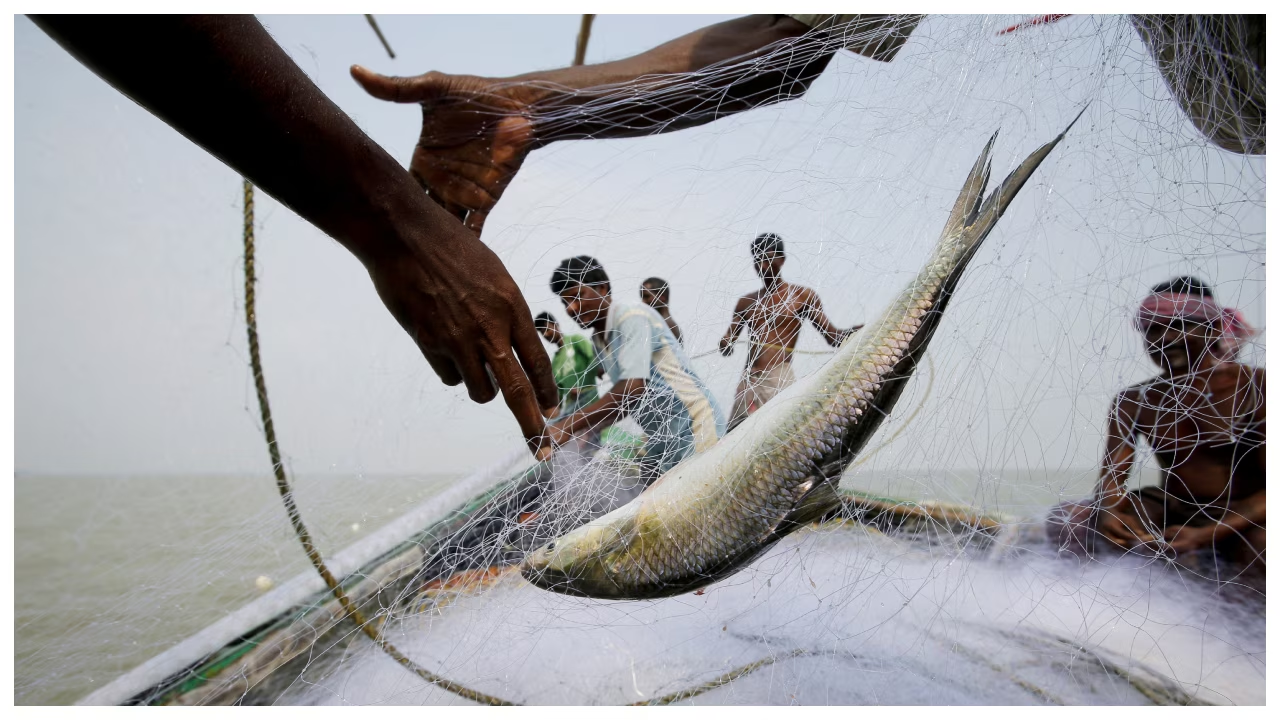
Indian marine fisheries have experienced unusually strong Hilsa yields across multiple maritime states in recent seasons. Fishing harbors along Gujarat, Maharashtra, Odisha, and West Bengal reported substantial deep-sea hauls. Furthermore, enhanced deep-water trawlers allowed Indian crews to intercept migrating schools well before they entered shallow river mouths. Therefore, domestic storage depots accumulated surplus stocks suitable for international commercial processing.
Modern cold-chain refrigeration facilities enabled coastal traders to preserve fresh catches with superior quality standards. Specialized packaging units in coastal Bengal pack fresh fish in sub-zero thermal containers for overland transport. Meanwhile, improved road connectivity to eastern international borders shortened delivery timelines drastically. These technological and infrastructural investments positioned Indian fisheries to supply regional neighbors profitably.
Price Dynamics and Market Pressures Across the Border
Economic dynamics inside Bangladesh have driven strong domestic retail demand for imported seafood products. Local river catches across the Meghna and Padma rivers fluctuated due to erratic monsoon precipitation patterns. Consequently, retail prices in Dhaka and Chittagong surged beyond the reach of middle-class urban consumers. Indian exporters recognized this market opportunity and offered competitive wholesale rates to neighboring distributors.
Bangladeshi merchants purchased Indian consignments to maintain steady supplies inside local wet markets. The imported Indian fish helped ease retail price spikes ahead of major regional cultural gatherings. Furthermore, the cross-border exchange generated vital foreign exchange earnings for Indian fishing cooperatives. Therefore, commercial pragmatism overcame decades of established political and gastronomic conventions.
Durga Puja Demand and the Future of the Hilsa Corridor
The unexpected trade flow creates a fascinating backdrop for upcoming autumn festive preparations across eastern India. While West Bengal markets enjoy steady domestic supplies, traders remain watchful of festive price trends. In addition, seafood associations continue advocating for permanent bilateral trade agreements with streamlined border checks. Stable trade corridors benefit fishing communities, commercial traders, and seafood consumers on both sides.
The evolving Hilsa corridor demonstrates how ecological variations and trade economics reshape cultural consumption patterns. India’s transition into an active fish exporter underscores the growing strength of its domestic marine infrastructure. Meanwhile, food lovers in both nations celebrate the continuous availability of their most beloved delicacy. Cross-border trade continues to connect shared culinary heritages through evolving market solutions.

Curated news reports, in-depth analysis, and special features by India’s Opinion editorial team.