
A Medical Innovation That Could Change Millions of Lives
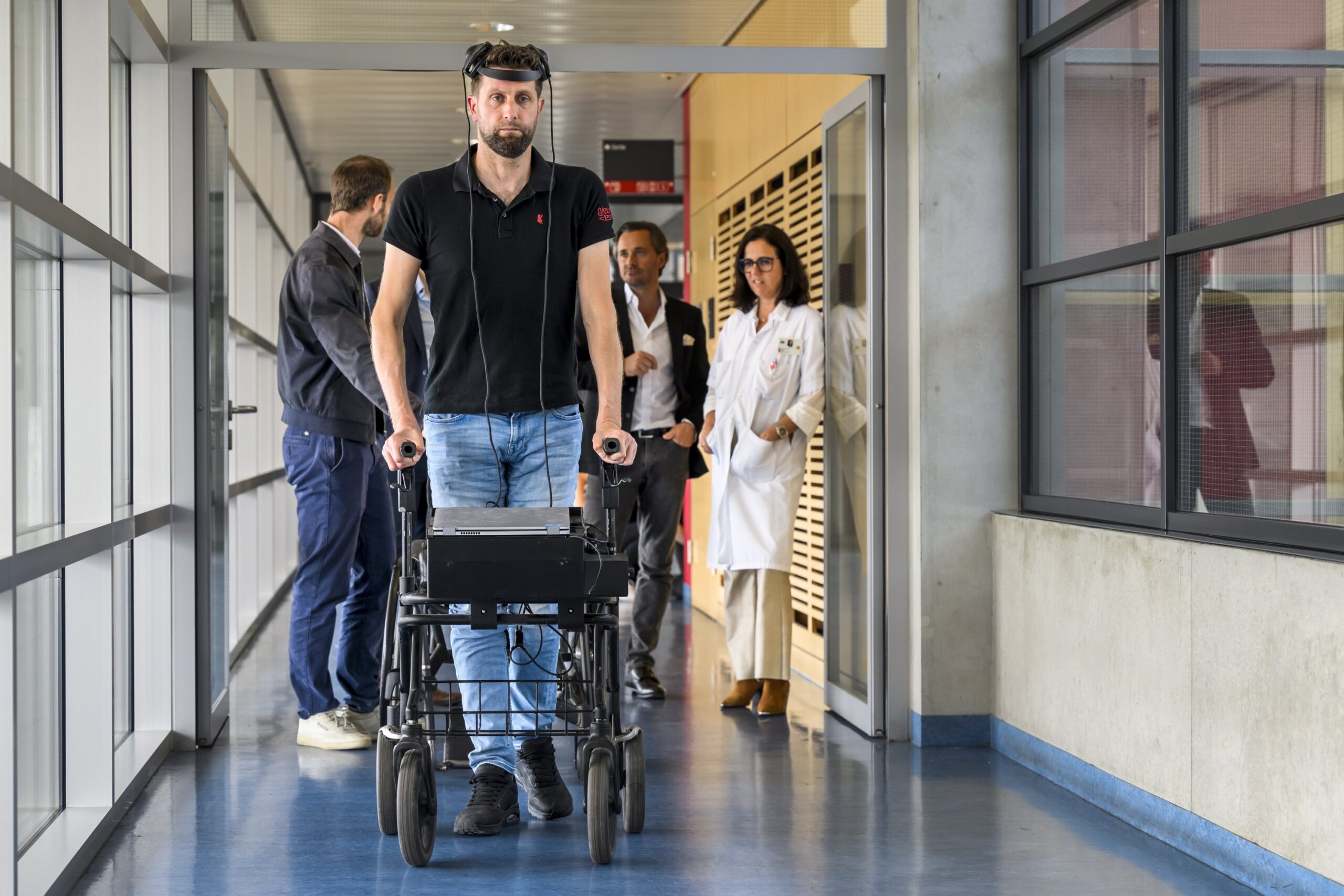
A revolutionary brain-to-spine interface is offering fresh hope to people living with paralysis. Meanwhile, researchers continue to achieve remarkable progress in restoring movement after severe spinal cord injuries. The experimental technology combines brain implants, spinal cord stimulation, and artificial intelligence. It has enabled patients with paralysis to regain the ability to stand and walk with assistance. Moreover, they can perform everyday movements that were previously considered impossible.
The breakthrough represents one of the most significant advances in neurotechnology in recent years. Rather than repairing damaged nerves directly, the system creates an alternative communication pathway. This allows signals from the brain to reach muscles below the spinal injury. Consequently, scientists believe this approach could reshape the future of rehabilitation. It may benefit millions of people affected by spinal cord damage worldwide.
How the Brain-to-Spine Interface Works
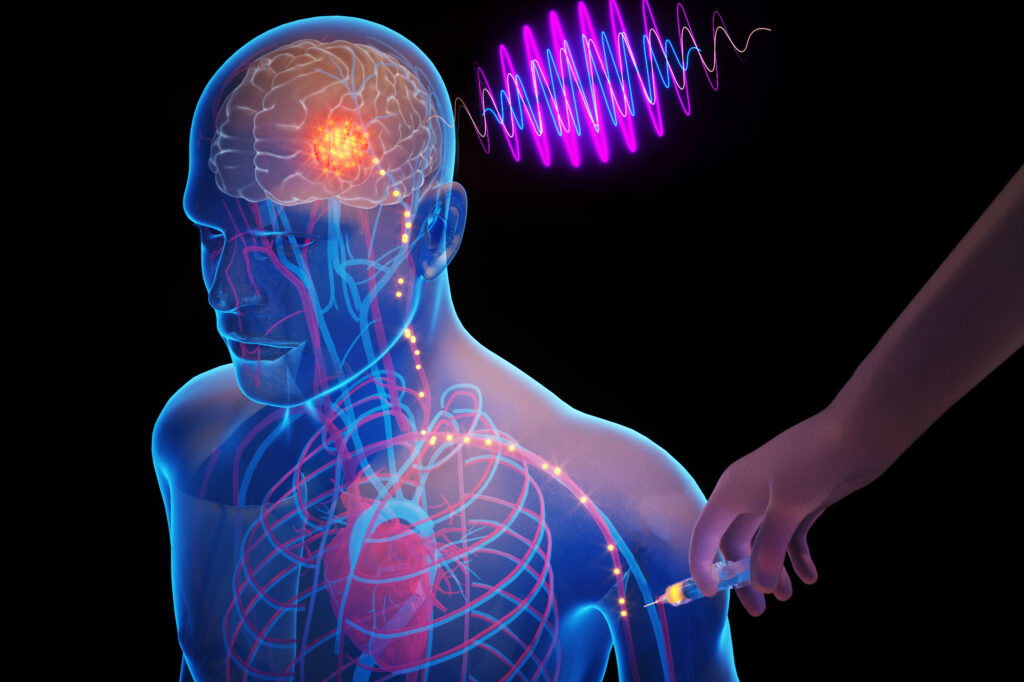
The innovative system relies on tiny electrodes implanted in specific areas of the brain responsible for movement. Whenever a patient thinks about moving a leg or taking a step, the brain generates electrical signals. In addition, advanced artificial intelligence software instantly decodes these signals. It then wirelessly transmits them to another implanted device positioned along the spinal cord.
The spinal implant then delivers carefully timed electrical stimulation to the nerves controlling the leg muscles. This process effectively bypasses the damaged section of the spinal cord. As a result, the brain can communicate with the lower body once again.
The entire sequence takes place in fractions of a second, creating movement that closely matches the patient’s intention. Researchers say years of engineering, neuroscience, and AI development have made this real-time communication possible. Thus, they believe it opens new possibilities for restoring mobility after devastating injuries.
Encouraging Results from Early Clinical Trials
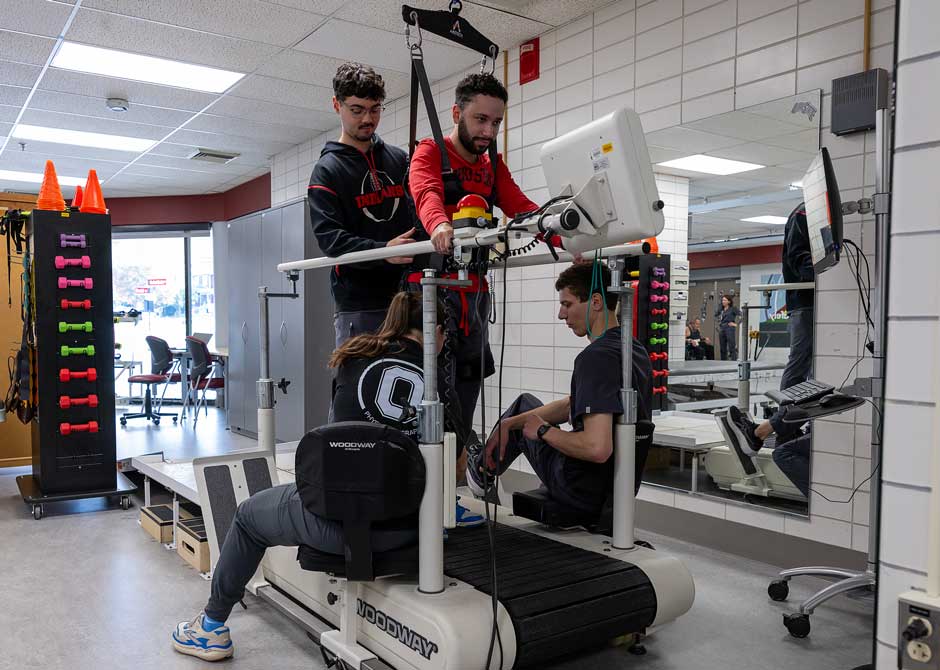
Initial clinical studies have produced encouraging outcomes. Participants who had previously lost the ability to walk due to spinal cord injuries have shown measurable improvements. This occurred after undergoing rehabilitation using the new technology.

Some patients have regained the ability to stand independently for short periods, while others have successfully walked using assistive devices. Researchers emphasise that the treatment remains experimental and is currently available only through carefully monitored clinical trials. However, the consistency of the early results has generated optimism among doctors, rehabilitation specialists, and neuroscientists around the world.
Medical experts believe these findings demonstrate that the brain can once again establish functional communication with the body. This may be possible even years after a spinal cord injury.
Why This Breakthrough Matters
According to global health estimates, more than 15 million people worldwide live with spinal cord injuries. Many of these individuals experience permanent paralysis that dramatically affects their quality of life. Current treatments mainly focus on physical rehabilitation, pain management, and preventing further complications. However, there are limited options for restoring lost movement.
The brain-to-spine interface represents a completely different approach. Instead of attempting to repair damaged nerve tissue, it creates an entirely new pathway for movement. As a result, patients may recover functions that were previously thought to be permanently lost.
If future studies continue to confirm its effectiveness, this technology could transform rehabilitation medicine. It may provide renewed independence for thousands of patients each year.
Challenges Before Widespread Use
Despite the excitement surrounding the breakthrough, experts caution that several challenges remain before the technology becomes widely available.
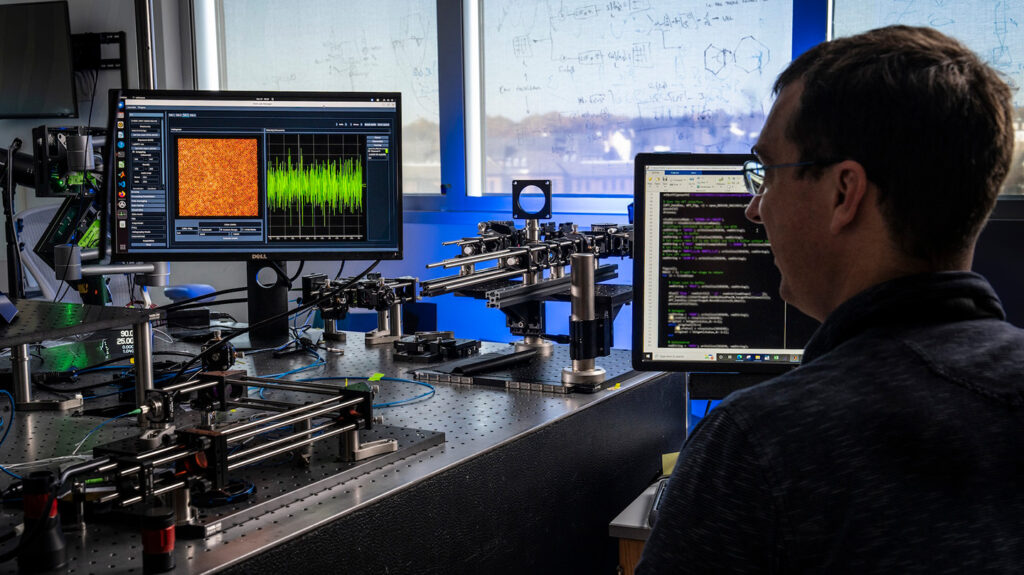
Larger clinical trials involving more patients are needed to confirm long-term safety, effectiveness, and durability. The procedure currently requires complex surgery, specialised rehabilitation programmes, and advanced medical equipment. Because of this, it is expensive and available only at selected research centres. Scientists are working to make the implants smaller, safer, and more affordable. Additionally, they aim to improve the AI system’s accuracy and reduce recovery time.
Healthcare professionals also stress the importance of ensuring equal access to such advanced treatments if they eventually receive regulatory approval.
The Future of Neurotechnology
Researchers believe this breakthrough is only the beginning of a new era in neurotechnology. Future generations of brain-computer interfaces could potentially help people affected by stroke, neurodegenerative disorders, and other conditions that impair movement.
As artificial intelligence continues to improve and medical devices become more sophisticated, scientists hope these systems will eventually move beyond experimental laboratories into routine clinical care. Although more research is needed, the latest findings provide renewed optimism. It appears that paralysis may no longer be considered an irreversible condition for many patients.
Conclusion
The development of the brain-to-spine interface marks a major milestone in modern medicine. By reconnecting the brain and body through advanced neurotechnology, researchers have demonstrated that restoring movement after paralysis is becoming an increasingly realistic goal. While the treatment remains in its early stages, its success has inspired hope among patients, doctors, and scientists alike. As a result, it signals a future where spinal cord injuries may no longer mean a lifetime without mobility.

Curated news reports, in-depth analysis, and special features by India’s Opinion editorial team.