Revised Graham-Blumenthal Russia sanctions bill eases tariff threats on countries buying Russian energy, cutting the proposed rate from 500 per cent to 100 per cent for top buyers like India and China. The bill, introduced after the death of Senator Lindsey Graham, still targets Russian officials, banks, and energy projects, while adding an exemption for countries like Japan and France that are cutting Russian gas imports. It also lets Trump waive sanctions if deemed in the US national interest. The bill has 26 co-sponsors and strong backing, with Trump expressing optimism it will pass, though Senator Blumenthal cautioned against expanding its scope to include Iran and Hezbollah.
A Softer Version Emerges
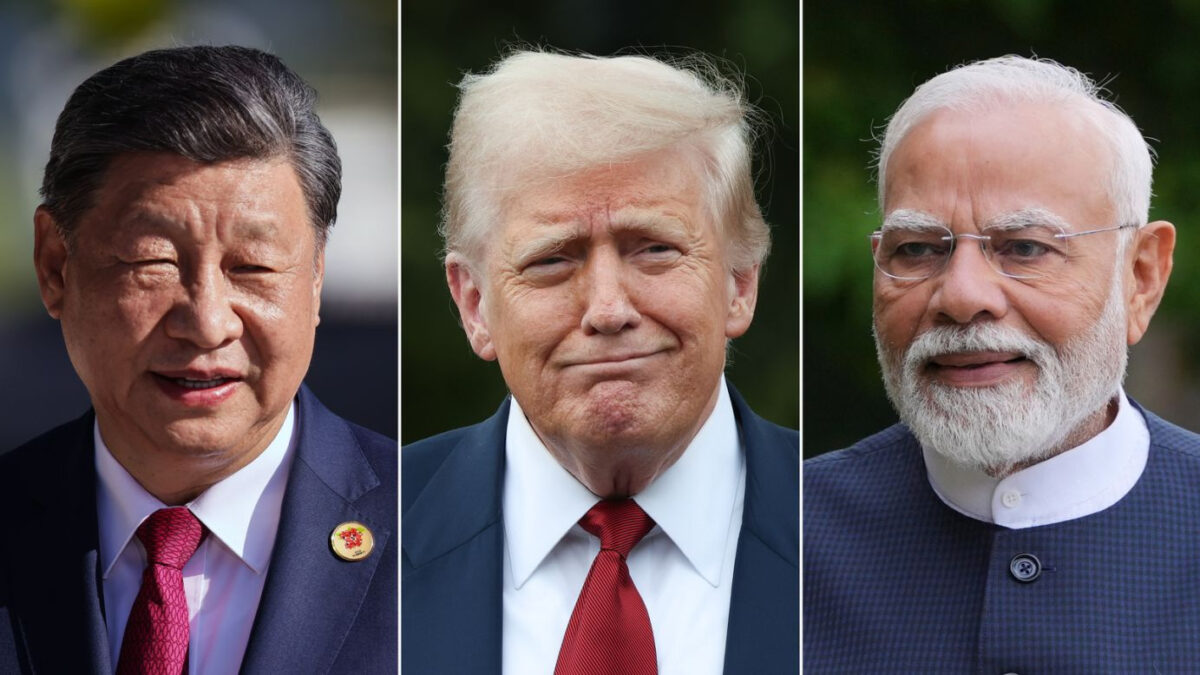
US lawmakers have revised the Russia sanctions bill. The bill was first introduced by late Republican Senator Lindsey Graham and Democratic Senator Richard Blumenthal. The new version eases the original proposal. It no longer calls for a blanket 500 per cent tariff on countries buying Russian energy. That group includes India and China. Under the revised bill, President Donald Trump would get authority to impose tariffs up to 100 per cent instead.
What The Bill Aims To Do
The bill targets Russian officials with sanctions. It also uses tariffs as leverage. The goal is to push China and India to cut their reliance on Russian energy. Lawmakers believe this pressure could help end Russia’s four-year war in Ukraine. That war has killed close to 2 million military personnel. It has caused close to $200 billion in damage to Kyiv.
Who Buys The Most Russian Energy
China, India, Slovakia, Hungary and Azerbaijan are the top five buyers of Russian crude oil. China, France, Japan, Hungary and Belgium top the list for Russian natural gas imports. New tariffs could strain US trade ties with both China and India, which are already fragile.
Key Changes In The New Bill
The revised bill caps tariffs at 100 per cent for the top five buyers of Russian oil and gas. That is a sharp cut from the earlier 500 per cent threat. The new version also adds an exemption. Countries that import less than 15 per cent of Russia’s natural gas exports, and are actively cutting that dependence, could be spared. This exemption could apply to Japan, France, Hungary and Belgium.
The bill also targets Russia’s shadow fleet of oil tankers. These vessels operate outside Western maritime services. Sanctions would also hit Russian financial institutions, including its central bank. Major state-owned energy projects, such as Yamal LNG and Arctic LNG 1, 2 and 3, are named as well. A new provision lets Trump waive any sanctions if he judges it to be in the US national interest.
Graham’s Final Push
Senator Graham died last week. Just a day before his death, during a trip to Ukraine, he had announced a deal with Trump to move the bill forward. That came more than a year after the bill was first introduced. Senate aides say the bill already has 26 co-sponsors. They expect more support soon. One aide called the bill’s chances of passing strong.
Why The Bill Was Softened
A Senate aide told Reuters that several provisions were softened after months of negotiation with the Trump administration. The aide said this version is the only one with broad enough support to actually move forward.
Could The Bill Become Law
Trump told reporters that sanctions on Iran and Hezbollah could be added to the bill. He called such an addition a big step. He also said he expects the bill to pass. Trump linked the bill to Graham’s memory, saying it was something Graham wanted deeply.
Blumenthal urged caution on expanding the bill’s scope. He said Trump has already approved the current version, and he prefers moving ahead with it rather than adding new targets.
A second Senate aide told Reuters that the bill already exposes countries working with Russia’s defence industry, including Iran, to sanctions and tariffs.

Curated news reports, in-depth analysis, and special features by India’s Opinion editorial team.