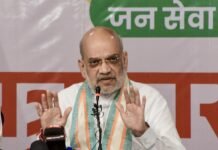

Leader of the Opposition Rahul Gandhi has launched a scathing attack on the Election Commission of India. The senior Congress leader accused the constitutional watchdog of colluding with the ruling Bharatiya Janata Party. Furthermore, he alleged that central authorities are systematically engineering splits within regional opposition parties. Gandhi issued his fiery condemnation following the controversial freezing of the Trinamool Congress symbol, according to The Indian Express.
The poll panel’s interim decision prevents rival party factions from using the historic twin-flower symbol. However, Gandhi asserted that the ruling represents a coordinated assault on regional democratic mandates. He emphasized that autonomous regulatory bodies must protect constitutional neutrality rather than serving partisan interests. Consequently, the escalating political controversy has triggered widespread nationwide debates regarding electoral fairness.
The Poll Body’s Interim Freeze on Trinamool’s Identity
The Election Commission issued its contentious interim directive ahead of crucial West Bengal assembly bypolls. Conflicting petitions from competing political factions prompted the commission to freeze the party name and insignia. Furthermore, the electoral watchdog instructed both rival groups to choose alternative temporary symbols from free lists. The unexpected administrative measure strips the incumbent state party of its iconic grass-and-flowers identity, reports The Times of India.
Trinamool leaders reacted with furious outrage, labeling the freezing order unconstitutional and premeditated. Party spokespersons asserted that grassroots voters strongly identify with Mamata Banerjee’s leadership and legacy. In addition, party legal counsels prepared emergency petitions challenging the decision before the Supreme Court. Therefore, legal and political confrontations are intensifying across Bengal’s electoral battlefield.
Vote Theft to Party Theft: Rahul Gandhi’s Broadside
Rahul Gandhi utilized sharp rhetoric to denounce what he termed institutionalized political subversion. Taking to social media, Gandhi coined the stinging slogan accusing authorities of compounding electoral malpractice. Specifically, he declared that the regime moved from stealing votes to stealing entire political parties. The senior parliamentarian warned that state institutions are dismantling multiparty democracy through manufactured internal mutinies, notes ANI News.
Gandhi affirmed unconditional solidarity with West Bengal Chief Minister Mamata Banerjee during the crisis. He argued that the ruling establishment deploys federal investigative agencies to intimidate regional opposition leaders. Furthermore, the opposition leader stated that suppressing established political parties undermines public trust in democratic ballots. Consequently, the Congress party pledged active support to defend regional autonomy against central overreach.
Echoes of the Maharashtra Splits and Institutional Crisis
Opposition strategists drew direct comparisons between Bengal’s developments and previous political crises in Maharashtra. In earlier years, the Election Commission recognized rebel breakaway groups in both Shiv Sena and NCP disputes. Furthermore, regulatory rulings awarded original party names and recognized symbols to ruling coalition allies. Opposition leaders claim that federal authorities are replicating this familiar playbook across other non-BJP states.
Political analysts observe that symbol disputes create acute confusion among ordinary rural voters during polling. Depriving regional parties of recognizable election emblems directly disadvantages candidates during short campaign periods. In addition, administrative disputes distract political leadership from addressing core socioeconomic grievances during elections. Therefore, civil society groups emphasize the imperative need for judicial oversight regarding party symbol adjudications.
Opposition Solidarity and the Upcoming Bypolls Battle
The symbol freeze has galvanized broader political cohesion across the national opposition alliance. Several chief ministers and regional party chiefs released public statements condemning the electoral watchdog’s order. Furthermore, allied leaders resolved to present a united front against perceived institutional hostility. The unfolding controversy indicates that upcoming bypolls will serve as a referendum on federal integrity.
Mamata Banerjee vowed to take the political fight directly to the people across Bengal’s districts. She asserted that voters recognize authentic leadership regardless of temporary administrative symbol suspensions. Meanwhile, grassroots volunteers are mobilizing mass outreach campaigns to inform constituents about alternate voting symbols. The high-stakes standoff will determine whether institutional maneuvers can diminish established regional political dominance.

Curated news reports, in-depth analysis, and special features by India’s Opinion editorial team.