
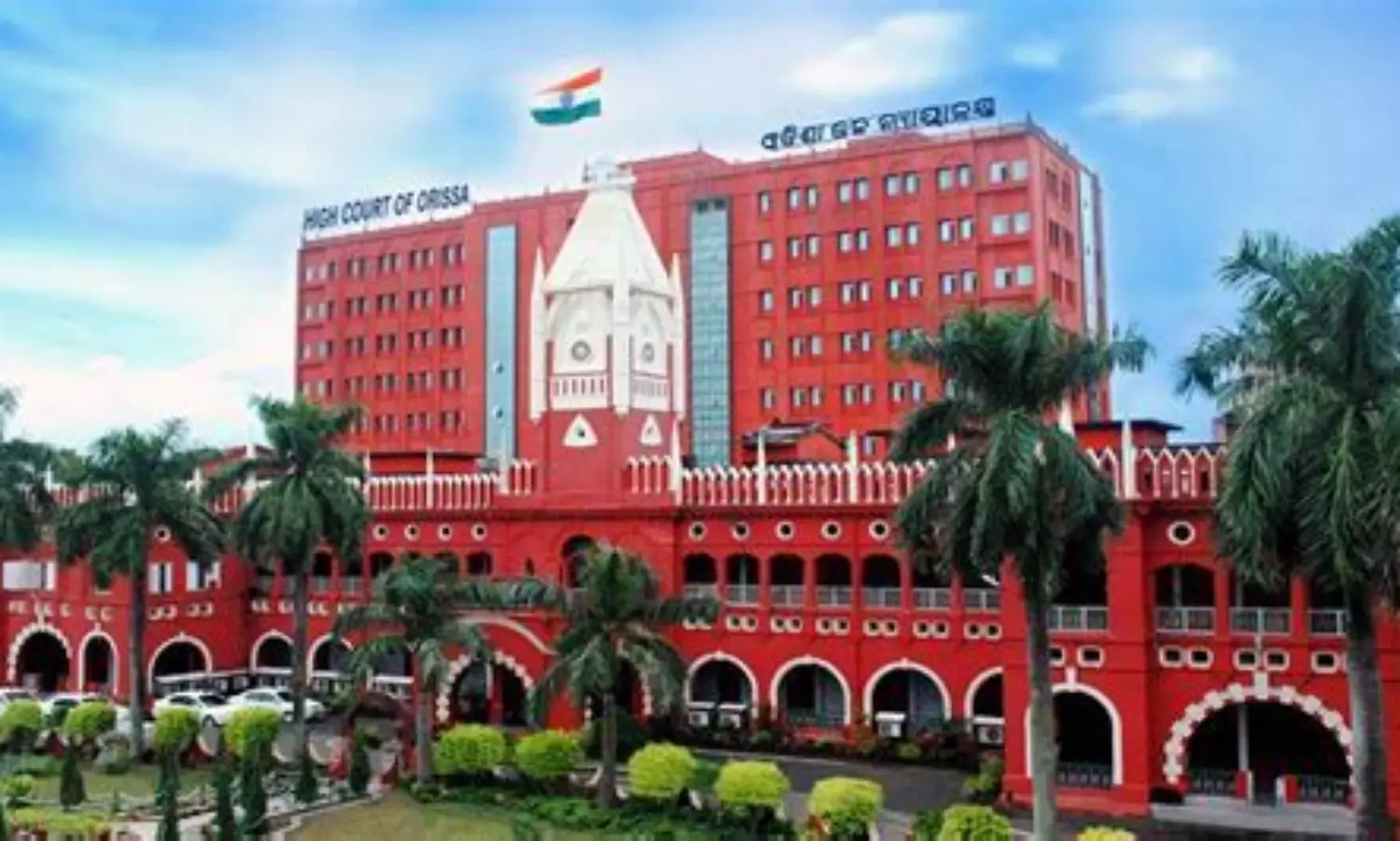
The Orissa High Court has ordered the immediate reinstatement of a female judicial officer. The officer had previously resigned due to acute emotional distress while seeking medical care for her child. Specifically, her young son requires continuous medical therapies for severe Autism Spectrum Disorder. The High Court set aside the state government’s order that accepted her resignation, according to The Indian Express.
A Division Bench ruled that the officer withdrew her resignation well before authorities formally approved it. Consequently, the bench declared that no legally valid resignation existed for the government to process. Furthermore, the judges observed that her desperate decision was not voluntary under prevailing domestic hardships. The court held that administrative authorities acted unfairly by terminating her career without considering subsequent developments.
A Mother’s Anguish and Compelled Resignation
Judicial officer Ipsita Mohanty joined the Odisha Judicial Service following competitive recruitment examinations. Her son received a clinical diagnosis of severe autism spectrum disorder in 2016. The child suffered from neurological disorders, speech impairment, and distressing self-harming behavior. Therefore, the young judge required a posting in Bhubaneswar to access specialized pediatric therapy centers.
Mohanty submitted repeated administrative representations requesting transfers near specialized medical facilities. However, authorities transferred her across different rural districts without adequate pediatric healthcare infrastructure. The inability to secure essential clinical rehabilitation for her son caused severe psychological agony. In utter despair, she submitted a resignation letter to the registry in late November 2022.
Timely Withdrawal Ignored by Authorities
Family members and respected senior colleagues soon advised the distressed judge against abandoning her profession. They cautioned that leaving the judiciary would severely compromise her financial ability to support medical treatment. Therefore, Mohanty formally submitted an application withdrawing her resignation on December 21, 2022. The administrative registry received her withdrawal application nearly two weeks before any formal acceptance occurred.
Despite her prompt withdrawal, the Law Department issued a notification relieving her from government service. The state administration accepted the earlier resignation letter on January 2, 2023. Officials processed the departure while keeping higher authorities unaware of her withdrawal plea, notes LiveLaw. Aggrieved by this bureaucratic oversight, the judicial officer approached the High Court seeking constitutional relief.
The High Court’s Compassionate and Firm Ruling
A Division Bench comprising Justice Manash Ranjan Pathak and Justice Sibo Sankar Mishra adjudicated the dispute. The bench observed that real-life circumstances are profoundly complex for working parents. In addition, the judges remarked that withdrawing her resignation reflected the prudent choice of a rational caregiver. The court affirmed that civil servants retain the statutory right to withdraw resignations before official acceptance.
The bench emphasized that procedural delays within administrative offices cannot penalize an employee. Mohanty acted in strict accordance with service rules when submitting her withdrawal communication. Furthermore, the court determined that the initial resignation arose entirely from unmanageable maternal stress. Consequently, the judges ruled that compelled resignations cannot be treated as voluntary abandonments of public office.
Immediate Reinstatement and Protection of Service Rights
The High Court quashed the state government’s relieving notification with immediate effect. The bench ordered the Odisha government to restore Mohanty to judicial service forthwith. Furthermore, the court granted full continuity of service and preserved her seniority from January 2023, reports The New Indian Express. However, the judges applied the established ‘no work, no pay’ principle regarding intermediate back wages.
Legal scholars hailed the judgment as an exemplary benchmark for humane workplace governance. The ruling emphasizes institutional empathy toward public servants caring for differently-abled dependents. In addition, the decision reaffirms crucial legal protections against arbitrary administrative dismissals across the country. Mohanty will now resume her judicial responsibilities while continuing essential medical therapies for her child.

Curated news reports, in-depth analysis, and special features by India’s Opinion editorial team.