
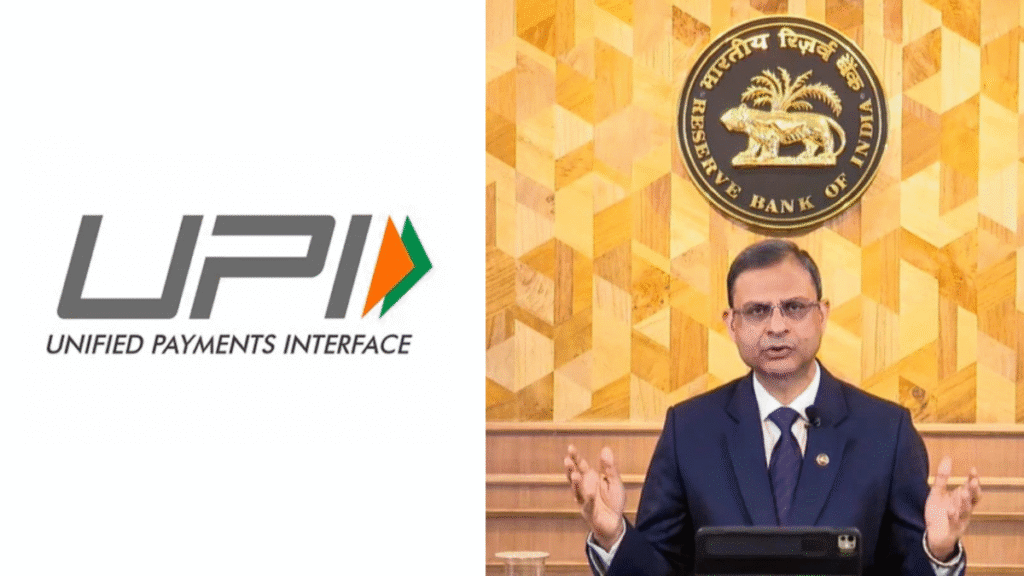
Unified Payments Interface (UPI) transactions are currently free for users, but that arrangement may soon face changes. Addressing a press conference after announcing the repo rate decisions on Wednesday, Reserve Bank of India (RBI) Governor Sanjay Malhotra addressed speculation surrounding future fees on digital payments.
When asked whether transaction fees would be introduced on UPI, Malhotra noted that it remains premature to make definitive statements while legal amendments are underway. However, he emphasized the fundamental economics supporting the digital payment network.
“It is very premature to talk right now,” Malhotra said. “The government is still carrying out the amendment. The costs have to be paid by someone. We all want that this public infrastructure should continue to strengthen. Let’s wait and watch for further developments on this.”
Why the Discussion Around UPI Charges Is Resurfacing
To consumers, UPI feels completely free. Users simply tap, enter their PIN, and transfer money without paying direct service fees. Behind the scenes, however, banks and payment gateway companies incur substantial expenses to maintain the digital infrastructure.
Since January 2020, financial institutions have been prohibited from charging merchants a Merchant Discount Rate (MDR) on UPI transactions. To compensate, the Central Government introduced budget subsidies to reimburse banks and payment service providers.
However, the rapid growth of UPI has strained this financial setup. The network now processes billions of monthly transactions worth lakhs of crores of rupees. Industry reports indicate that government incentive payouts cover only a small fraction of the actual operational costs incurred by banks to maintain high uptime, server capacity, and security systems.
“The cost is already getting passed on,” Malhotra explained. “It may not be directly on to the very user, but someone is paying the cost. This is what I meant when I said someone will have to pay the cost. What is important is that we continue to invest and we continue to find the means, whether it is MDR or other things. Let’s wait and see how the situation evolves.”
Proposed Changes to the Payment Law and What They Mean
The government is currently re-evaluating whether larger commercial businesses should resume paying processing fees. Union Finance Minister Nirmala Sitharaman has tabled proposed amendments to the Payment and Settlement Systems Act in Parliament. This legislative change clears the pathway for reintroducing an MDR framework on specific types of UPI transfers.
The key details of the proposal currently under discussion include:
- Targeted Fee Range: An MDR between 0.3 percent and 0.5 percent is being evaluated.
- Transaction Cap: The fee would apply only to transactions exceeding ₹2,000.
- Merchant Threshold: Charges would apply strictly to larger merchants meeting specific annual turnover limits.
- Exemptions for Small Retailers: Everyday consumer-to-consumer transfers and payments to small local shopkeepers will remain entirely untouched.
Under this proposed model, everyday transfers to local vendors will incur no fees. If a customer makes a large-value purchase over ₹2,000 at a major retail chain, the processing fee would be paid by the business owner, not the shopper.
The Broader Impact on Digital Payment Infrastructure
Governor Malhotra stopped short of confirming any direct charges for everyday individual consumers. Instead, his remarks highlight the financial reality of operating a massive national payment rail.
Running a transaction system of UPI’s scale requires continuous spending on secure servers, cloud infrastructure, anti-fraud screening, and interbank settlement systems. Currently, part of this expenditure is subsidized by the government, while banks absorb the remaining financial shortfall.
The RBI Governor’s assessment makes it clear that the current subsidy model cannot stretch indefinitely. Policymakers are now determining how to distribute these operational expenses fairly across the government, financial institutions, and large commercial merchants to keep the public digital infrastructure sustainable.

Curated news reports, in-depth analysis, and special features by India’s Opinion editorial team.