
Punjab’s government employees aren’t waiting around. They’ve already made their first legal move in a fight they expect to reach the Supreme Court soon.
State employees and pensioners filed a caveat in the top court on August 5. They did it in anticipation. They believe the Punjab government will challenge a High Court order that told it to clear pending dearness allowance dues within two weeks. That order carries a price tag: roughly Rs 25,000 crore.
What the Caveat Actually Does
The caveat was filed in the case Raghbir Singh versus Additional Chief Secretary to Government of Punjab. It carries the case number 14527/2026. Advocate Abhishek Gupta filed it on the employees’ behalf.
Here’s why it matters. A caveat is a simple legal safeguard. It stops one side from getting a quiet, one-sided order from a higher court. If Punjab now files an appeal in the Supreme Court, the court can’t grant any interim relief, including a stay, without first hearing the employees out. Legal experts call this routine. But it’s an important routine step when an appeal looks likely.
Why Employees Acted First
Sukhchain Singh Khaira leads the Punjab Government Employees Association. He explained the thinking plainly. “Employees of PSPCL [Punjab State Power Corporation Ltd], school education department, Punjab civil secretariat have all got together to file this caveat. We had filed eight writ petitions for the DA in the high court earlier,” Khaira said.
In short: they’ve already put in years of legal work on this. They don’t want a late-night Supreme Court order to undo it.
How the Case Got Here
This all traces back to a High Court fight over delayed DA payments. Earlier this year, a single judge struck down Punjab’s plan to pay DA arrears in 42 small instalments. The judge ruled the state had to follow the same DA pattern the central government uses.
Punjab appealed that ruling. It lost again. A division bench upheld the single judge’s order. It gave the state two weeks to clear the pending dues. The court found something specific unfair.
The government couldn’t apply one DA standard to All India Services officers and a different, weaker one to its own state employees and pensioners.
The stakes here are real for ordinary workers. Employees have been waiting on 18 percent DA since January 2023.
The Government’s Own Numbers Keep Shifting
Punjab’s estimate of what it owes has moved a lot. Before the division bench, the state argued the liability was around Rs 14,191 crore. Now, to justify going to the Supreme Court, it’s citing Rs 25,000 crore instead. That jump alone is likely to draw scrutiny if the case reaches the apex court.
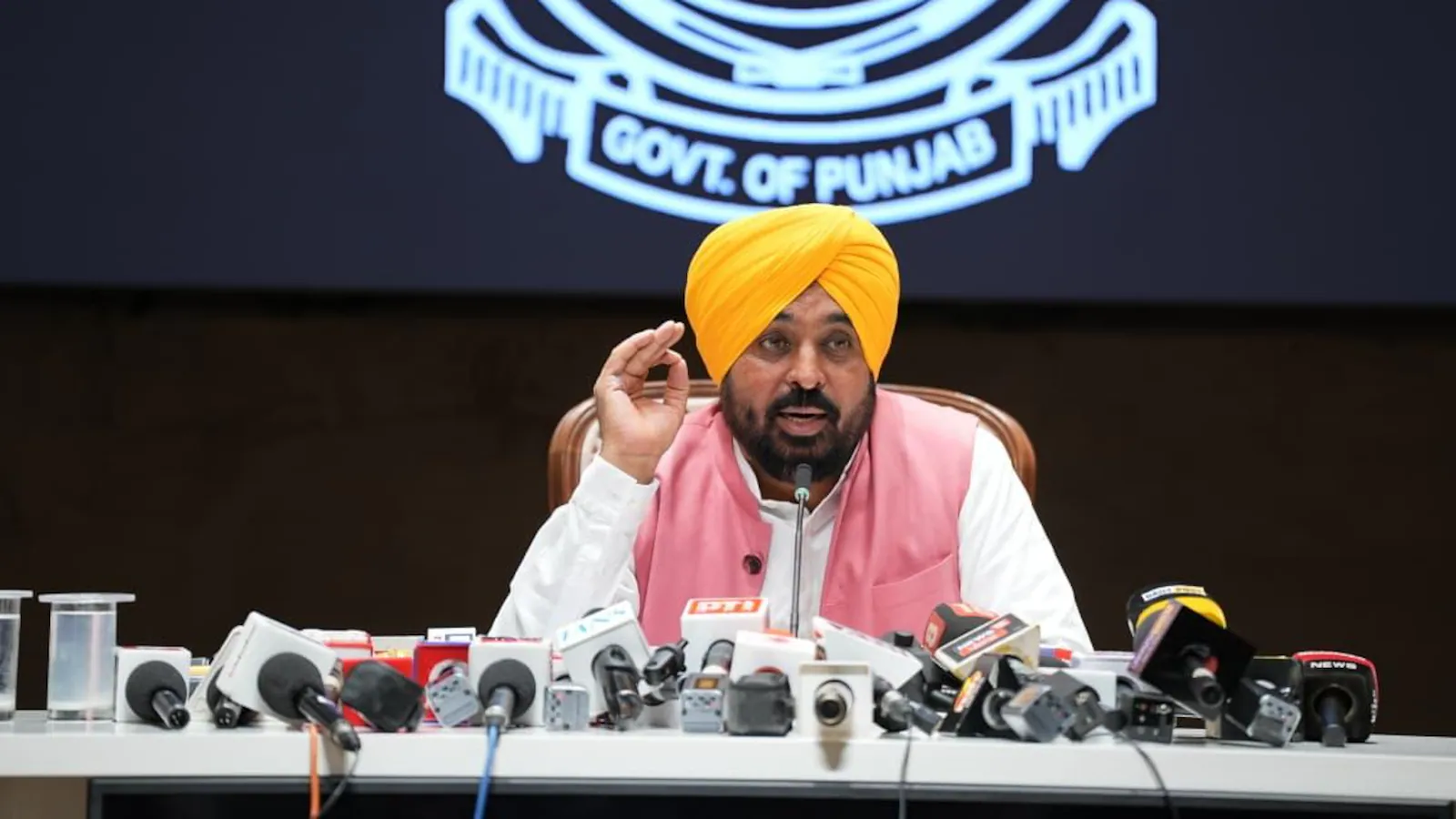
Finance Minister Harpal Singh Cheema has already signalled the government’s next move. He said Tuesday its legal team was exploring remedies, including a Supreme Court appeal. He also argued that “certain constitutional benchmarks and judicial precedents” seemed to have been overlooked in the court’s order.
Cheema pointed to what the state has already paid. “In 2024-25, we cleared the dues of all pensioners above 85 years. In 2025-26, we cleared dues of pensioners above 75 years. In the current year, we have started clearing the dues of the remaining pensioners and employees,” he said, adding that nearly Rs 6,000 crore had already gone out.
A Political Contrast Waiting to Happen
The High Court order carries an extra sting for Punjab’s ruling AAP government. Judges restrained the state from spending on large-scale advertising campaigns until it clears these dues in full. That restriction sits awkwardly next to another number.
The government has already disbursed roughly Rs 3,000 crore under its flagship women’s cash-assistance scheme. Expect the Opposition to draw that comparison directly when Punjab’s Assembly next convenes.
What Happens Next
Punjab hasn’t filed its Supreme Court appeal yet. But the caveat tells its own story: employees expect one is coming, and soon. Whether the apex court takes up the size of the liability, the fairness of the DA parity argument, or simply the timeline for payment, will shape how this Rs 25,000 crore dispute plays out for Punjab’s 7.5 lakh employees and pensioners.

Curated news reports, in-depth analysis, and special features by India’s Opinion editorial team.