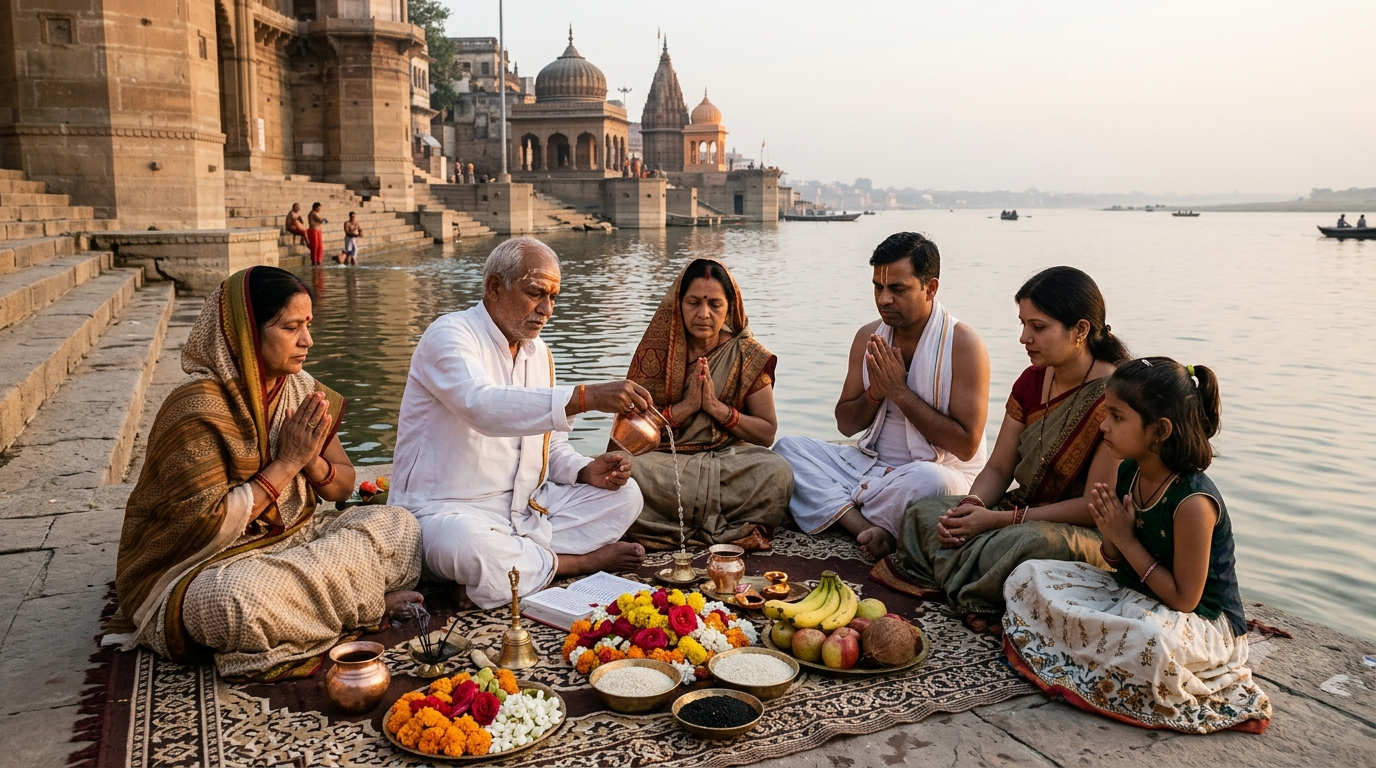
As Pitru Paksha approaches in 2026, Hindu families across India prepare for a period dedicated to remembering and honouring their ancestors.
The observance begins on September 27 and continues until October 10, ending with Sarva Pitru Amavasya, according to Indian Panchang calendars.
Also known as Shraddha Paksha or Mahalaya Paksha in different traditions, Pitru Paksha is a period when families perform rituals for deceased relatives.
These practices can include Shraddha, Tarpan, Pind Daan, prayers, food offerings and acts of charity.But why is this period considered important in Hinduism, and why does it last for around two weeks?
What Is Pitru Paksha?
Pitru Paksha is a period in the Hindu lunar calendar associated with paying respect to departed ancestors, traditionally known as Pitru.
The word Shraddha is associated with faith, devotion and the performance of prescribed rites for ancestors.
The observance follows lunar tithis, rather than fixed Gregorian calendar dates. This is why the dates can change from year to year.
In 2026, the main sequence begins with Pratipada Shraddha on September 27 and concludes with Sarva Pitru Amavasya on October 10.
A separate Purnima Shraddha is observed on September 26, which is why some calendars may describe September 26 as the beginning of the broader Shraddha observance.
Why Do Hindus Honour Their Ancestors?
Ancestor remembrance has a long place in Hindu religious traditions.
The underlying idea is that people have responsibilities toward previous generations and should remember those who came before them.
During Pitru Paksha, families traditionally perform rituals as an expression of gratitude and remembrance.
Hindu traditions connect these practices with Pitru Rina, or the perceived debt owed to one’s ancestors.
The concept reflects the idea that individuals inherit family, cultural and social responsibilities from previous generations.
The rituals therefore serve both a religious and family function.
They provide a specific period for families to remember deceased relatives and maintain traditions associated with them.
What Happens During Shraddha?
The exact customs differ between families, regions and Hindu traditions.
Shraddha ceremonies may involve offerings of food and water, prayers and other prescribed rituals. Tarpan generally refers to ritual offerings of water, while Pind Daan involves offerings traditionally made in the form of pindas.
Families may also offer food to people in need or perform charitable acts during this period.Traditional Hindu calendars assign different days of Pitru Paksha to different lunar tithis.
Families generally perform the relevant Shraddha according to the tithi associated with an ancestor’s death.
Why Is the Death Tithi Important?
One distinctive feature of Pitru Paksha is its use of the lunar tithi.A tithi is not exactly the same as a date on the modern Gregorian calendar.
It is based on the relative positions of the Sun and Moon and can begin or end at different times during a civil day.
This means that families do not simply choose a date based on the anniversary shown on a regular calendar.
Traditional Panchang calculations are used to determine the appropriate tithi.
This also explains why Shraddha dates can sometimes appear different across locations or calendars.
Local sunrise and lunar calculations can affect the civil date on which a particular observance falls.
What Is Sarva Pitru Amavasya?
The final day of Pitru Paksha is known as Sarva Pitru Amavasya, also called Mahalaya Amavasya.
In Hindu tradition, this day has special importance for remembering ancestors.
It is particularly associated with offerings for ancestors when their specific death tithi is unknown or when a family cannot perform the observance on the relevant tithi.
In 2026, Sarva Pitru Amavasya falls on October 10 in India.
The day therefore provides a final opportunity within Pitru Paksha for families to perform ancestral remembrance.
Is Pitru Paksha Celebrated the Same Way Everywhere?
No. Hindu practices vary considerably by region, family tradition and religious school.
The basic theme of remembering ancestors is widely shared, but the rituals, foods, prayers and customs can differ.
The names used for the period can also vary. In different parts of India, people may refer to it as Pitru Paksha, Shraddha Paksha, Mahalaya Paksha or simply Shraddha.
The lunar calendar system used in different regions can also affect how the month is named, even when the actual ritual period falls on similar days.
Why Does Pitru Paksha Still Matter Today?
For many Hindu families, Pitru Paksha is more than a set of religious rituals.
It creates a period for remembering relatives who have died and reflecting on family history.It can also bring generations together.
Older family members may explain the identities and stories of ancestors to younger relatives, preserving memories that might otherwise disappear.
From a religious perspective, devotees observe the rituals as acts of duty, faith and remembrance.
From a cultural perspective, the period continues an ancient tradition of maintaining a connection between generations.
Pitru Paksha therefore combines religious observance with remembrance of family heritage.
As the 2026 observance begins on September 27, Hindu families will once again turn their attention toward ancestral remembrance, traditional rituals and the responsibilities associated with family heritage.
The period will conclude on October 10 with Sarva Pitru Amavasya.

Umar Khan is a writer driven by curiosity and a passion for understanding the world. Through thoughtful analysis and evocative storytelling, he seeks to make complex ideas accessible, inspire meaningful conversations, and encourage fresh perspectives on the people, places, and issues that shape our shared future.