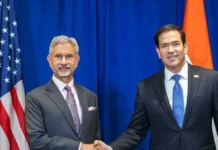

High-level diplomatic talks in New York saw frank discussions on energy trade. US Secretary of State Marco Rubio met Indian External Affairs Minister S Jaishankar on Wednesday. The bilateral meeting took place on the sidelines of the United Nations General Assembly. Talks focused heavily on aggressive new trade sanctions ordered by President Donald Trump. Washington has sharply increased financial penalties on countries buying crude from Russia and Iran. India raised serious concerns about how these restrictions hurt its domestic economic stability. In response, Rubio proposed building new regional energy partnerships to ease the squeeze on New Delhi.
Jaishankar Flags Deep Concerns Over Russian Oil Penalties
The meeting began with India laying out its vital economic red lines. Jaishankar explained that affordable fuel is essential for India’s 1.4 billion citizens. Recent measures passed in Washington threaten harsh tariffs on buyers of Russian oil. India has relied heavily on discounted crude to keep inflation under control. According to reporting from The Hindu, Jaishankar warned that secondary sanctions risk disrupting global supply chains. He made it clear that national energy security remains an absolute top priority for New Delhi. The foreign minister stressed that trade penalties must not penalise developing economies unfairly.
Washington Pushes Alternative Energy Corridors in the Gulf
Rubio acknowledged New Delhi’s economic pressures during the closed-door dialogue. However, he urged India to diversify away from Moscow’s energy supplies over time. The Secretary of State floated a plan involving friendly regional suppliers. Washington wants to help partner nations access stable oil and gas flows from the Gulf. Details published by The Indian Express showed that Rubio offered technical and financial backing for alternative trade routes. The American proposal aims to protect Indian fuel needs without enriching Russian state accounts. Both sides agreed to set up technical working groups to review supply numbers.
Trump’s Hardline Tariff Strategy Tests Strategic Ties
The diplomatic exchange highlights a tricky balancing act for both democracies. Washington views India as an indispensable democratic partner in the Indo-Pacific region. Both capitals work closely together on maritime security, defence tech, and supply chains. Yet Trump’s hardline trade agenda continues to create friction between trade negotiators. Analysis in Business Standard pointed out that secondary tariffs threaten billions in bilateral commerce. Indian refiners are watching the policy debate with extreme caution. Business leaders worry that abrupt supply cuts could spike domestic fuel prices during festive months.
Broader Talks on Ukraine and West Asian Stability
Beyond energy disputes, the two diplomats covered pressing global security issues. Rubio and Jaishankar held detailed discussions on peace efforts regarding the Ukraine conflict. They also exchanged notes on volatile security risks across the Red Sea and the Gulf. Coverage from The Pioneer noted that both officials reaffirmed their commitment to open sea lanes. Despite friction over sanctions, officials described the meeting as cordial and productive. Both nations will continue negotiations over the coming weeks to find workable commercial compromises.

Curated news reports, in-depth analysis, and special features by India’s Opinion editorial team.