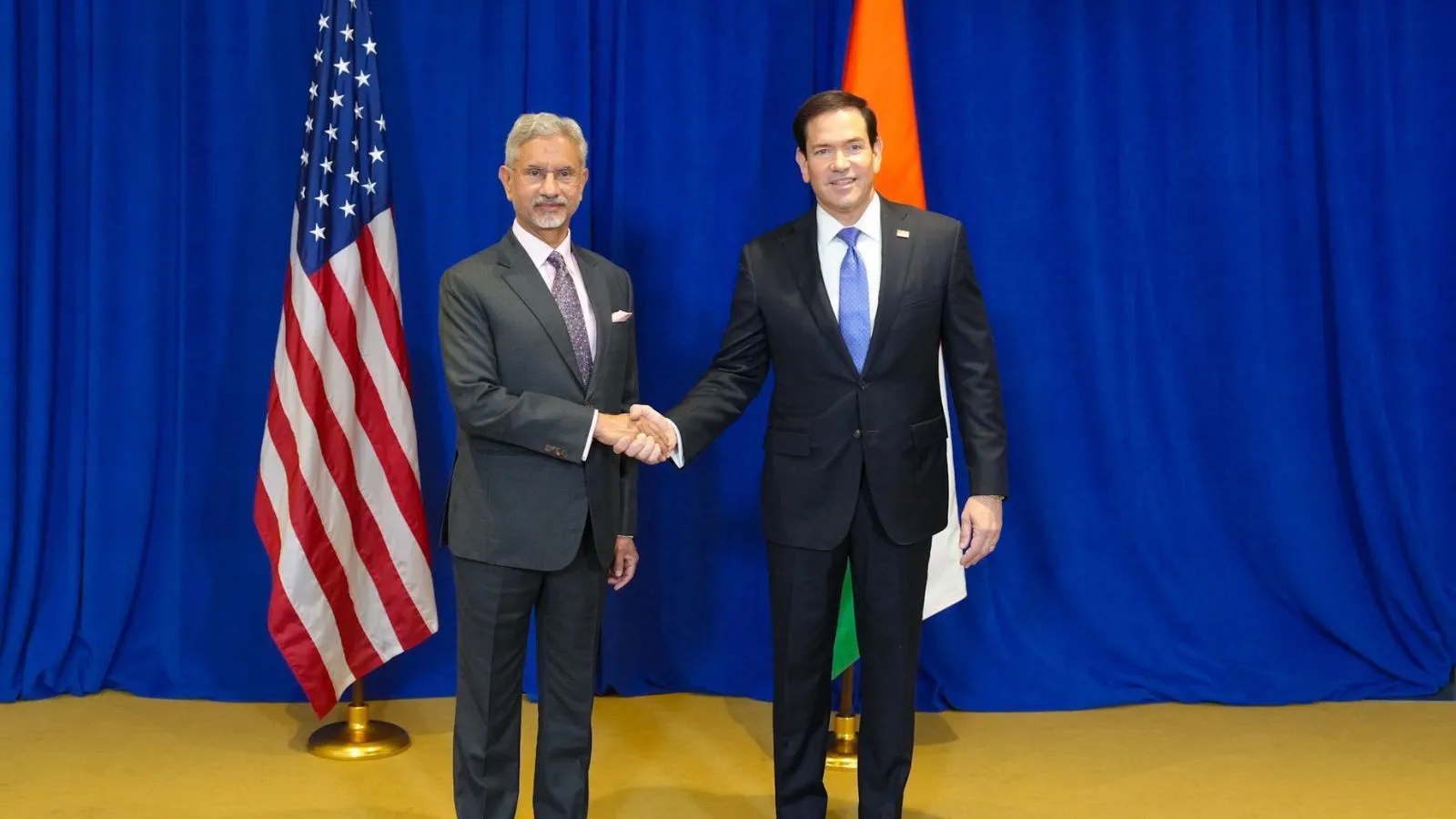
United States Secretary of State Marco Rubio confirmed on Monday that Washington considered its pending bilateral trade pact with India while granting sanctions relief on Russian crude. He revealed that American and Indian trade negotiators are very close to finalizing the historic economic agreement. The top diplomat addressed international reporters in Washington prior to his departure for official visits to Uzbekistan and India.
Rubio explained that the White House designed the 60-day sanctions pause to preserve diplomatic momentum with New Delhi. According to official diplomatic statements published by The Indian Express, the Trump administration recognized India’s vital strategic importance. Therefore, American trade officials factored bilateral economic negotiations into the presidential waiver decision.
Pragmatic Energy Realities Guide US Sanctions Pause
The Secretary of State defended President Donald Trump’s decision to suspend secondary sanctions on buyers of Russian energy. The executive waiver paused punitive measures under the Lindsey O. Graham Sanctioning Russia and Iran Act.
Rubio observed that geography and regional logistics dictate national energy choices. As detailed by The Times of India, Rubio noted that every sovereign country must balance complex domestic factors. He stressed that developing economies require affordable, uninterrupted energy supplies to sustain economic growth. Consequently, the United States chose not to penalize strategic partners who purchase discounted Russian barrels.
Middle East Conflict and Global Oil Pressures Force Flexibility
The waiver arrives during acute turbulence across international energy markets. Hostilities in the Persian Gulf and mine strikes along the Strait of Hormuz pushed benchmark Brent crude past $100 per barrel.
Washington recognized that abruptly removing Russian oil barrels from world markets would trigger catastrophic global inflation. As reported by The Hindu, American officials concluded that severe supply contractions would damage Western allies alongside emerging markets. In addition, reporting by Hindustan Times highlighted that high energy costs threaten domestic American consumers ahead of upcoming elections. As a result, the White House adopted pragmatic trade flexibility to maintain worldwide petroleum supplies.
Strategic Partnership Deepens Ahead of Secretary’s Delhi Visit
Rubio characterized India as an indispensable partner and a crucial global ally. He emphasized that the upcoming bilateral trade deal will expand commercial ties across critical technologies, defense manufacturing, and supply chains.
Meanwhile, Indian refiners welcomed the 60-day sanctions relief amid ongoing maritime shipping delays. On the other hand, trade policy analysts noted that the temporary waiver gives both democracies room to conclude commercial talks without tariff threats. Moreover, senior officials in New Delhi prepare to host Secretary Rubio later this week to finalize the landmark economic partnership. The diplomatic breakthrough reflects growing strategic cooperation between Washington and New Delhi despite competing geopolitical pressures.

Curated news reports, in-depth analysis, and special features by India’s Opinion editorial team.