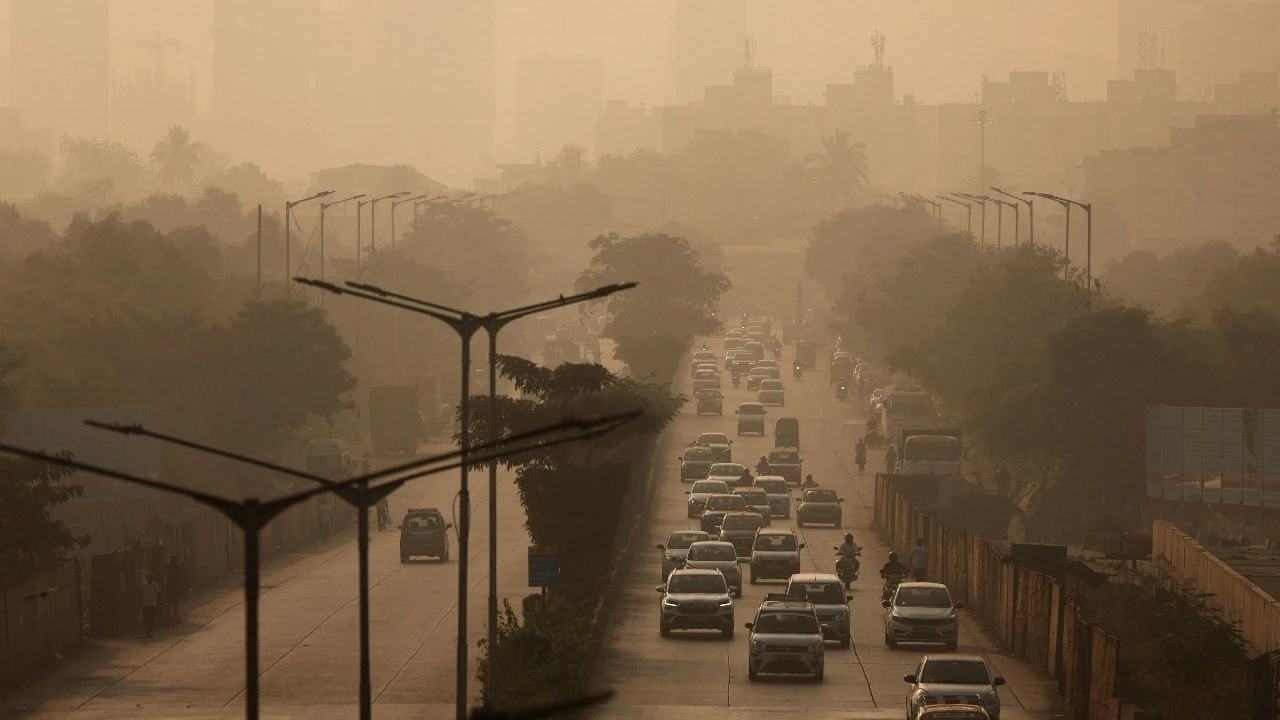
Mumbai’s fight against toxic air has hit a troubling wall. The city’s civic body spent nearly five hundred crore rupees from central anti-pollution grants. Yet thick layers of smog continue to blanket the financial capital every winter. Fresh data reveals that most of the money went into buying electric city buses. Very little funding reached the actual ground to stop swirling road and construction dust. To make things worse, many of the ordered electric buses never arrived. Experts and resident groups are now asking tough questions about official priorities. Millions of citizens continue to breathe foul air while public funds slip away on mismatched projects.
Big Grants Diverted to Electric Buses Instead of Ground Dust
The central government gave over six hundred crore rupees to the civic body to clear the air. Records show that the Brihanmumbai Municipal Corporation spent ninety-two percent of this grant. However, eighty-seven percent of the used funds went straight to the transport wing. The city spent roughly ₹493 crore ordering electric buses for public transport. Officials justified the purchase by claiming they wanted to cut tailpipe smoke. But an investigative report by The Indian Express revealed severe delivery delays. Nearly half of the contracted buses were never delivered to municipal depots. Meanwhile, massive infrastructure projects across the city continued to spew tons of fine dust into the air daily.
Scientists Point to Wrong Priorities and Missing Hotspot Research
Environmental scientists argue that the civic body completely misunderstood the real crisis. Atmospheric expert Dr Gufran Beig noted that dedicated transport ministries already fund electric vehicle fleets. He pointed out that clean air funds should target specific local pollution hotspots instead. Mumbai’s real danger comes from heavy construction debris, refinery emissions, and coastal dust. Open digging for coastal highways, new metro lines, and airport expansions kicked up huge clouds of particulate matter. Instead of monitoring neighbourhood air pockets, authorities poured cash into general vehicle purchases. Scientists insist that the city needed localized misting systems, strict building covers, and scientific research.
Daily Health Battles for Millions of City Residents
The mismatch between fund spending and real pollution shows up in rising hospital visits. Doctors across Mumbai report a steady jump in asthma, bronchitis, and eye irritation. Children and elderly citizens suffer the most during calm winter mornings when sea breezes slow down. Air quality monitors repeatedly flash red warnings across major traffic corridors like the Western Express Highway. Commuters spend hours breathing toxic particles trapped under heavy humidity. Civic groups complain that road-washing drives happen only when public outrage peaks on social media. Without permanent dust barriers at builder sites, street cleaning provides only temporary relief.
Calls for Strict Audits as Smog Season Approaches
With cooler months around the corner, pressure is mounting on urban planners. Citizen collectives demand an independent audit of how environmental funds were distributed. They want civic ward officers held directly accountable for dust violations in their zones. Activists say future central grants must focus strictly on pollution tracing, green buffers, and strict builder fines. Pouring public money into transport orders while ignoring construction dust has produced zero results on the ground. Until the municipal corporation fixes its core strategy, Mumbai’s smog problem will remain costly and deadly.

Curated news reports, in-depth analysis, and special features by India’s Opinion editorial team.