
SpaceX is taking a much bigger step into the US wireless market, putting its satellite network on a path to compete directly with traditional mobile operators.The company’s SpaceX mobile ambitions have already unsettled telecom investors and raised a bigger question for the industry: can a satellite company become a nationwide wireless carrier?
The move follows SpaceX’s acquisition of 65 MHz of wireless spectrum from EchoStar for $19.6 billion.The company plans to combine that spectrum with its Starlink satellite network and terrestrial infrastructure, according to Reuters.
SpaceX President and Chief Operating Officer Gwynne Shotwell has indicated that the company wants to win a substantial share of the mobile market.That would put SpaceX in direct competition with Verizon, AT&T and T-Mobile, companies that have spent decades building extensive cellular networks across the United States.
SpaceX mobile ambitions go beyond satellite internet
The SpaceX mobile ambitions mark a shift from Starlink’s original business model.
Starlink has mainly provided broadband internet through satellite terminals installed at homes, businesses, vehicles and ships. Its Direct to Cell technology takes a different approach.
It allows compatible ordinary smartphones to connect with Starlink satellites when conventional cellular coverage is unavailable.SpaceX says its Direct to Cell service has moved from testing into commercial operation through partnerships with mobile operators.
The system uses mobile spectrum supplied by partner carriers and connects phones directly with satellites in low-Earth orbit.T-Mobile has already deployed satellite connectivity using SpaceX technology. Its service can automatically connect supported phones to satellites when conventional network coverage disappears.
T-Mobile says the service currently covers the continental US, Puerto Rico, Hawaii and parts of Alaska, with international expansion involving partner networks.
The new strategy goes further. Instead of remaining primarily a satellite partner for established carriers, SpaceX wants to build a broader wireless business of its own.
Why the spectrum deal matters
Spectrum is one of the most valuable assets in the wireless industry because mobile devices need licensed frequencies to communicate reliably.The $19.6 billion EchoStar transaction gives SpaceX access to a large block of spectrum that can complement its satellite infrastructure.
Reuters reported that the company intends to combine satellite and terrestrial networks rather than depend entirely on orbital coverage.That distinction is important.Satellites can reach areas where towers are difficult or expensive to build.
However, satellite capacity remains constrained by physics, spectrum availability and the number of users connecting at the same time.
A hybrid network could allow SpaceX to use terrestrial infrastructure in densely populated areas while relying on Starlink satellites in remote locations.
Starlink gives SpaceX a head start
The SpaceX mobile ambitions also build on a rapidly expanding Starlink business.SpaceX reported $7.8 billion in quarterly revenue for the period ending June 30, according to Reuters.
Starlink generated more than half of the company’s revenue, while its subscriber base reached about 12 million.
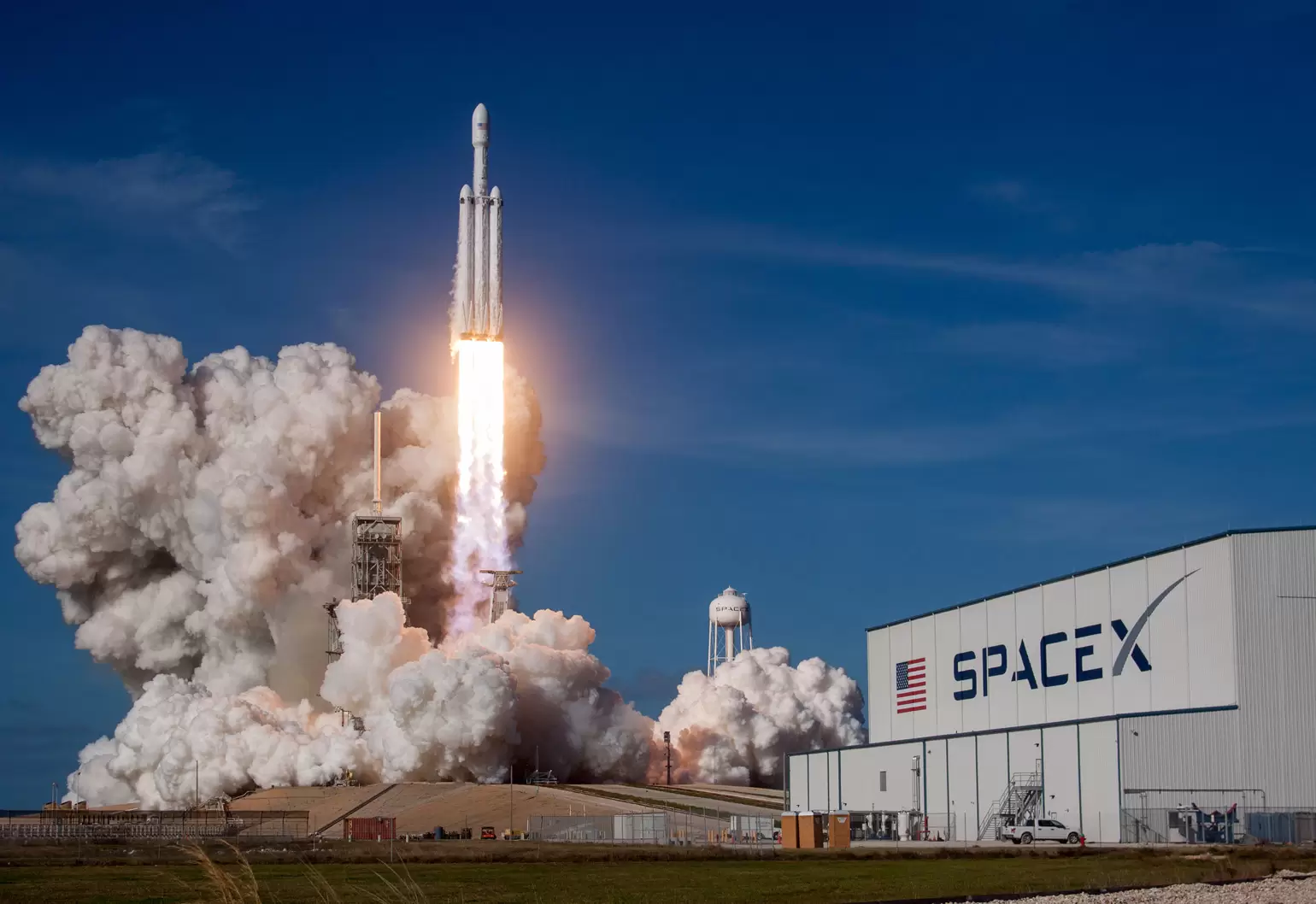
That customer base gives SpaceX something most new telecom entrants lack: an established satellite network and a large-scale launch operation.SpaceX also launches many of its own satellites using Falcon rockets.
That gives the company greater control over constellation expansion and replacement.The company continues to deploy next-generation Starlink satellites designed to increase network capacity.
SpaceX mobile ambitions could change rural connectivity
The SpaceX mobile ambitions could have their strongest impact outside major cities.Traditional cellular networks can struggle to justify expensive tower construction in remote areas with relatively few customers.
Mountains, forests, deserts and large bodies of water can also create coverage gaps.Satellites do not face the same geographical limitations.T-Mobile says its satellite partnership with SpaceX is designed to reach places that conventional cell towers cannot economically cover.
The company has described the technology as an additional layer of connectivity rather than a replacement for its existing network.For consumers, that could mean fewer dead zones during road trips, hiking trips and emergencies.
It could also benefit industries that operate far from cities, including shipping, aviation, agriculture and emergency services.
A costly expansion lies ahead
The SpaceX mobile ambitions come with enormous financial requirements.SpaceX’s latest results show how much capital the company is already spending on expansion.
Reuters reported that capital expenditure reached about $18 billion during the quarter, with much of the spending directed toward infrastructure and large-scale technology projects.
Building a mobile network would add another major investment requirement.The company needs more satellites, spectrum infrastructure, ground equipment, network software and customer support.
It also needs to maintain the launch capacity required to replenish and expand the Starlink constellation.That spending could create pressure even if subscriber numbers rise quickly.
The next battle is over the smartphone
The SpaceX mobile ambitions could eventually change how consumers think about mobile coverage.The traditional model depends on a dense network of towers connected to terrestrial infrastructure.
SpaceX is proposing a more integrated system in which satellites become another layer of the mobile network.The technology is already moving beyond simple emergency messaging.
SpaceX says Direct to Cell has supported messaging, video calls and data testing, while partner networks provide the spectrum needed for the service.But replacing established carriers is a much harder task than supplementing them.SpaceX now has the money, satellites, launch capability and spectrum assets to attempt the challenge.
Whether those advantages translate into a competitive nationwide wireless business will depend on network capacity, pricing, regulation and consumer adoption.The coming years will reveal whether SpaceX mobile ambitions remain an extension of Starlink or become the foundation of a new US wireless competitor.
The established carriers are already responding with their own satellite partnerships, meaning the next phase of the telecom race may take place both on the ground and in orbit.

Curated news reports, in-depth analysis, and special features by India’s Opinion editorial team.