
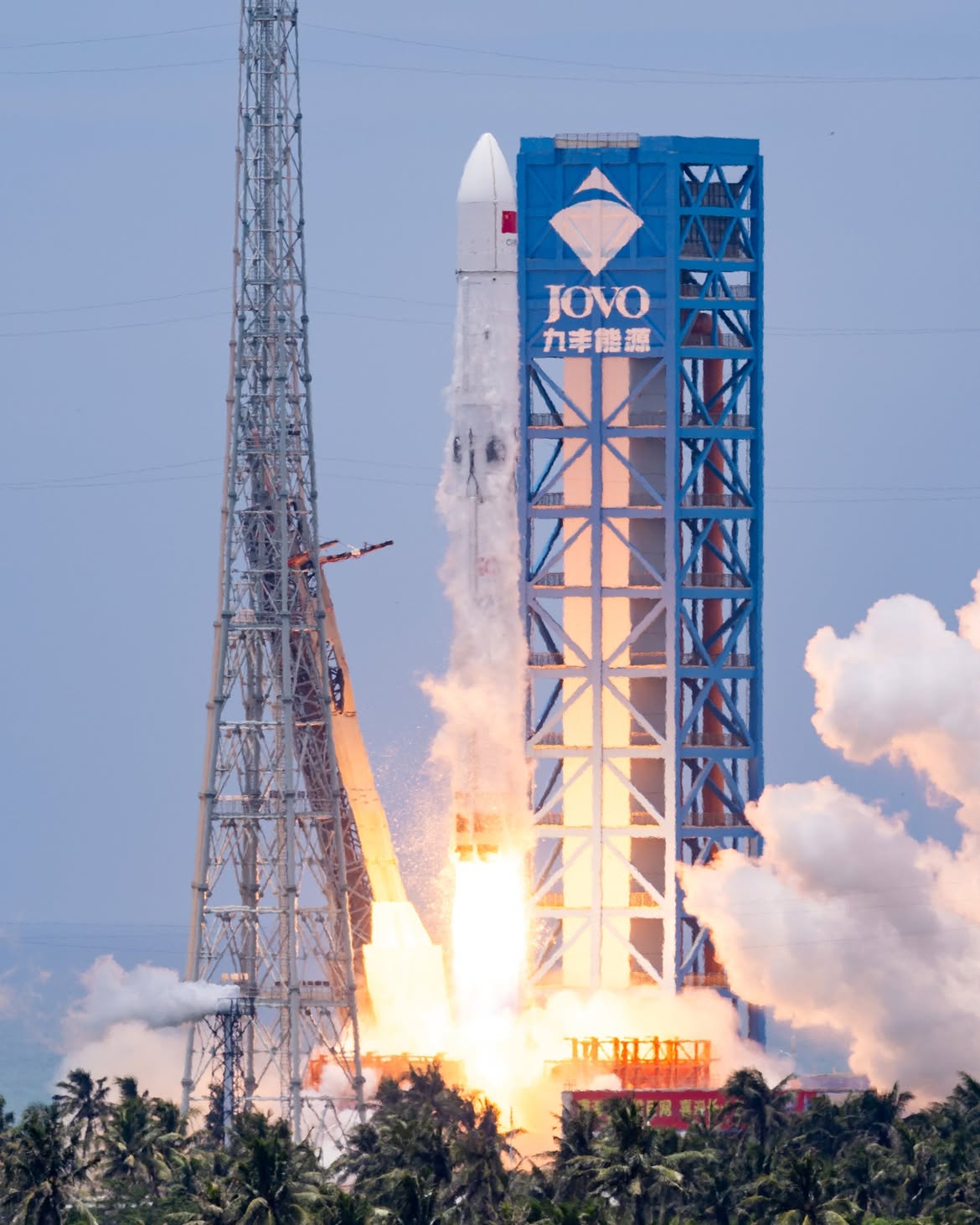
A New Chapter in Reusable Space Technology
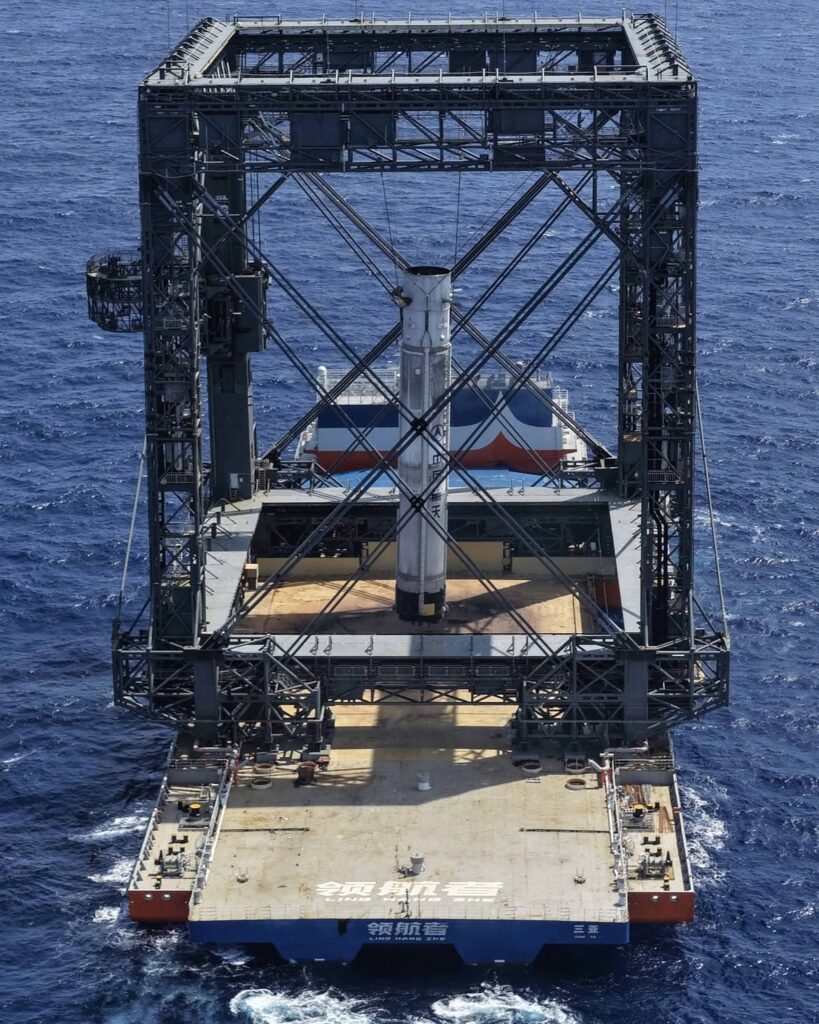
China has achieved a significant breakthrough in reusable space technology by successfully recovering the booster of its Long March 10B rocket using a floating sea-based net. Officials describe it as the world’s first successful recovery of an orbital-class rocket booster using this method, marking another step in the global race to reduce the cost of space launches.

A Different Approach to Reusable Rockets
Unlike traditional reusable rockets that land vertically on landing pads or drone ships, the new Chinese system uses specially designed hooks to catch the descending booster in a floating recovery net positioned at sea. Engineers believe this approach could simplify recovery operations and reduce refurbishment costs before the booster is launched again.
Why Reusability Matters
Reusable rockets have transformed the space industry by significantly lowering launch expenses. Recovering and reusing rocket boosters means fewer components need to be manufactured for every mission, allowing more frequent satellite launches and making future space exploration more affordable.
Experts say the latest achievement highlights the increasing focus on reusable launch systems as countries compete to build next-generation space infrastructure.
Growing Competition in the Global Space Race
The successful test comes as nations around the world invest heavily in reusable launch vehicles, satellite constellations, and lunar exploration. China’s latest milestone demonstrates its ambition to become one of the world’s leading space powers by the end of this decade while strengthening its commercial launch capabilities.
How the Sea-Net Recovery System Works
Explain the engineering behind the floating recovery net. Describe how the booster separates after launch, re-enters the atmosphere, slows down using guidance systems, and is captured by the specially designed sea-based net instead of making a vertical landing. Mention that the concept aims to reduce damage during recovery and simplify refurbishment.
Potential Impact on Commercial Space Launches
Discuss how reusable rockets are transforming the commercial space industry. Lower launch costs could make it more affordable for companies to deploy satellites for internet connectivity, weather forecasting, Earth observation, and scientific research. Explain that reducing costs could also encourage more private companies to enter the space sector.
How China’s Innovation Compares with SpaceX
Compare China’s approach with SpaceX’s reusable Falcon 9 system. While SpaceX lands boosters vertically on drone ships or landing pads, China is experimenting with a sea-net recovery technique. Both approaches share the goal of making launches cheaper and more frequent, though they use different engineering solutions
What This Means for the Future of Space Exploration
Conclude by explaining that innovations in rocket recovery could reshape the global space industry. More affordable launches may accelerate scientific discoveries, strengthen international competition, expand commercial opportunities, and bring long-term goals such as permanent lunar missions and deep-space exploration closer to reality. As more countries invest in reusable launch technology, the pace of space innovation is expected to increase over the coming decade.
Looking Ahead
The browser is evolving from a simple gateway to the internet into an intelligent assistant capable of understanding context and completing tasks. As competition accelerates, the coming years are expected to redefine how billions of people interact with the web, making AI-powered browsing one of the technology industry’s most closely watched developments.

Curated news reports, in-depth analysis, and special features by India’s Opinion editorial team.