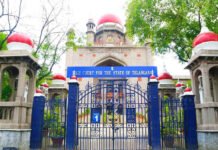
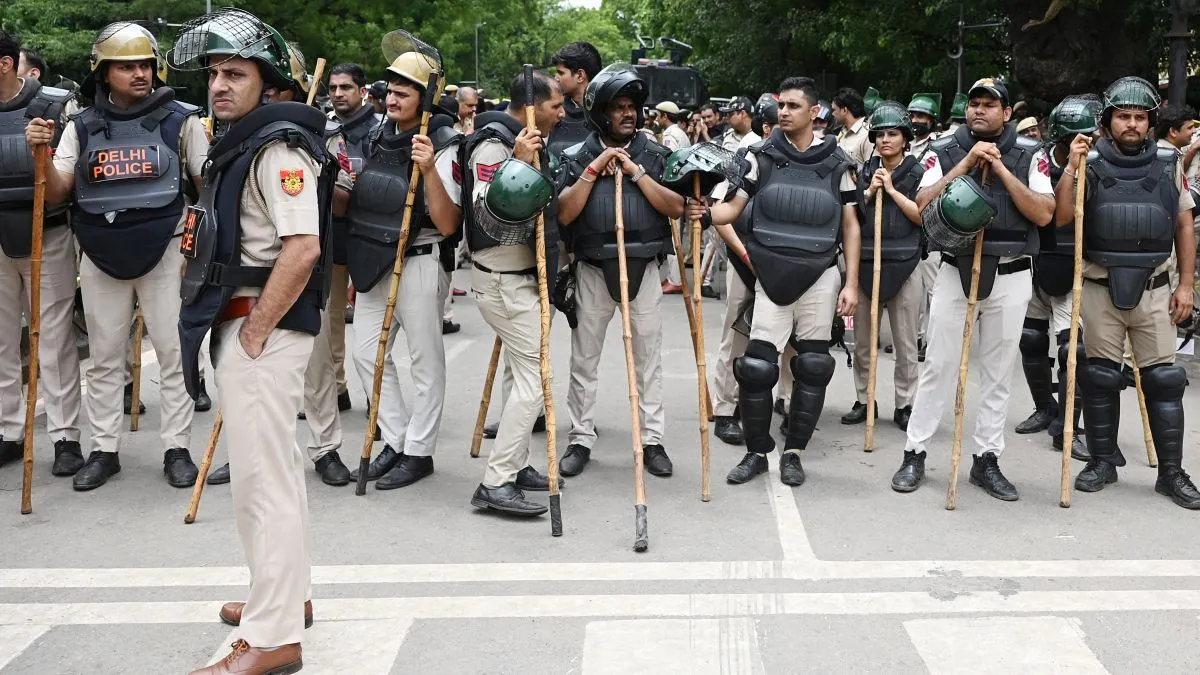
The Supreme Court of India has constituted a five-member High-Powered Enquiry Committee (HPEC), chaired by former apex court judge Justice R. Subhash Reddy. The committee will investigate allegations of excessive and disproportionate force by Delhi Police during recent student demonstrations at Jantar Mantar. Furthermore, a three-judge bench comprising Chief Justice of India Surya Kant, Justice Joymalya Bagchi, and Justice V. Mohana passed the detailed order in Shailendra Mani Tripathi v. Union of India and Others. The Court intervened in the aftermath of violent clashes between law enforcement and youth demonstrators during a march toward Parliament.
Five-Member High-Powered Committee Formed
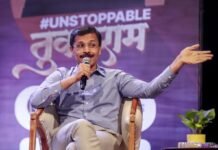
The apex court assembled a high-profile independent panel comprising retired judicial dignitaries and veteran police administrators to ensure a comprehensive fact-finding inquiry. Justice R. Subhash Reddy, who hails from undivided Andhra Pradesh, will lead the probe. In addition, he previously served as Chief Justice of the Gujarat High Court and Judge of the Supreme Court.
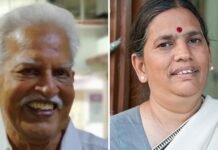
The panel also includes former Chief Justice of the Punjab and Haryana High Court Justice Ravi Shankar Jha. It also includes former Delhi High Court judge Justice Shalinder Kaur. Furthermore, it includes former Central Bureau of Investigation (CBI) Director Rishi Kumar Shukla, and retired Meghalaya Director General of Police L.R. Bishnoi.
Prioritising Women Protesters’ Complaints and Serious Injuries
In its operating directives, the bench instructed the inquiry committee to take up allegations of targeted violence and molestation of female student demonstrators on priority.
Multiple student groups and civil rights petitioners submitted evidence. They alleged unprovoked baton charges, physical assault in custody, and grievous injuries inflicted during the July 20 demonstration over exam paper leaks and recruitment reforms.
The committee has received full authority to examine witness statements, review video footage, inspect hospital medical records, and determine whether security forces violated standard crowd-control protocols.
Supreme Court Retains Oversight on Surveillance and Constitutional Issues
While delegating the ground-level factual probe to the Justice Reddy committee, the Supreme Court clarified something important. It will independently adjudicate broader constitutional challenges arising from the agitations.
The court will separately hear arguments regarding the legality of facial-recognition surveillance deployed on public protesters. Moreover, it will also consider the use of specialized anti-riot weapons. In addition, the court will address the quashing of criminal first information reports (FIRs) filed against students across multiple states.
The panel will submit its primary fact-finding report directly to the apex court. This will assist in establishing nationwide guidelines for policing peaceful public assemblies.

Curated news reports, in-depth analysis, and special features by India’s Opinion editorial team.