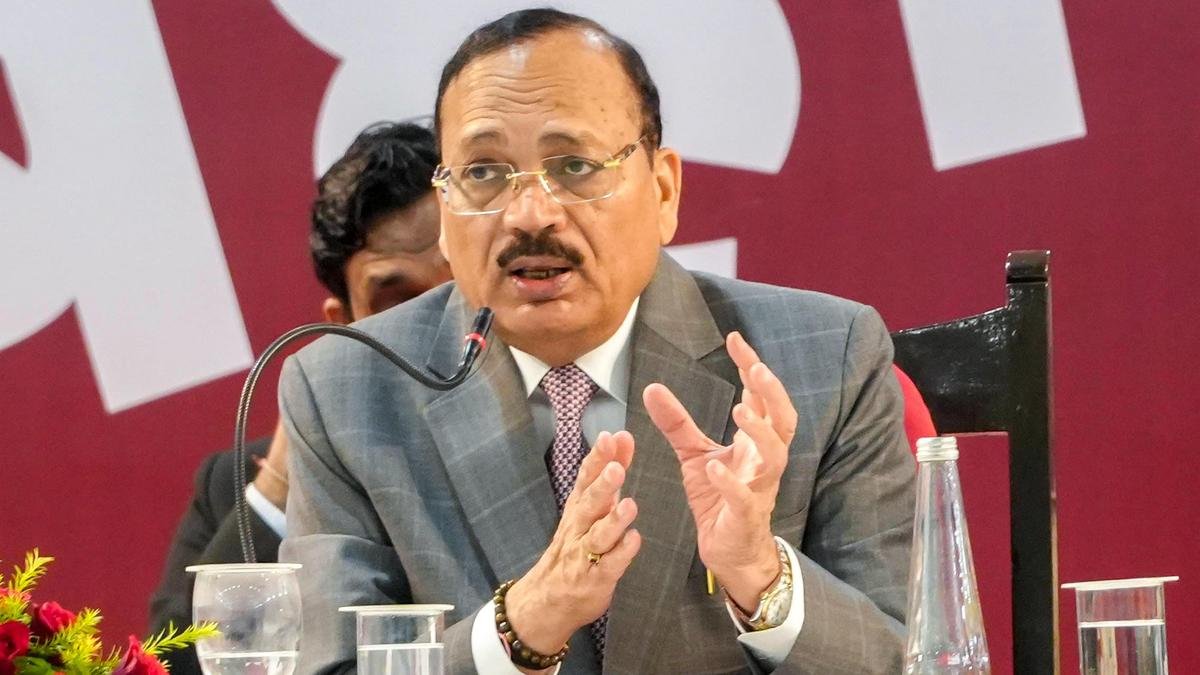
Chief Justice of India Surya Kant declined a meeting with an opposition delegation on Monday morning. The INDIA bloc and Congress leaders had sought an appointment to present a memorandum on electoral irregularities. The Chief Justice sent a formal response explaining his decision before the opposition began its planned protest march.
In his official communication, Justice Kant firmly stated that political parties must not drag the Supreme Court into partisan politics. According to legal reporting by The Indian Express, the Chief Justice stressed that the judiciary must remain above party rivalries. Therefore, he declined to receive political memoranda through administrative channels.
Judicial Route Remains Open as Matter Lies Sub Judice
The Chief Justice affirmed that the doors of the Supreme Court remain open to every Indian citizen. However, he reminded political leaders that grievance redressal must follow established judicial procedures. He pointed out that multiple petitions regarding voter roll revisions are already pending before court benches.
As highlighted by The Times of India, the Chief Justice noted that sub judice matters require formal legal filings. Political parties should present their arguments inside open courtrooms through affidavits. Furthermore, Justice Kant emphasized that judicial benches cannot deliberate on active controversies during informal office visits. Consequently, he advised the leaders to approach the registry with regular legal petitions.
Opposition Planned Mega March to Apex Court Over Voter Deletions
The Chief Justice’s remarks preceded a planned demonstration by the Congress and alliance partners in central Delhi. Leader of Opposition Rahul Gandhi and Congress President Mallikarjun Kharge had called for a march toward the Supreme Court. The opposition demanded the resignation of Chief Election Commissioner Gyanesh Kumar over alleged voter deletions.
Detailed coverage by ThePrint confirmed that the opposition wanted to submit a memorandum directly to the Chief Justice. Meanwhile, Delhi Police maintained tight vigil along roads leading to Tilak Marg. In addition, student groups and civil society volunteers gathered nearby to support the voting rights campaign. As a result, the CJI’s clear refusal altered the opposition’s tactical approach in the capital.
Judiciary Draws Clear Boundary Against Partisan Warfare
Legal scholars praised the Chief Justice for protecting institutional boundaries during intense political controversies. The apex court had already held a special Sunday sitting to stop unlawful police detentions in Delhi. Therefore, legal experts noted that the court acts decisively when citizens file formal petitions.
On the other hand, opposition strategists announced that they will convert their grievances into detailed legal pleadings. Senior lawyers representing the INDIA bloc prepared fresh applications challenging the Special Intensive Revision (SIR) program. Moreover, parliamentary leaders promised to raise the issue during upcoming legislative debates. By drawing a sharp line between judicial duty and street politics, the Chief Justice reaffirmed constitutional neutrality.

Curated news reports, in-depth analysis, and special features by India’s Opinion editorial team.