Prime Minister Narendra Modi has called for the strictest possible punishment for those responsible for the NEET paper leak. The Modi NEET paper leak statement has gained widespread attention as student protests over examination irregularities continue to put pressure on the Union government.
The remarks came as a youth-led protest movement intensified in New Delhi. Thousands of protesters have demonstrated against alleged examination irregularities and demanded accountability from the government. This new wave of protests has drawn renewed focus to Prime Minister Modi’s NEET paper leak statement, which has become a focal point in the examination security debate. The protests have also drawn opposition support and expanded into a wider debate over examination security and student rights.
Modi NEET paper leak statement comes amid growing student protests
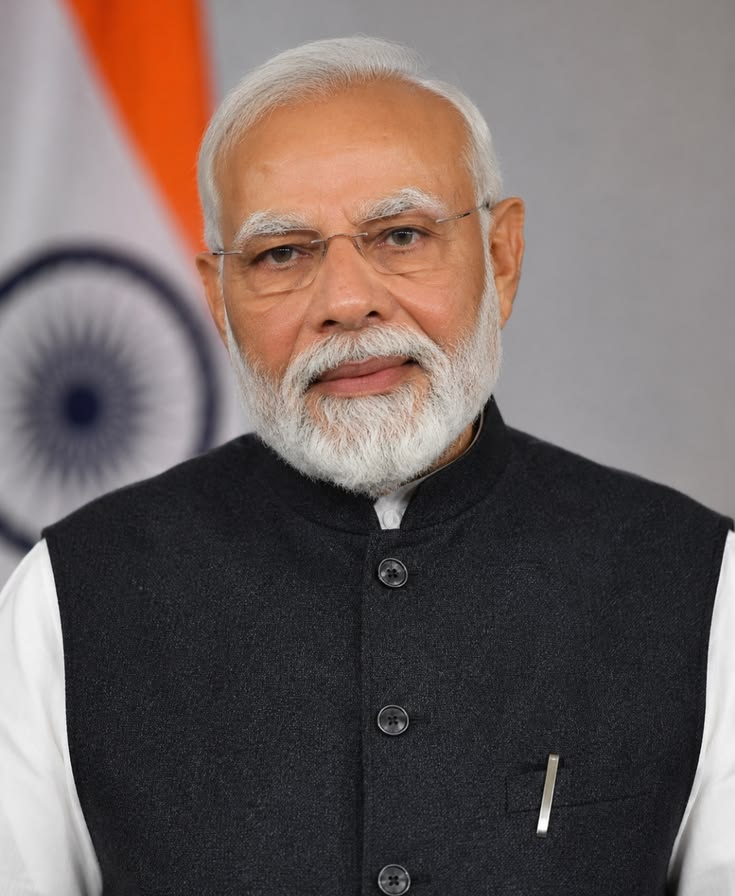
According to reports shared by Union Parliamentary Affairs Minister Kiren Rijiju, Prime Minister Modi told NDA MPs that those responsible for the NEET paper leak should face the strictest punishment available under the law. In fact, the Modi NEET paper leak statement was reiterated as part of the government’s commitment to justice in this examination crisis.
The Prime Minister also said the government had acted swiftly in the case. Reports stated that 13 people had been arrested and sent to prison in connection with the alleged leak. The investigation and legal proceedings will determine individual responsibility. Notably, Modi’s NEET paper leak statement comes at a politically sensitive moment.
Student protesters have continued to demand accountability. Meanwhile, the government faces questions over how examination security failed. There are also questions over whether affected students should receive compensation, which has become even more relevant after Modi’s NEET paper leak statement made headlines.
Modi’s remarks contrast with protesters’ demand for political accountability
The Prime Minister’s reported position focuses on punishment for those found responsible for the alleged leak. Protest leaders, however, have demanded broader political accountability, including the resignation of Education Minister Dharmendra Pradhan. It is interesting to see how Modi’s statement on the NEET paper leak has become a point of contrast in this political battle.
That difference has become central to the dispute. The government has emphasised legal action and investigations, while protesters argue that administrative responsibility must also be examined. The debate intensified after clashes between protesters and police in Delhi. Moreover, Reuters reported that nearly 180 people were injured, including protesters and police personnel. Importantly, Modi’s NEET paper leak statement continues to fuel this ongoing debate over responsibilities and remedies.
The protest movement later said it would continue its campaign but would not organise another march towards Parliament. This decision was because of concerns over further injuries. References to the Modi NEET paper leak statement have appeared in nearly every protest speech demanding reform.
Student protests create a new challenge for Modi government
The protests have grown beyond a single examination controversy. The youth-led movement has attracted large support online. As a result, it has become one of the most visible public challenges faced by the Modi government during its third term. Modi’s NEET paper leak statement is continually referenced by both sides as the crisis unfolds.
The dispute has also become part of a wider political confrontation. Opposition leaders have criticised the government over the handling of the protests. In response, the government has maintained that examination fraud requires strict legal action. The competing positions show why the controversy has become difficult to resolve, especially with the Modi NEET paper leak statement remaining at center stage in media coverage.
Students want confidence that examination results are fair. The government must show that those responsible will face punishment. Political parties are using the issue to question the government’s broader record on youth concerns. Notably, the Modi NEET paper leak statement is cited by many as part of the government’s official response.
Modi calls for Parliament debate as protests continue
At the start of the Monsoon Session, Modi called for constructive and fact-based parliamentary debate. He said strong arguments could be presented without disruption and urged lawmakers to focus on issues affecting the country. The importance of the Modi NEET paper leak statement emerged as Parliament took up student grievances nationwide.
The timing has placed the NEET controversy directly alongside the parliamentary session. The government could face further questions from opposition parties as student demonstrations continue outside Parliament. The next phase will depend on the investigation and the government’s response to protesters. Whether negotiations produce concrete measures is also important, and based on the Modi NEET paper leak statement, expectations for reform have heightened.
Modi’s call for strict punishment may address the legal side of the controversy, but the political demand for accountability remains unresolved. As student protests continue, the government will face growing pressure to restore confidence in the examination system. The government must also explain how future paper leaks will be prevented. This situation spotlights the weight and scrutiny placed on Modi’s NEET paper leak statement as the crisis evolves.

Curated news reports, in-depth analysis, and special features by India’s Opinion editorial team.