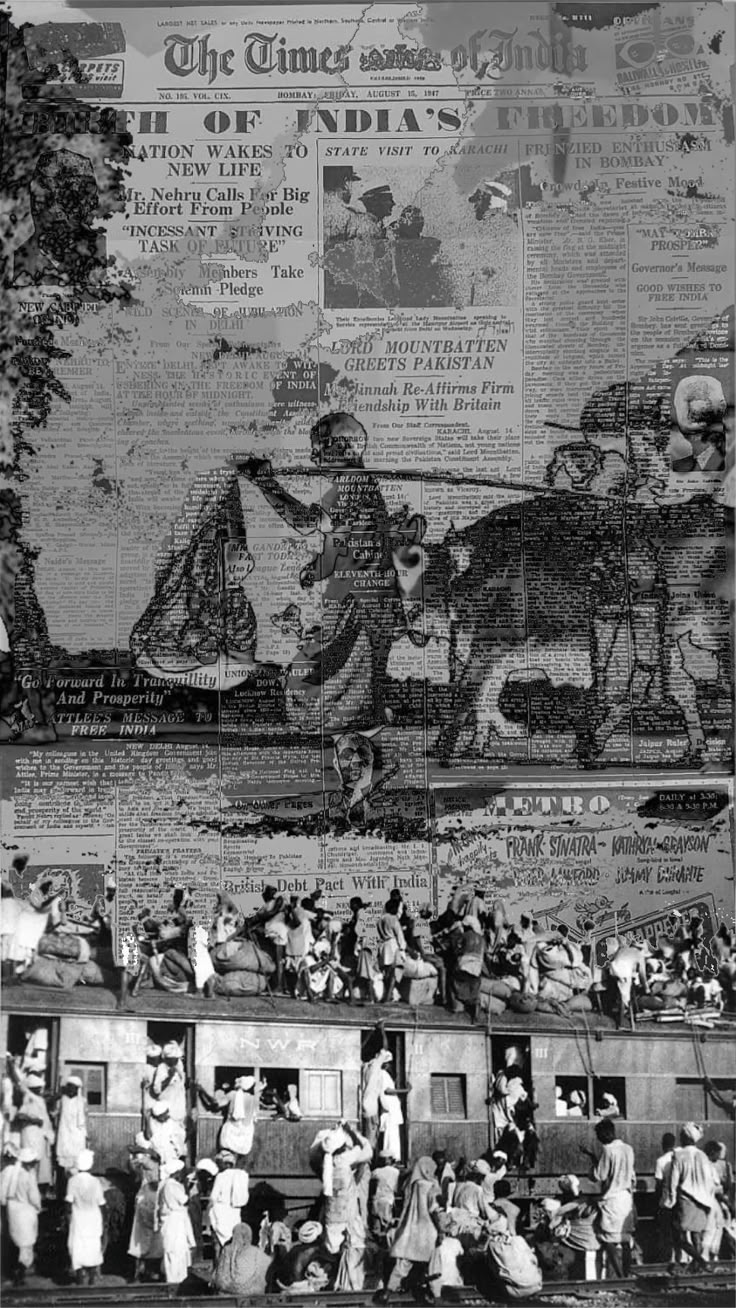
Before social media, television, and newspapers became widespread, poetry was one of the most influential ways to spread ideas. During British colonial rule, sher, shayari, nazms, and patriotic poems became the voice of resistance. They inspired courage, strengthened unity, and awakened the desire for freedom among millions.From villages to cities, from secret revolutionary meetings to public gatherings, poetry was recited to remind people that freedom was worth every sacrifice. The pen became as powerful as the sword, and poets became silent revolutionaries whose words still echo in India’s history.
Poetry: The Emotional Weapon Against British Rule
The British controlled laws, newspapers, and public speeches, but they found it much harder to silence poetry.
Poetry carried messages in symbolic language, making it difficult for colonial authorities to suppress every verse. Sher and nazms spread rapidly through public recitations, gatherings, schools, and freedom meetings.
Even people who could not read memorized these verses and shared them with others.Poetry became a powerful tool because it reached both the educated elite and ordinary citizens alike.
How Sher and Shayari Inspired the Masses
Unlike political speeches, poetry touched the heart before the mind.
A single couplet could encourage people to sacrifice their lives for the nation, unite Hindus and Muslims, and remind Indians of their shared heritage. During protests, marches, and revolutionary gatherings, patriotic verses created an atmosphere of hope despite oppression.
Many freedom fighters carried handwritten poems in their pockets or recited them before facing imprisonment or execution.
Urdu Poetry and the Freedom Movement
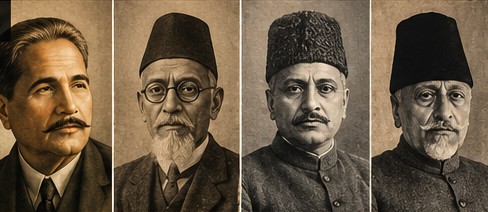
Urdu poetry played a remarkable role in uniting people across religious and regional boundaries. Mushairas often became platforms where poets expressed their love for the motherland and criticized colonial oppressi
Muhammad Iqbal
Although later associated with different political ideas, Muhammad Iqbal’s early patriotic poem remains one of the most beloved expressions of Indian unity.
“Sare Jahan Se Achha Hindustan Hamara.”
The poem inspired generations with its message of pride and togetherness.
Hasrat Mohani
Hasrat Mohani was not only a renowned Urdu poet but also an active freedom fighter. He was among the earliest leaders to demand complete independence from British rule.
His poetry reflected courage, resistance, and love for freedom.
Josh Malihabadi
Known as the “Shair-e-Inquilab,” Josh Malihabadi’s fiery poetry encouraged people to challenge injustice and fight oppression.
His revolutionary verses inspired young Indians to join the independence movement.
Maulana Abul Kalam Azad
Apart from being a prominent freedom leader, Maulana Azad’s speeches and writings carried poetic beauty. His literary style strengthened the nationalist movement and emphasized unity among Indians.
Hindi Poets Who Ignited Patriotism
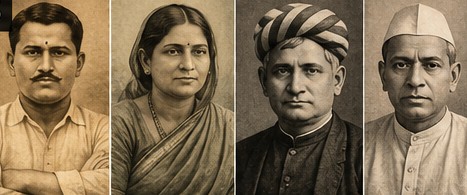
Hindi literature also became a powerful force during the freedom struggle
Ram Prasad Bismil
A revolutionary and poet, Bismil’s verses inspired countless young Indians to embrace sacrifice for the nation.His poetry continues to symbolize courage and patriotism.
Subhadra Kumari Chauhan
Her iconic poem about Rani Lakshmibai became a symbol of bravery.The poem inspired women and youth alike to participate in the struggle for independence.
Bankim Chandra Chattopadhyay
His composition “Vande Mataram” became the anthem of India’s nationalist movement.The song united millions and became one of the strongest symbols of resistance against British rule.
Maithili Sharan Gupt
His patriotic poems awakened national consciousness and reminded Indians of their glorious history.His works encouraged people to reclaim their identity and dignity.
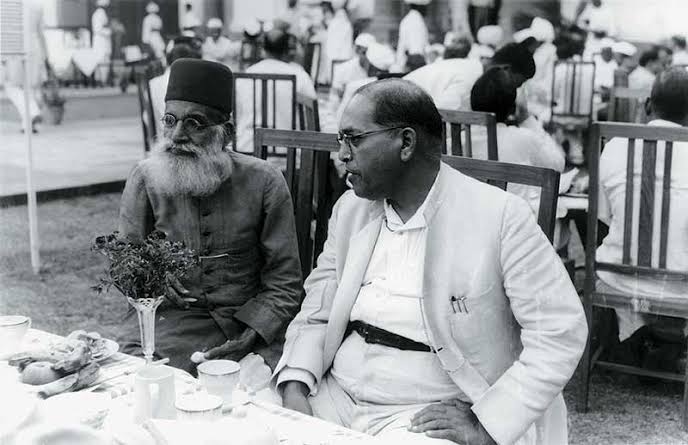
Famous Revolutionary Sher and Poetry
Some verses became immortal because they captured the spirit of sacrifice.
Ram Prasad Bismil
“Sarfaroshi ki tamanna ab hamare dil mein hai,Dekhna hai zor kitna bazu-e-qatil mein hai.”
These lines became the battle cry of revolutionaries marching toward freedom.
Muhammad Iqbal
“Mazhab nahi sikhata aapas mein bair rakhna,Hindi hain hum, watan hai Hindustan hamara.”
Ashfaqulla Khan
“Kuchh aarzoo nahin hai, hai aarzoo to yeh,Rakh de koi zara si khaak-e-watan kafan mein.“
The only wish is that a little soil of my homeland rests in my shroud.
Hasrat Mohani
“Hai mashq-e-sukhan jaari, chakki ki mashaqqat bhi,
Ek tarafah tamasha hai Hasrat ki tabiyat bhi.”
Even while enduring hardship, the poet continues writing. This reflects resilience and commitment during difficult times.
Makhanlal Chaturvedi
“Mujhe tod lena vanmali, us path par dena tum phenk,
Matrubhoomi par sheesh chadhane jis path jaayen veer anek.”
The poet wishes to be offered on the path where brave patriots sacrifice themselves for the nation.
The verse emphasized unity beyond religious differences.
Poetry in Prisons and Secret Meetings
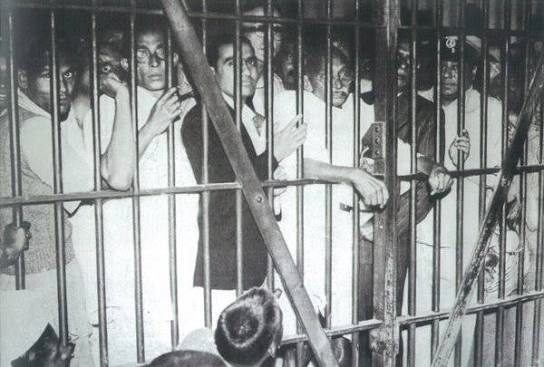
British authorities imprisoned many poets and revolutionaries, yet poetry never stopped.Freedom fighters wrote verses inside prison cells, recited poetry before executions, and secretly circulated handwritten poems among fellow revolutionaries.
These poems reminded prisoners that imprisonment was temporary, but freedom would be permanent.
Mushairas and Kavi Sammelans Became Centers of Resistance
Public poetry gatherings were more than literary events.Mushairas and Kavi Sammelans became places where patriotic ideas spread under the cover of literature.
People gathered to hear poetry, but they left with renewed determination to resist British rule.
These cultural gatherings helped keep the spirit of nationalism alive.
Why Poetry Was So Effective
Poetry succeeded because it:
- Inspired courage without weapons.
- United people across religion, language, and region.
- Spread quickly through oral traditions.Preserved revolutionary ideas despite censorship.
- Motivated ordinary citizens to join the freedom movement.
- Strengthened national identity.
- Gave hope during imprisonment and oppression.
The Lasting Legacy of Freedom Poetry
Even after India gained independence in 1947, these poems continued to inspire generations.Many patriotic verses are still recited in schools, universities, military ceremonies, Independence Day celebrations, and cultural events.
The words of these poets remind us that freedom was won not only through battles but also through ideas, literature, and the unwavering spirit of millions.
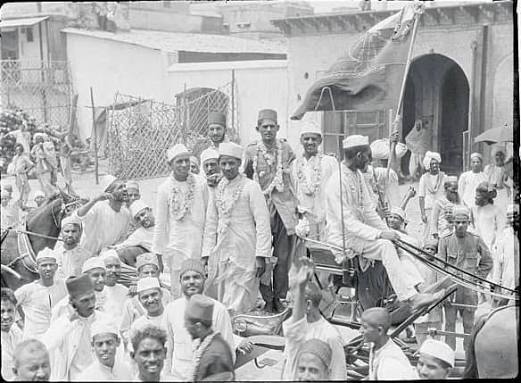
India’s independence movement was fought with courage, sacrifice, and determination—but also with words. Sher, shayari, nazms, and patriotic poetry became powerful weapons that no empire could completely silence. They united people across communities, challenged British authority, and inspired countless men and women to dream of a free nation.The legacy of these poets proves that literature can shape history. Their verses continue to remind us that while weapons may win battles, it is often words that ignite revolutions and keep the spirit of freedom alive for generations.
Umar Khan is a writer driven by curiosity and a passion for understanding the world. Through thoughtful analysis and evocative storytelling, he seeks to make complex ideas accessible, inspire meaningful conversations, and encourage fresh perspectives on the people, places, and issues that shape our shared future.