
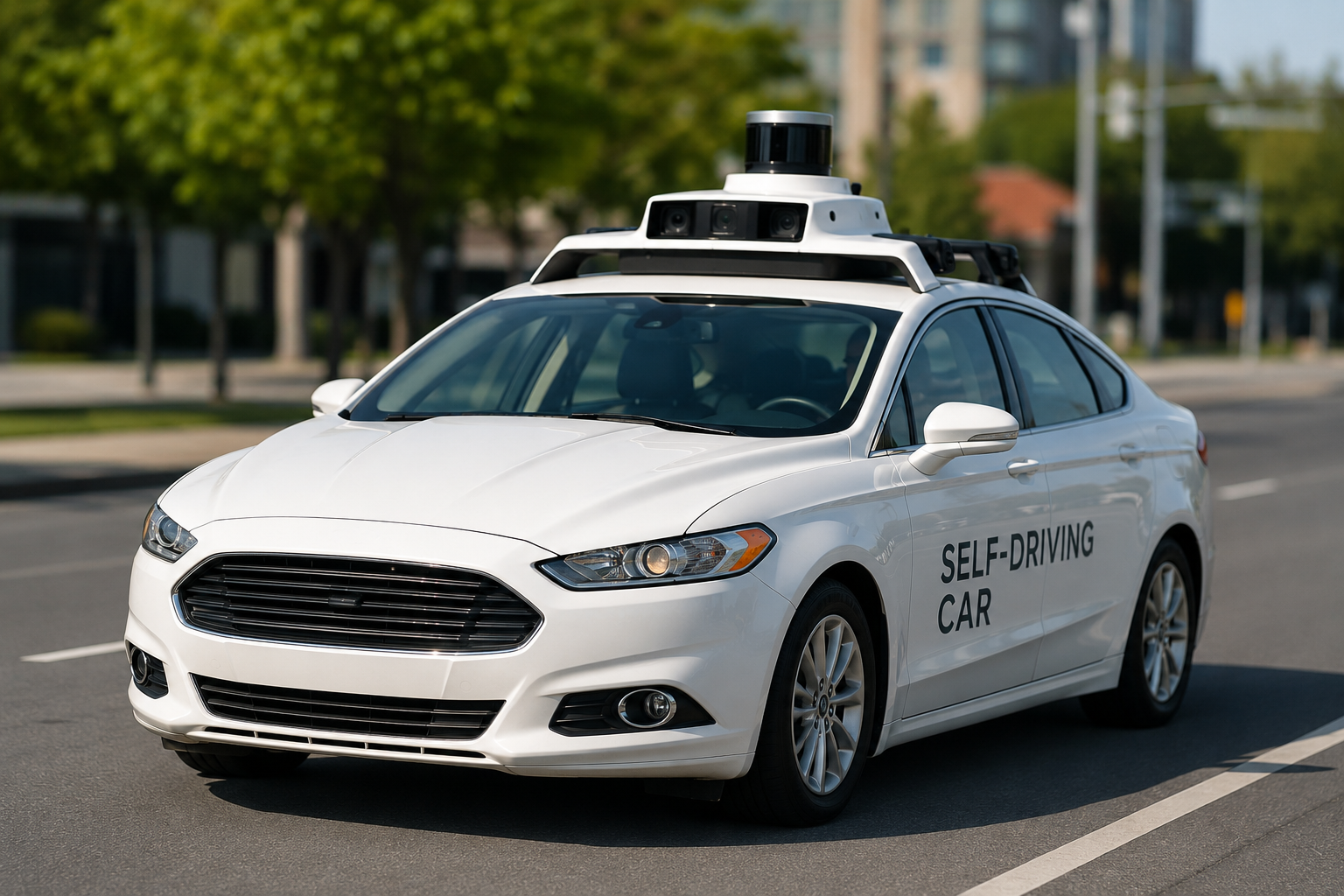
Current State of AI in Transportation
Artificial intelligence is rapidly reshaping the global transportation industry by making mobility smarter, safer, and more efficient. AI-powered technologies are already being used in traffic signal optimization, route planning, predictive vehicle maintenance, fleet management, and advanced driver assistance systems. Major technology companies and automobile manufacturers are investing billions of dollars in autonomous driving software capable of analyzing road conditions, identifying pedestrians, detecting obstacles, and making split-second driving decisions. The expansion of robotaxi services across several major cities marks an important milestone in the commercialization of self-driving technology. While many countries are accelerating real-world testing and deployment, widespread adoption still depends on regulatory approval, public confidence, and continuous improvements in AI accuracy and road safety.
Future Trends in Autonomous Vehicles
The next generation of autonomous vehicles is expected to become more intelligent, connected, and capable of operating with minimal human intervention. Future self-driving cars will combine advanced AI algorithms with high-definition mapping, real-time cloud connectivity, 5G communication, and vehicle-to-everything (V2X) technology to navigate complex urban environments more efficiently. Experts predict that robotaxi fleets, autonomous delivery vehicles, and AI-powered public transportation systems will become increasingly common over the coming decade. As machine learning models continue to improve through billions of miles of driving data, self-driving vehicles are expected to reduce accidents caused by human error while making transportation more accessible for senior citizens, people with disabilities, and those without driver’s licenses.
Urban Development and Infrastructure Changes
The growth of AI-powered autonomous transportation is expected to influence how future cities are designed and managed. Governments and urban planners are beginning to explore smart infrastructure capable of communicating directly with connected vehicles through intelligent traffic lights, digital road sensors, and real-time traffic monitoring systems. Such developments could significantly reduce traffic congestion, improve emergency response times, and optimize road usage in densely populated metropolitan areas. Cities may also redesign parking spaces, public transit networks, and road layouts to accommodate autonomous vehicles and shared robotaxi services. These infrastructure upgrades are likely to play a crucial role in creating smarter, more connected urban environments that prioritize efficiency, safety, and seamless mobility.
Sustainability and Ethical Considerations
Artificial intelligence has the potential to make transportation more environmentally sustainable by improving fuel efficiency, reducing unnecessary vehicle idling, and supporting the adoption of electric autonomous vehicles. Shared robotaxi services could decrease the number of privately owned cars on the road, helping reduce traffic congestion and lower carbon emissions over time. However, the rise of autonomous vehicles also raises important ethical and regulatory questions. Developers and policymakers must address concerns related to passenger safety, cybersecurity, data privacy, algorithmic decision-making, and legal accountability in the event of accidents. Building transparent AI systems and establishing strong regulatory frameworks will be essential to ensuring that autonomous transportation remains both innovative and socially responsible as it becomes part of everyday life.

Curated news reports, in-depth analysis, and special features by India’s Opinion editorial team.