Nandan Nilekani to Lead Centre’s High-Powered Exam Reform Panel
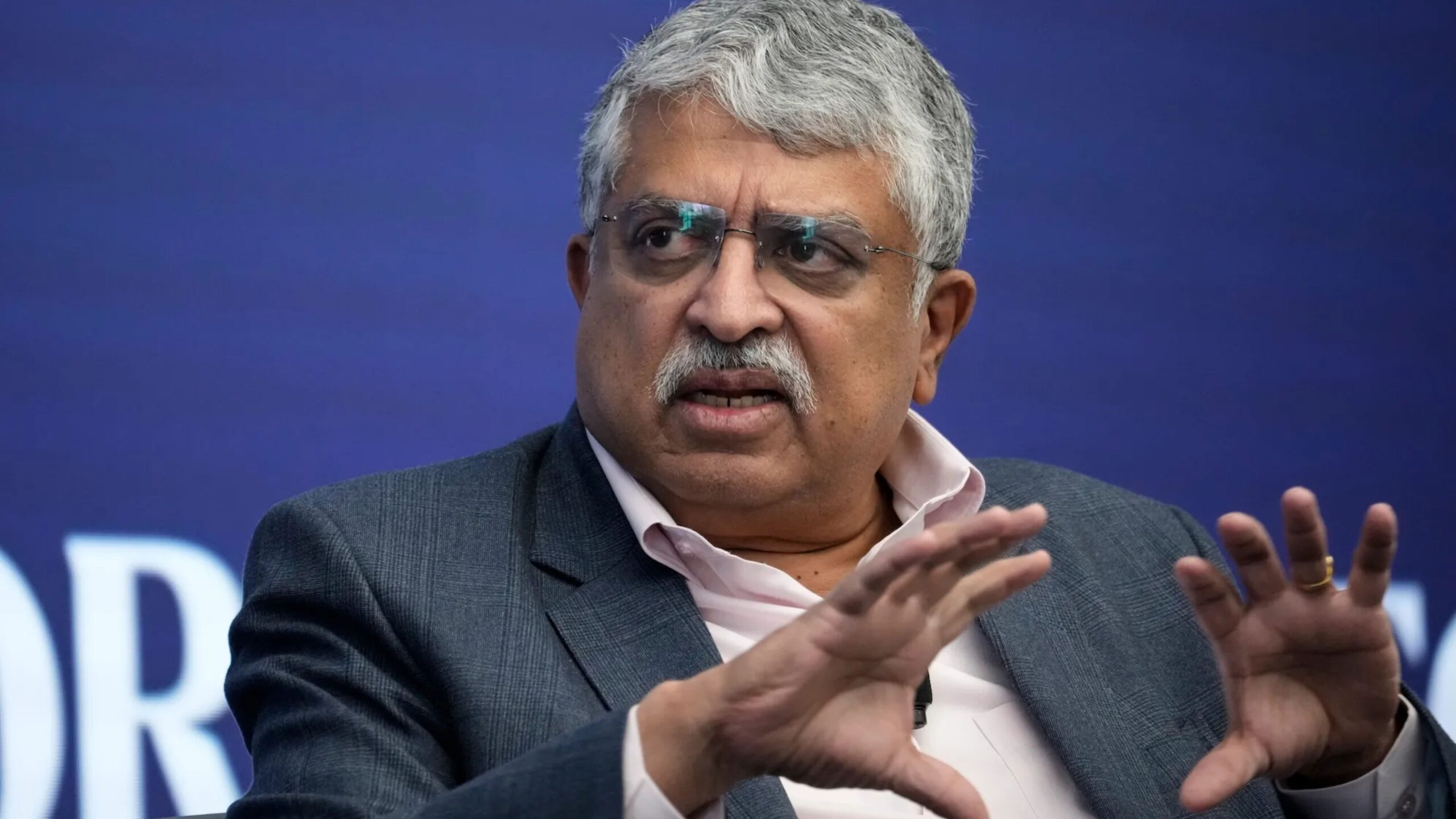
In a major move aimed at restoring confidence in India’s examination system, Prime Minister Narendra Modi has constituted a high-powered task force under the leadership of Infosys co-founder and Aadhaar architect Nandan Nilekani. The panel has been entrusted with recommending comprehensive reforms to make public examinations more transparent, secure and technology-driven.
The announcement comes in the wake of nationwide outrage over repeated examination paper leaks and concerns surrounding the functioning of the National Testing Agency (NTA). The task force is expected to submit recommendations that will shape the future of India’s public examination ecosystem, including exams such as NEET, JEE and CUET.
Who Are the Members of the Exam Reform Task Force?
The six-member panel brings together experts from technology, education, science, security and governance.
1. Nandan Nilekani, Chairman
Infosys co-founder and the architect of Aadhaar, Nandan Nilekani will chair the committee. Widely regarded as one of India’s foremost technology leaders, Nilekani is expected to drive digital reforms that strengthen examination security, improve transparency and reduce the scope for malpractice through technology-enabled systems.
2. Dr S. Somnath
Former Chairman of the Indian Space Research Organisation (ISRO), Dr S. Somnath brings expertise in engineering, large-scale technology management and precision systems. His experience is expected to help build robust and secure examination infrastructure.
3. Tapan Deka
Former Director of the Intelligence Bureau, Tapan Deka has decades of experience in internal security and intelligence. His inclusion is aimed at strengthening mechanisms to prevent organised paper leak networks, cyber threats and examination fraud.
4. Prof. V. Kamakoti
Director of IIT Madras, Prof. V. Kamakoti is a noted computer scientist and academic administrator. He is expected to contribute to reforms related to examination design, digital assessment systems and the integration of emerging technologies into public examinations.
5. Anita Karwal
Former Secretary in the Ministry of Education, Anita Karwal has played a key role in implementing major education policies. Her administrative experience is likely to help the committee recommend practical reforms that can be implemented efficiently across the country’s education system.
6. Amrit Lal Meena
Senior bureaucrat and logistics expert Amrit Lal Meena completes the panel. His experience in governance and large-scale administrative operations is expected to support reforms in examination management and execution across states.
Why Was the Task Force Formed?
The Centre’s decision follows months of criticism over recurring paper leaks and irregularities in competitive examinations. Public anger intensified after controversies surrounding national entrance examinations, prompting calls for structural reforms and greater accountability.
Prime Minister Modi said the government wants India’s examination system to become more reliable, transparent and technology-driven. He also indicated that the government is preparing stricter legal provisions against examination-related offences, alongside institutional reforms recommended by the new panel.
What Will the Task Force Do?
The committee has been tasked with:
- Recommending structural reforms to India’s examination system.
- Enhancing the use of technology to prevent paper leaks and malpractice.
- Improving transparency and credibility in public examinations.
- Suggesting reforms for the National Testing Agency (NTA).
- Developing secure systems for conducting high-stakes examinations nationwide.
Why This Matters
The credibility of competitive examinations affects millions of students every year. With increasing concerns over paper leaks and examination fraud, the success of this task force could determine how India modernises its testing infrastructure for the next generation.
If implemented effectively, the panel’s recommendations could significantly strengthen public trust in examinations while ensuring greater fairness, transparency and security across the country’s education system.

Curated news reports, in-depth analysis, and special features by India’s Opinion editorial team.