
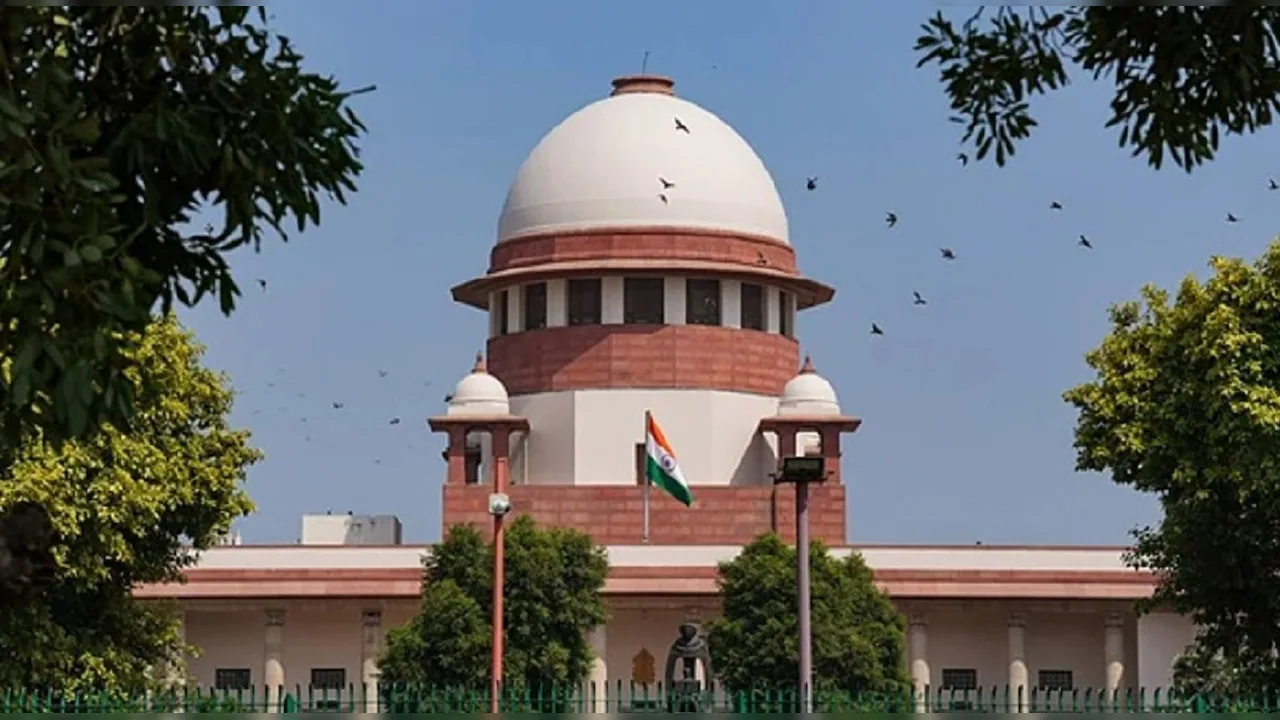
The Supreme Court on Monday declined to grant an interim stay on the central government’s decision to impose charges on high-value commercial UPI payments. The court, however, issued notice to the Union government, seeking a formal response explaining the move.
The legal challenge targets recent Union Ministry of Finance notifications that introduce a 0.4 percent Merchant Discount Rate (MDR) on specified person-to-merchant (P2M) payments above Rs 2,000. These charges are scheduled to take effect from October 15, as reported by The New Indian Express.
Bench Seeks Explanation but Declines Interim Relief
A Bench headed by Chief Justice Surya Kant heard the writ petition challenging the Gazette notifications. The petitioners argued that introducing fees on UPI transactions reverses India’s digital payment push and harms small businesses.
Despite these objections, the Bench refused to stall the framework before hearing the government. As detailed by LiveLaw, the apex court directed the Centre to place its rationale on record while keeping the rollout timeline intact.
The court noted that economic policy decisions require detailed institutional review before judicial interference can be considered.
Centre Defends Move to Support Digital Infrastructure
During the hearing, the Centre defended the upcoming framework. Government counsel submitted that the charges are narrow in scope and will not impact the overwhelming majority of digital transactions across the country.
The government informed the court that 96 percent of UPI users and routine everyday payments will remain entirely exempt from the levy, according to The Times of India. The fee applies only to commercial merchant payments exceeding the Rs 2,000 threshold, leaving peer-to-peer (P2P) transfers free.
Officials maintain that maintaining payment gateways, servers, and cybersecurity defenses requires sustainable long-term funding.
Concerns Raised Over Digital Adoption and Merchant Costs
The petition contends that reintroducing transaction fees creates an unnecessary friction point for merchants and consumers alike.
Critics claim the levy contradicts previous policy commitments ensuring zero MDR on indigenous payment systems. Legal representatives for the petitioner emphasized that merchant resistance could lead to cash preference in larger retail purchases. Reports from The Indian Express and Hindustan Times highlight that trade bodies fear the cost may ultimately get passed down to end consumers.
What Lies Ahead for UPI Users
With the Supreme Court refusing to put the rules on hold, banks and payment aggregators are preparing systems for the October 15 launch date.
Ordinary users sending money to family, splitting personal bills, or buying groceries below Rs 2,000 will face zero deductions. The Centre must now file its counter-affidavit detailing revenue models and safeguards before the matter returns to the Supreme Court for further hearing.

Curated news reports, in-depth analysis, and special features by India’s Opinion editorial team.