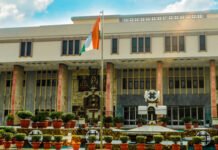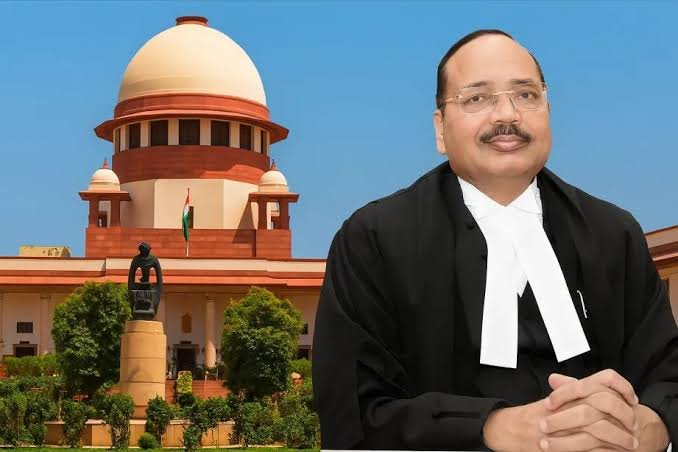
In a significant constitutional development, the Supreme Court has cancelled a scheduled meeting with a parliamentary committee examining proposed laws on simultaneous elections. The interaction was originally slated to take place at the apex court on October 6.
The decision follows strong concerns regarding the constitutional doctrine of separation of powers. Furthermore, lawmakers and legal experts warned that sitting judges cannot advise a legislative committee on draft bills that may later face judicial review, according to a report by The Hindu.
Planned Interaction Over Constitutional Amendments
The parliamentary panel is currently scrutinizing key constitutional amendment bills intended to implement the “One Nation, One Election” framework across India. The committee had requested an informal interaction with the Chief Justice of India and fellow judges.
The panel hoped to understand judicial perspectives on federalism, state legislative tenures, and legal challenges. However, the proposed meeting sparked immediate friction inside the committee.
Several opposition parliamentarians formally objected to the itinerary. They argued that lawmakers must debate legislative proposals inside Parliament rather than seeking pre-legislative guidance from the judiciary, as detailed by The New Indian Express.
Separation of Powers and Judicial Neutrality
Under the Indian Constitution, the legislature, executive, and judiciary operate within clearly defined institutional boundaries. The judiciary evaluates the constitutional validity of laws only after Parliament enacts them.
Legal scholars pointed out that simultaneous election amendments will inevitably face challenges before the Supreme Court on basic structure grounds. Therefore, any prior informal dialogue between drafting lawmakers and sitting judges could compromise judicial neutrality.
Consequently, both the court administration and committee leadership agreed to drop the proposed visit, as highlighted in a constitutional explainer by The Hindu.
Parliamentary Panel to Rely on Legal Experts
With the Supreme Court visit shelved, the parliamentary committee will adjust its consultation roadmap.
The panel will continue taking formal depositions from constitutional scholars, former judges, and state election officials in committee rooms. In addition, the committee will invite representations from recognized national and regional political parties to record diverse viewpoints on electoral synchronization.
As a result, the committee ensures that its review process remains strictly within standard parliamentary procedures.
Preserving Institutional Firewalls
The cancellation of the meeting reaffirms the essential independence of India’s highest court.
By maintaining distance from the legislative drafting process, the Supreme Court preserves its authority to adjudicate future constitutional challenges without perceived bias.
Ultimately, the episode underscores that while electoral reforms remain a key national debate, constitutional checks and balances must always take precedence.

Curated news reports, in-depth analysis, and special features by India’s Opinion editorial team.