
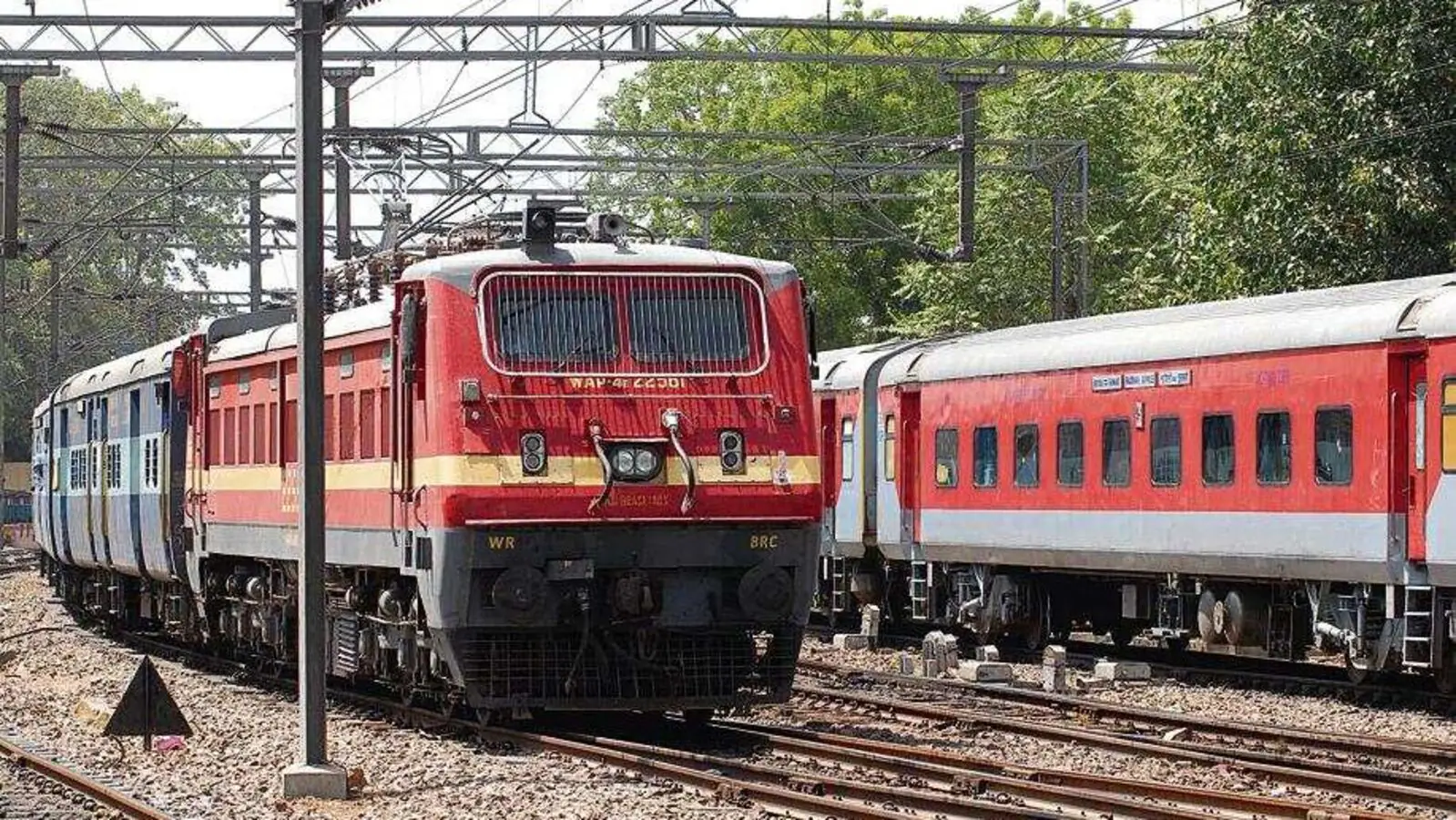
Indian Railways has arrived at the final frontier of its historic green mobility mission. The national transporter has now energized over 99.7 percent of its vast broad gauge network, leaving only 191 Route Kilometres (RKM) left to complete across three states.
The achievement represents the fastest railway electrification program ever executed by any major economy. Furthermore, the rapid transition to electric traction significantly strengthens national energy security while lowering carbon emissions, according to an infrastructure report by The Indian Express.
Closing the Final 191-Kilometre Gap
Over the past decade, Indian Railways transformed thousands of diesel corridors into high-speed electric tracks. Most railway zones and northern states have already completed full 100 percent electrification.
Work on the final 191 kilometres is proceeding at a rapid pace across difficult terrain sections. Dedicated construction teams are erecting steel traction masts, laying sub-stations, and pulling catenary cables to finish the remaining stretches before the year ends.
Consequently, rail planners expect the broad gauge network to operate entirely under electric power within months, eliminating the need for fossil-fuel locomotives.
Huge Reductions in Fuel Imports and Operating Expenses
Replacing imported diesel with domestic electricity delivers massive economic windfalls to the national exchequer. Historically, diesel traction drained thousands of crores of rupees every year in foreign exchange outflows.
Electric engines now haul nearly all passenger and freight traffic across the country. In addition, electric trains accelerate faster, handle heavier freight tonnage, and avoid operational delays caused by changing engines at non-electrified junctions.
Therefore, transitioning to electric power saves the railway system more than ₹15,000 crore annually in fuel expenditure alone.
Driving India’s Net-Zero Carbon Vision for 2030
The electrification push supports India’s broader environmental commitments under international climate agreements. Indian Railways aims to become the world’s largest net-zero carbon emitter network by 2030.
To power the growing electric fleet sustainably, the transport ministry is installing large solar power farms along vacant trackside land. Meanwhile, modern electric locomotives use regenerative braking systems that feed surplus power back into the national electrical grid.
As a result, the national transporter is systematically decoupling freight logistics from polluting fossil fuels.
Seamless Travel for High-Speed Trains
Completing full electrification provides seamless operational runways for premium passenger services. Semi-high-speed rakes like the Vande Bharat Express and Amrit Bharat trains can run between distant state capitals without route interruptions.
Furthermore, heavy freight corridors can operate dual-stack container trains under specialized high-rise overhead wires.
Ultimately, crossing this 191-kilometre finish line cements India’s global standing as a world leader in clean, energy-efficient public transport infrastructure.

Curated news reports, in-depth analysis, and special features by India’s Opinion editorial team.