
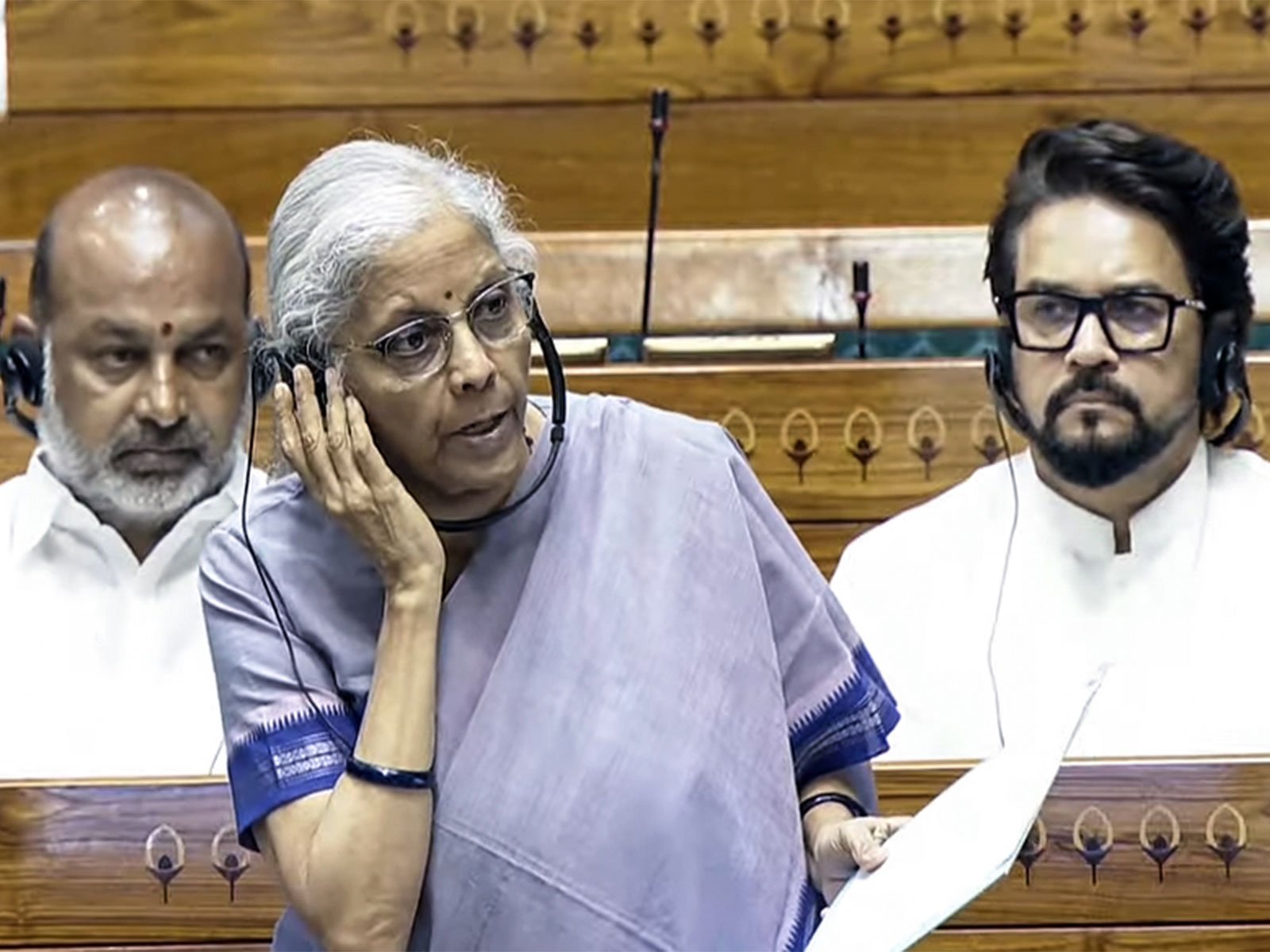
The Lok Sabha passed the Taxation and Other Laws Amendment Bill 2026 on Thursday. The government designed this new law to attract foreign capital, build modern factories, and draw global fund managers to India. At the same time, the law brings important updates that affect everyday citizens across the country.
Proposed Changes for UPI and Card Payments
Right now, shopkeepers pay no extra fees when customers use UPI or RuPay cards. Banks cannot charge a Merchant Discount Rate because the government waived these fees in 2020. This zero-fee rule helped UPI grow rapidly across the nation.
However, the new bill removes the legal ban that prevents banks from charging these fees in the future. The law does not introduce any instant payment charges today. Instead, it allows the government to notify specific charges at a later date.
Experts note that banks will likely target large commercial merchants rather than small shopkeepers. Therefore, your routine payments to local vegetable sellers and tea stalls will stay completely free.
Major Incentives to Attract Foreign Capital
The largest portion of the bill focuses on making India a welcoming destination for global investors. Previously, foreign fund managers faced heavy tax risks if they relocated their offices to India.
The new law simplifies these strict conditions so managers can operate locally without fearing unexpected taxes. Consequently, this change will create new jobs and bring fresh capital into Indian financial markets.
Small retail investors also receive positive news under the new law. Dividends from Real Estate Investment Trusts and Infrastructure Investment Trusts will remain tax-free for individual investors.
Furthermore, the government extended tax breaks by ten additional years for foreign companies supplying machinery to electronic factories. As a result, phone and laptop makers can expand local production, create manufacturing jobs, and lower device costs over time.
In addition, foreign diamond traders and cloud service providers running data centers in India will receive fresh tax exemptions. Tax expert Richa Sawhney from Grant Thornton Bharat highlighted that the bill shifts policy from short-term relief to long-term competitiveness.
She stated that these amendments provide clear tax certainty, strengthen global supply chains, and make it easier for global businesses to invest in India.

Curated news reports, in-depth analysis, and special features by India’s Opinion editorial team.