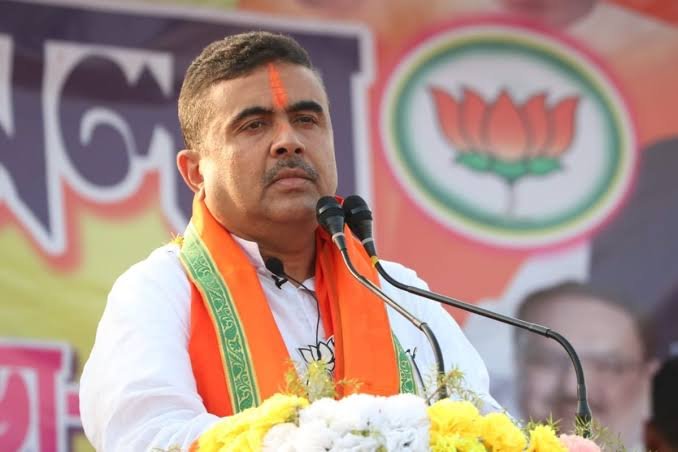
West Bengal Chief Minister Suvendu Adhikari launched the self-enumeration process for the 2027 Census on Saturday in Bidhannagar. This marks the start of India’s first fully digital census. Meanwhile, the facility will remain open on the census website from August 1 to August 15.
Addressing reporters after the launch, Adhikari struck a firm tone on a subject he has raised repeatedly since taking office. This subject is infiltration and its effect on the state’s demographics. “It is our duty to implement the guidelines and directions issued by the Census Authority of India. This is a constitutional responsibility being followed across the country, not just in West Bengal,” he said. He added that the state government would not deviate from the Centre’s guidelines.
A Census Rolling Out Nationwide
Bengal isn’t alone in this rollout. The first phase of Census 2027 has already been completed in 29 states and Union Territories. Tamil Nadu and Tripura began their Phase-I operations on Friday, a day before West Bengal’s launch.
What sets this census apart from previous ones is the technology behind it. For the first time, the exercise is being conducted using digital tools, including a dedicated mobile application. Nevertheless, it still retains the traditional door-to-door enumeration that has defined India’s census process for decades.
The self-enumeration window running through August 15 is only the first step. Once it closes, Phase-I house-listing operations will begin across the state, running from August 16 to September 14. During this phase, enumerators will visit households directly and collect information using a structured questionnaire covering 33 notified questions.
A 24/7 national helpline, number 1855, has been set up for citizens with queries about the process. For questions specific to West Bengal, the Directorate of Census Operations has also made a separate local number available.
Adhikari’s Comments on Infiltration
Adhikari’s remarks on infiltration weren’t limited to Saturday’s launch event. Earlier this year, while inaugurating the Principal Census Officers’ Conference at the state secretariat, Nabanna, he expressed concern over infiltration in the state. He also discussed the demographic shifts he says it has caused.
He placed the blame squarely on the previous TMC administration, saying it had failed to act on the infiltration issue despite receiving timely letters from the Centre. Moreover, the administration had not initiated census operations during its tenure. He attributed the demographic changes to inadequate fencing along the state’s borders. In fact, he noted that border districts have been affected the most.
Adhikari said the data collected through the census would feed directly into policymaking and the design of welfare schemes going forward. He also pointed to concrete steps already taken on the border issue. In detail, he said the state government has begun handing over land to the Border Security Force for fencing along the Indo-Bangladesh border.
A Change in Power That Set the Stage
Adhikari’s position as Chief Minister itself reflects a major shift in Bengal’s politics. The BJP won a majority in the state assembly in the 2026 elections, ending the Trinamool Congress’s 15-year hold on power. Adhikari, once a TMC leader and a close aide of Mamata Banerjee before switching to the BJP, took over as Chief Minister on May 9, 2026.
That political turnover is part of why this census carries extra weight in Bengal. A process typically framed as routine constitutional duty is unfolding under a government that has made infiltration and border security central themes of its politics. This is especially true in a state that shares a long, porous border with Bangladesh.
With self-enumeration open until August 15 and house-listing operations set to follow through mid-September, the coming weeks will show how smoothly Bengal’s rollout of India’s first digital census actually goes.
Whether the process stays confined to its stated administrative purpose, or becomes entangled with the political debate over infiltration that Adhikari has already put front and centre, will likely shape how the exercise is perceived across the state’s border districts in particular.

Curated news reports, in-depth analysis, and special features by India’s Opinion editorial team.