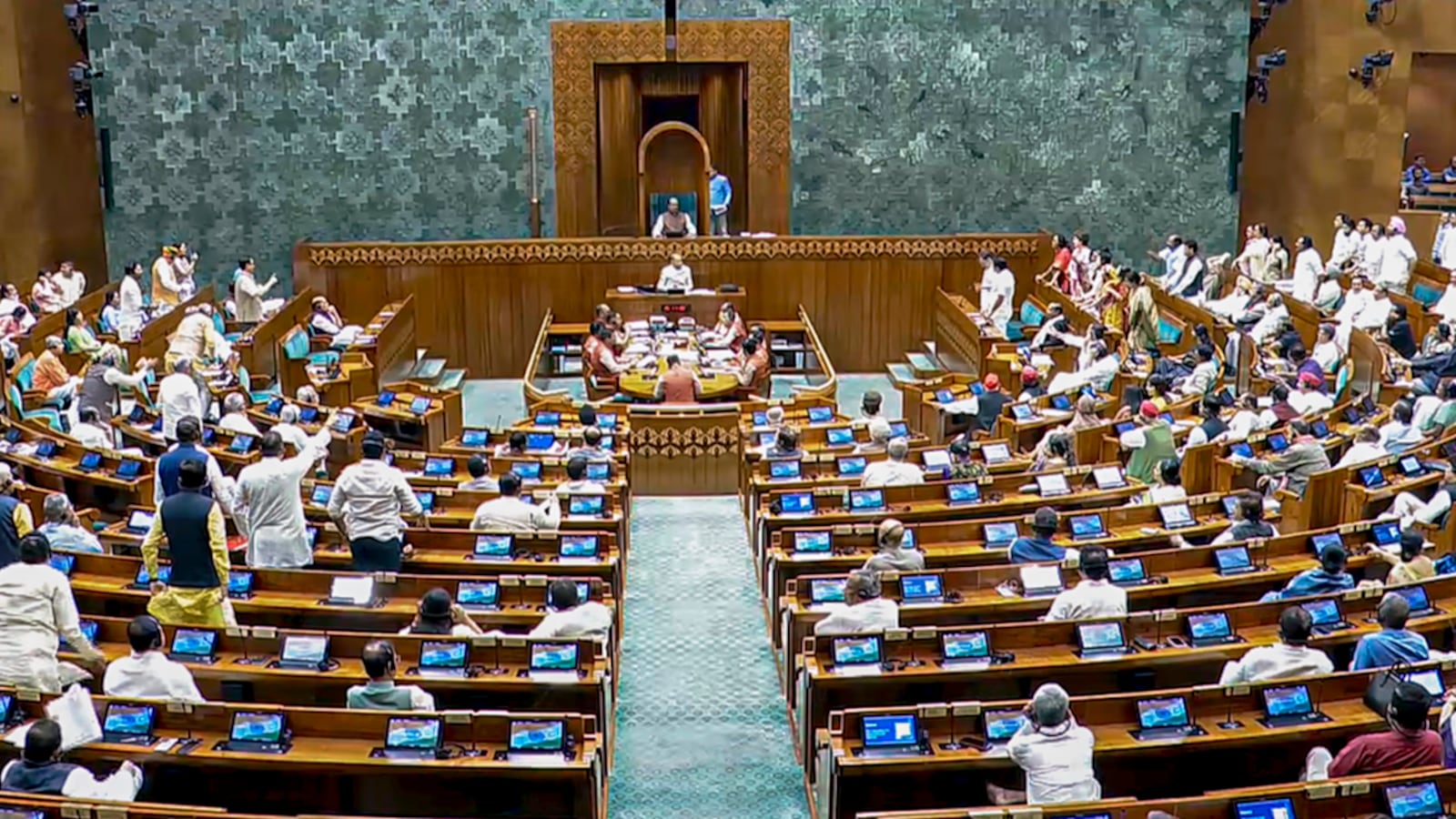
The presiding officers of Parliament have announced a major restructuring of department-related parliamentary standing committees. The reorganization delivers a significant institutional blow to the Trinamool Congress (TMC), which has lost the chairpersonship of both committees it previously headed.
The move significantly curtails the opposition party’s ability to guide legislative scrutiny in New Delhi. Furthermore, the ruling Bharatiya Janata Party (BJP) expanded its footprint across key oversight panels, according to a report by The Hindu.
Sudhanshu Trivedi Takes Over the Commerce Panel
The most high-profile leadership change occurred in the Parliamentary Standing Committee on Commerce. BJP MP and national spokesperson Sudhanshu Trivedi has taken over as the new committee chairperson, replacing Trinamool MP Dola Sen.
The commerce committee holds extensive jurisdiction over national industrial policy, foreign trade negotiations, and domestic market regulations. In addition, parliamentary administrators reallocated the second standing committee previously chaired by the TMC to ruling coalition partners.
Consequently, the Trinamool Congress now holds zero committee gavels despite remaining the second-largest opposition contingent in Parliament, as detailed by The New Indian Express.
National Democratic Alliance Consolidates Oversight Power
The updated rosters strengthen the ruling coalition’s management over parliamentary review processes. Floor managers distributed key panel chairmanships among senior BJP lawmakers and regional allies like the Telugu Desam Party (TDP) and Janata Dal (United).
Meanwhile, the main opposition Congress party retained three committee chairmanships covering social welfare and administrative areas.
However, presiding officers left smaller regional opposition groups with minimal committee influence. Therefore, government representatives argued that the reconstitution strictly mirrors current floor arithmetic and member attendance, according to coverage by Business Standard.
Trinamool Condemns Breakdown of Parliamentary Norms
The leadership changes drew an immediate and fierce reaction from Trinamool leaders in Kolkata and New Delhi. Party spokespersons described the exclusion as a calculated attempt to silence a vocal opposition force.
TMC leaders pointed out that long-standing parliamentary conventions entitle major opposition parties to proportional representation on committee benches. Furthermore, they alleged that the government is systematically weakening institutional checks and balances on trade and industry policies.
As a result, Trinamool lawmakers stated that they will stage coordinated protests when both houses convene for the upcoming winter session.
What the Reorganization Means for Legislative Scrutiny
Department-related standing committees serve as critical watchdogs over central government operations. They review complex legislative bills, examine ministry budgets, and conduct investigative hearings on public policy.
Removing the Trinamool Congress from committee leadership shifts the balance of legislative review firmly toward the treasury benches. Meanwhile, the BJP gains direct oversight over commerce, logistics, and industrial regulations.
Ultimately, this contentious reorganization will likely intensify floor confrontations between the government and opposition benches in the coming months.

Curated news reports, in-depth analysis, and special features by India’s Opinion editorial team.