
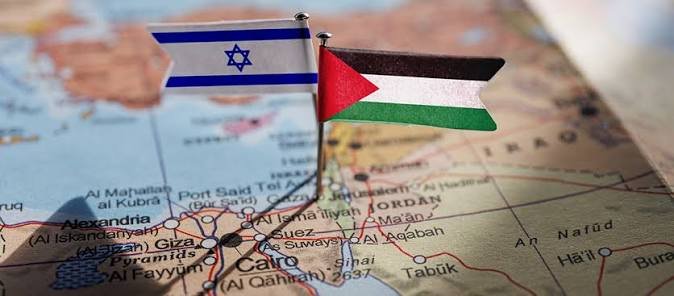
Israel Gaza Land Barriers Expand Across Central Gaza
The Israel Gaza land barriers consist of long earthen embankments built along what Israeli officials describe as a security zone. Analysis of satellite imagery indicates that more than 23 kilometres of the barrier have already been constructed. These structures separate Israeli-controlled areas from the remainder of Gaza. The barriers follow the so-called “yellow line”, a military demarcation established after the ceasefire agreement. However, the line was expanded as Israeli forces increased their presence.
Israel says the measures are intended to improve security, prevent militant infiltration and protect its forces operating inside Gaza. Military officials have argued that demolitions and earthworks target areas previously used by Hamas for military infrastructure.
Families Face Repeated Displacement
For many Palestinian civilians, the Israel Gaza land barriers have become another obstacle in an already prolonged humanitarian crisis. Residents in neighbourhoods including Zeitoun, Shejaia, Khan Younis and Rafah report receiving evacuation warnings before Israeli forces move forward. As a result, families are forced to relocate repeatedly with few belongings.
Aid organisations say repeated displacement has left thousands living in overcrowded tent camps with limited access to clean water, healthcare and sanitation. Meanwhile, humanitarian agencies continue to warn that frequent evacuations make relief operations increasingly difficult.
Debate Over Gaza’s Future
The Israel Gaza land barriers have also fuelled political debate about whether the military zones could become permanent. Some analysts and Palestinian officials argue that the expanding barriers may reshape Gaza’s geography. In addition, the barriers could complicate future negotiations over territory and governance. Israel has not announced that the barriers represent a permanent border. It maintains that its actions are driven by security requirements.
The issue remains highly contested. Human rights groups have expressed concern that continued expansion could deepen displacement and restrict civilian movement. Meanwhile, Israeli authorities argue that security measures remain necessary following the Hamas-led attacks of October 2023.
International Attention Grows
The United Nations and humanitarian organisations continue to monitor conditions in Gaza as concerns over civilian protection and humanitarian access persist. Diplomatic efforts involving regional and international mediators remain focused on maintaining ceasefire arrangements. They also work to increase aid deliveries and advance discussions on Gaza’s long-term governance.
Whether the barriers remain temporary military infrastructure or evolve into a lasting feature of the territory will likely depend on future negotiations, security conditions and political agreements. For now, the continuing displacement of civilians remains at the centre of international concern.
Humanitarian Access Remains a Major Concern
Humanitarian agencies say the changing security situation continues to complicate aid operations across Gaza. The United Nations has repeatedly called for safe and sustained access so food, medical supplies and fuel can reach civilians in need. Aid organisations argue that damaged roads, movement restrictions and recurring evacuation orders have slowed relief efforts. Even as international donors pledge additional assistance, Israeli authorities say they coordinate humanitarian deliveries while balancing security concerns. However, the scale and consistency of aid access remain the subject of international debate.

Curated news reports, in-depth analysis, and special features by India’s Opinion editorial team.