
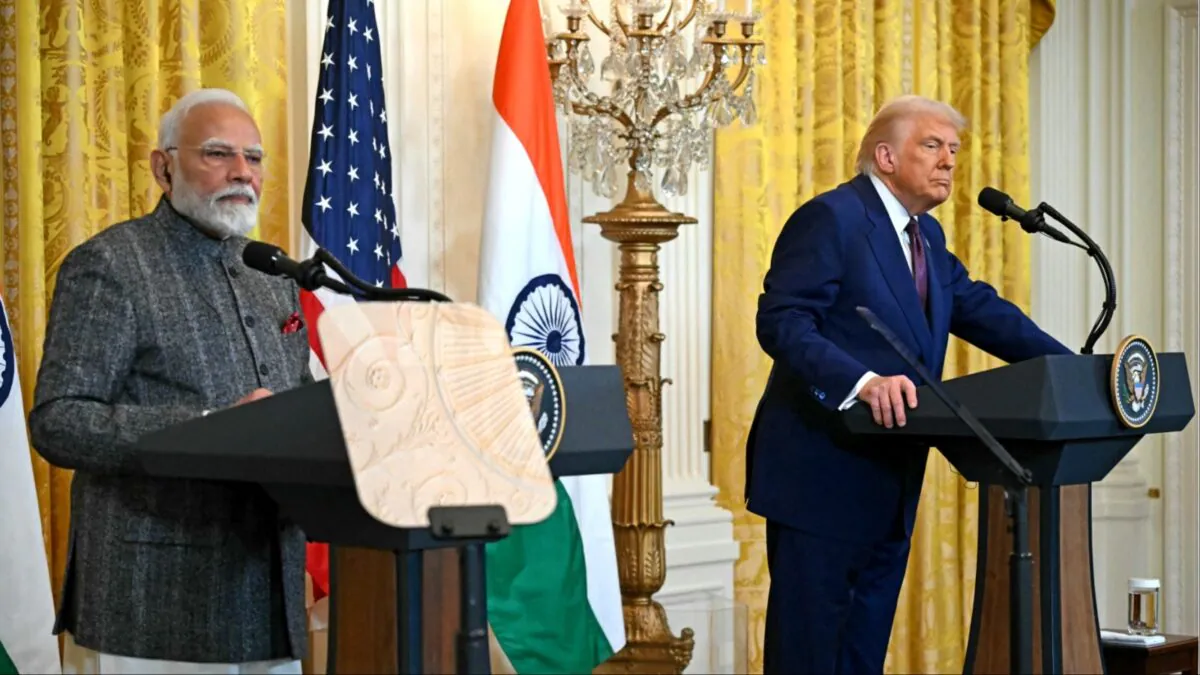
The US Senate passed a bill on Friday. It could slap tariffs of up to 100 percent on India, China and three other countries. The reason: their purchases of Russian oil and gas. Lawmakers say the goal is simple. Squeeze Moscow’s war financing in Ukraine.
The vote was overwhelming. 86 in favour, 11 against. The bill now carries a new name too. It’s called the Lindsey O. Graham Sanctioning Russia and Iran Act of 2026. Graham was the Republican senator who wrote and pushed the bill. He died on July 11, right after visiting Kyiv.
Why This Matters for India
India buys more Russian crude than almost anyone. Only China buys more. That makes this bill a direct threat. Indian exports to the US already face a 50 percent tariff, in place since August 2025. This bill could pile more on top.
The legislation gives President Donald Trump the power to act. He can impose tariffs up to 100 percent. The target: the five biggest importers of Russian oil and gas. That’s China, India, Azerbaijan, Hungary and Slovakia.
The bill does more than tariffs. It pushes back the expiry date of the Iran Sanctions Act of 1996. That law penalises companies investing in Iran’s energy sector. Its new deadline: 2031.
The bill also hits Russian President Vladimir Putin with fresh sanctions. Russian oligarchs, senior officials and Kremlin-linked financial institutions get the same treatment.
One thing to note. Tariffs don’t kick in automatically. The bill gives the President discretion. Whether they actually happen depends on the final legal text and what the executive branch decides once it becomes law.
Why Is India in the Crosshairs?
India’s reliance on Russian crude isn’t new. It grew after the Ukraine war reshaped global energy markets back in 2022. Discounted Russian oil helped Indian refiners cut costs and lock in steady supply.
Then came another push factor. Conflict in West Asia disrupted shipping through the Strait of Hormuz. That made Indian refiners lean even harder on Russian oil.
Washington already acted once. In August 2025, it added a 25 percent tariff on Indian goods over Russian oil purchases. Combined with existing tariffs, some Indian exports now face 50 percent duties.
Did that slow India down? No. Indian imports of Russian crude actually rose through 2026. June alone saw a 34 percent jump, hitting record levels. This came right after Washington briefly eased restrictions with a waiver during the Iran conflict.
New Delhi has stuck to one line throughout. Its energy purchases serve national interest and energy security. Expect that same argument if this bill moves forward.
What Lawmakers Are Saying
Darline Graham now holds her late brother’s Senate seat. She framed the bill as a choice. Countries “keeping Russia’s economy afloat,” she said, must pick a side: do business with America, or keep buying cheap Russian energy.
Senator Richard Blumenthal, a Democrat, worked with Graham on this bill. He said Graham would be “proud of what we’ve done.” The sanctions and tariffs, he added, would stop those complicit in Russia’s war against Ukraine.
Not everyone agrees. Democratic Congressmen Gregory Meeks and Don Beyer raised a different concern. They warned the bill hands Trump sweeping new tariff powers, powers he “could weaponise with abandon, as he has repeatedly done in the past.”
Their argument: this lets Trump dodge real accountability for Russia while feeding his other trade fights. American consumers, they say, would foot the bill.
There was pushback earlier in the debate too. Republican Senator Rand Paul and Democratic Senator Ron Wyden both opposed the 100 percent tariff provision, though for strategic reasons. Their worry: it could strain the US-India relationship without actually changing what India does on energy.
What Happens Next
The bill isn’t law yet. It heads to the House of Representatives next. The House won’t take it up until it returns on August 31. It needs House approval first, then it goes to the President for signature.
There’s also talk of carve-outs. Blumenthal has floated the idea before. Countries buying only limited volumes of Russian gas could get exemptions, under certain conditions.
Whatever those final exemptions look like will decide how hard this bill actually hits India once it becomes law.

Curated news reports, in-depth analysis, and special features by India’s Opinion editorial team.