
The History of Japanese Ukiyo-e is more than the story of a famous art style. It traces how a distinctive form of woodblock printing emerged in Japan and reshaped artistic traditions across continents. Created during the Edo period, Ukiyo-e celebrated everyday life, famous actors, beautiful landscapes and seasonal beauty. Centuries later, its bold compositions and vibrant colours continue to inspire painters, designers, illustrators and digital artists around the world.
The History of Japanese Ukiyo-e Begins in Edo Japan
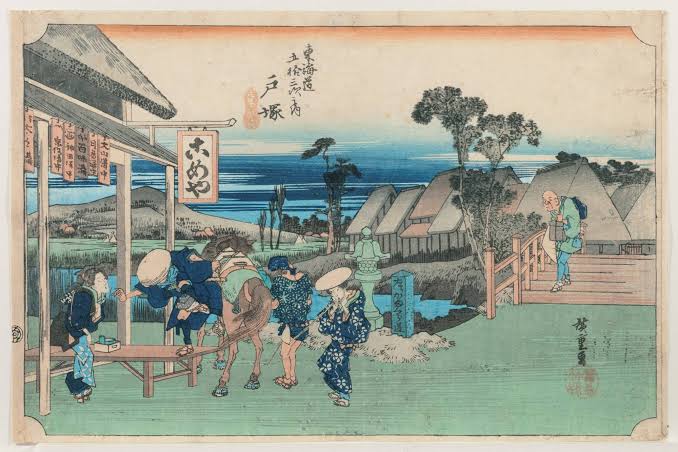
The History of Japanese Ukiyo-e began in the early 17th century, when Japan entered the peaceful Edo period under the Tokugawa shogunate. Growing cities such as Edo, now Tokyo, witnessed the rise of a prosperous merchant class with a growing appetite for affordable art.
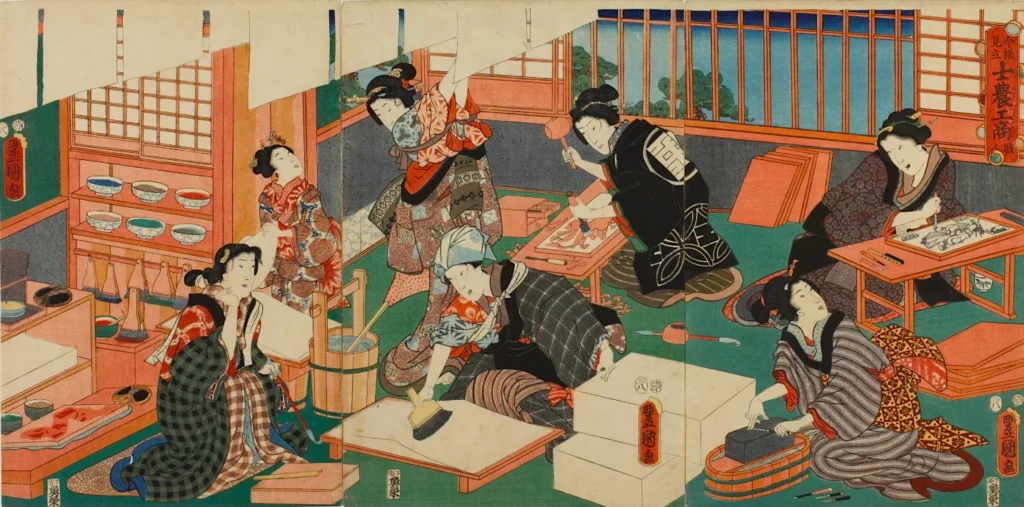
The word “Ukiyo-e” translates as “pictures of the floating world.” Artists captured scenes from theatres, festivals, teahouses, gardens and daily urban life. Skilled craftsmen carved intricate wooden blocks, while printers layered pigments to create colourful prints that could be reproduced in large numbers. This process made art accessible to ordinary people rather than only the wealthy elite.
Masters Who Defined the History of Japanese Ukiyo-e
Several artists transformed the History of Japanese Ukiyo-e into a remarkable artistic movement.
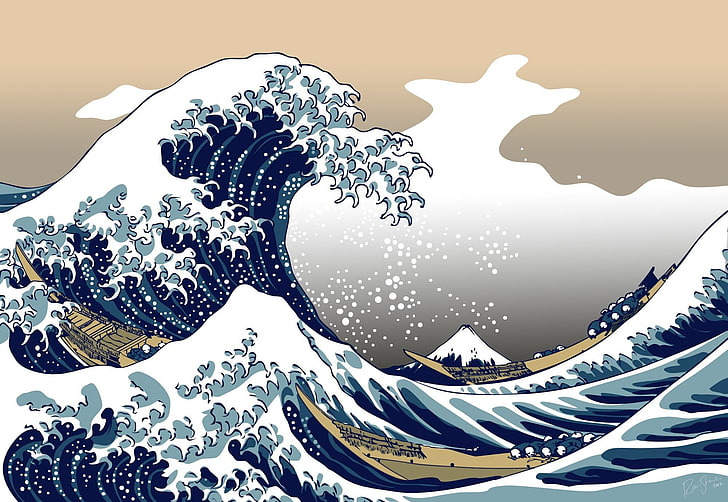
Katsushika Hokusai created the iconic The Great Wave off Kanagawa, one of the most recognisable images in world art. His series Thirty-six Views of Mount Fuji demonstrated how landscapes could become powerful artistic subjects.
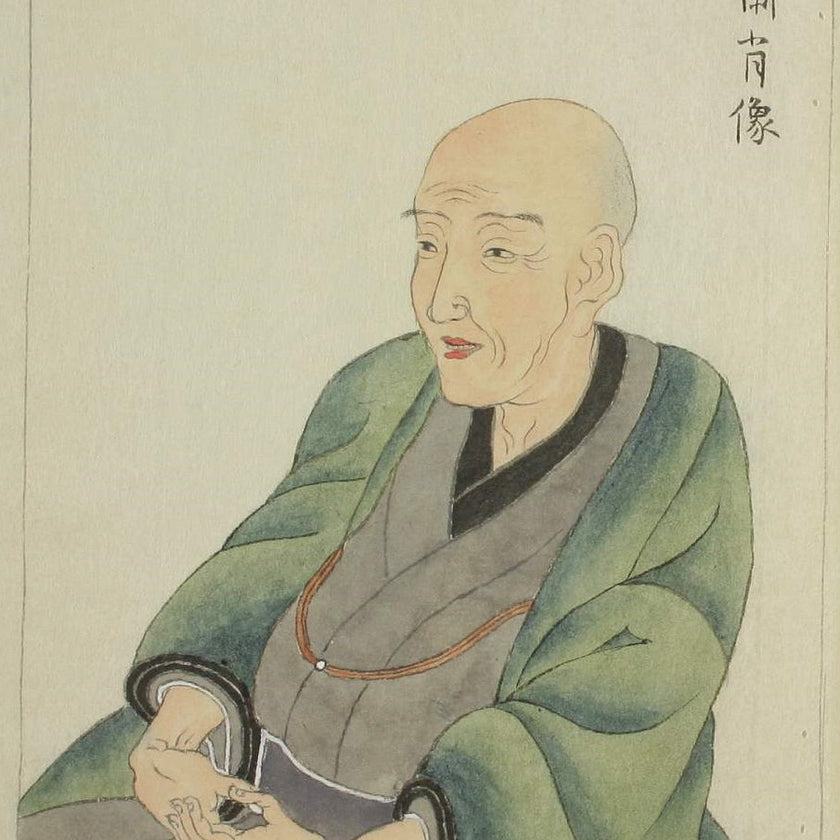
Utagawa Hiroshige became known for poetic landscapes that captured changing weather, quiet rivers and famous travel routes.
Kitagawa Utamaro specialised in elegant portraits of women, revealing remarkable attention to facial expression, clothing and everyday life.
Masterpieces That Changed Art History
Many works produced during the History of Japanese Ukiyo-e became symbols of Japanese culture. The Great Wave off Kanagawa remains one of the world’s most reproduced artworks. Its dramatic composition, towering wave and distant Mount Fuji continue to influence artists, advertisers and filmmakers.
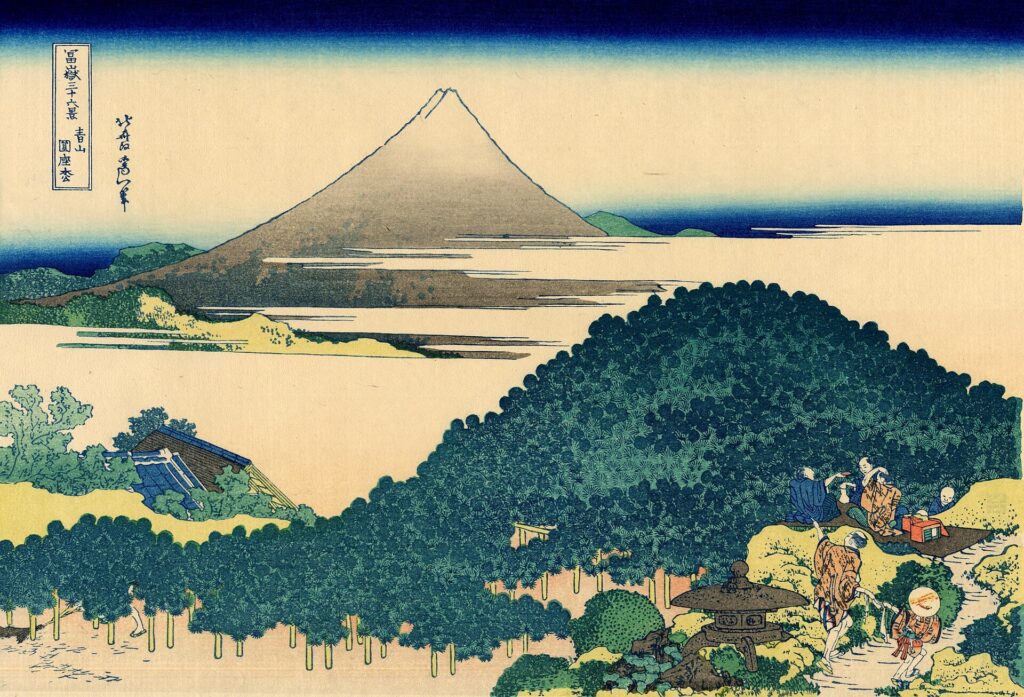
Other celebrated prints documented famous roads, changing seasons and local customs. Together, they created an extraordinary visual record of life in Edo-period Japan.
How Japanese Prints Influenced European Artists
The opening of Japan to international trade during the nineteenth century introduced Ukiyo-e prints to Europe. Artists quickly recognised their originality. Flat areas of colour, unusual viewpoints and asymmetrical compositions challenged long-standing European artistic conventions.
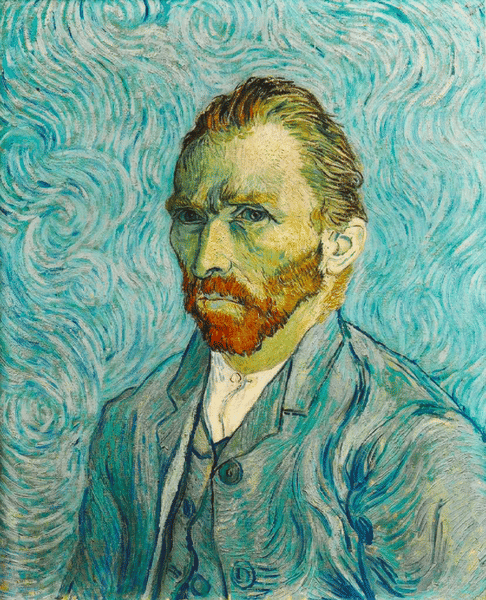
Vincent van Gogh admired Japanese prints and even copied several works while developing his own distinctive style. Claude Monet collected Ukiyo-e prints and reflected Japanese aesthetics in both his paintings and garden design. The movement known as Japonisme influenced Impressionism, Post-Impressionism and Art Nouveau, leaving a lasting mark on Western art.
The Legacy of Japanese Ukiyo-e in Modern Art
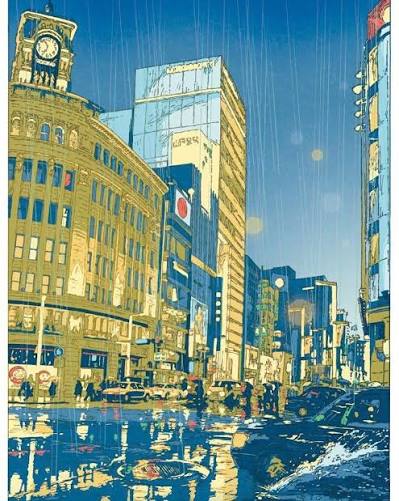
The History of Japanese Ukiyo-e continues to shape contemporary creativity. Graphic designers borrow its clean lines and striking colour palettes. Fashion brands reinterpret classic wave patterns and floral motifs. Anime, manga and digital illustrators often reference Ukiyo-e compositions while creating modern visual narratives.
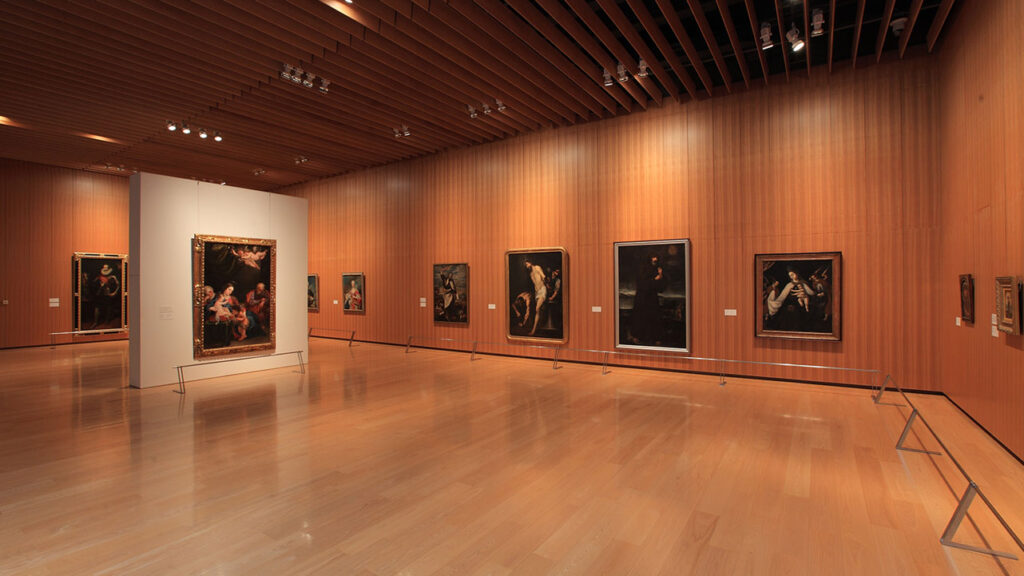
Museums across Japan, Europe and North America regularly exhibit these prints, attracting visitors interested in both history and artistic innovation. Advances in conservation have also helped preserve fragile woodblock prints for future generations.
The History of Japanese Ukiyo-e remains relevant because it demonstrates how artistic ideas can travel beyond borders and generations. What began as affordable prints for ordinary people became a global source of inspiration. As museums expand digital collections and new artists reinterpret traditional techniques, Ukiyo-e continues to connect Japan’s cultural heritage with the evolving language of modern art.

Umar Khan is a writer driven by curiosity and a passion for understanding the world. Through thoughtful analysis and evocative storytelling, he seeks to make complex ideas accessible, inspire meaningful conversations, and encourage fresh perspectives on the people, places, and issues that shape our shared future.