
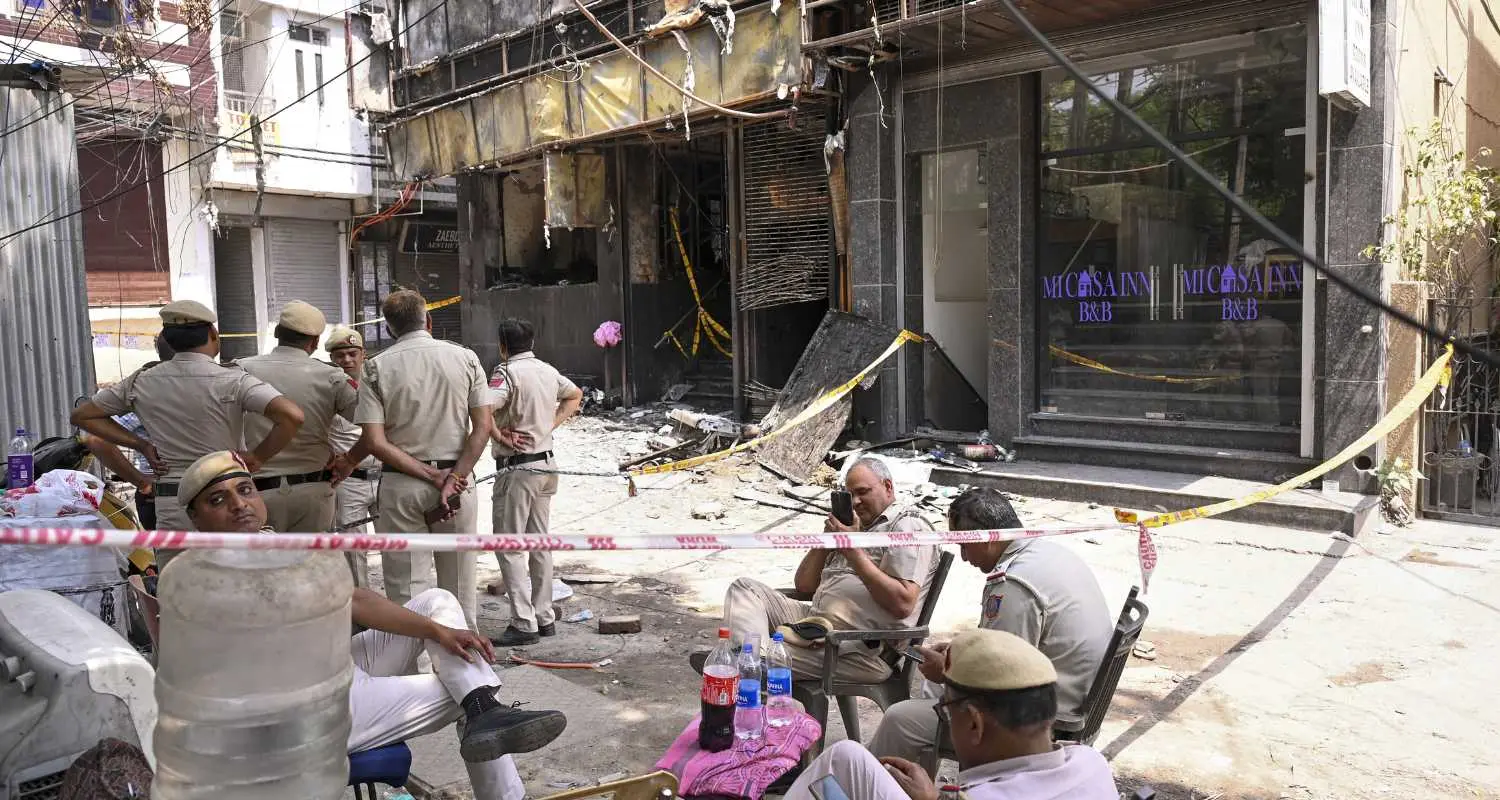
The Delhi government is set to replace the existing statutory framework governing bed-and-breakfast (B&B) establishments across the capital. The decision follows a tragic fire at a B&B property in Malviya Nagar in June that claimed 21 lives. The incident triggered citywide inspections and revealed widespread violations of building bylaws and fire safety norms across commercial lodging spaces.
To modernize regulations, the government will introduce the Delhi Bed and Breakfast Establishments (Repeal) Bill, 2026, in the Assembly on Tuesday.
The legislation seeks to repeal the National Capital Territory of Delhi (Incredible India) Bed and Breakfast Establishments (Registration and Regulation) Act, 2007. It also repeals its subsequent amendments from 2010 and 2021.
What the Proposed Repeal Bill Outlines for Existing Establishments
The new Bill aims to shift the regulation of B&Bs from a rigid legislative framework to a flexible executive policy regime. Meanwhile, according to official documents, the repeal will take effect once formally notified in the Official Gazette.
To prevent operational disruptions for the over 750 B&B establishments currently registered with the Delhi Tourism Department, the Bill includes transitional protections.
Existing registrations, certificates, approvals, and ongoing proceedings under the 2007 Act will remain valid. However, this will only apply if they comply with updated safety and municipal guidelines.
However, fresh registrations and pending applications under the old law will stay on hold during the transition period.
Tourism Minister Kapil Mishra Highlights Need for Flexible Policy
Tourism Minister Kapil Mishra outlined the rationale behind replacing the two-decade-old law. He pointed to massive shifts in the hospitality landscape and modern accommodation models.
Mishra stated that the government intends to promote and regulate B&B establishments through a streamlined executive policy framework.
He emphasized that the upcoming policy will operate in a liberalized manner. At the same time, it will maintain strict compliance with public health, municipal governance, public order, and fire safety protocols.
A comprehensive policy document is currently under review and will soon go to the Council of Ministers for final approval.

Curated news reports, in-depth analysis, and special features by India’s Opinion editorial team.