
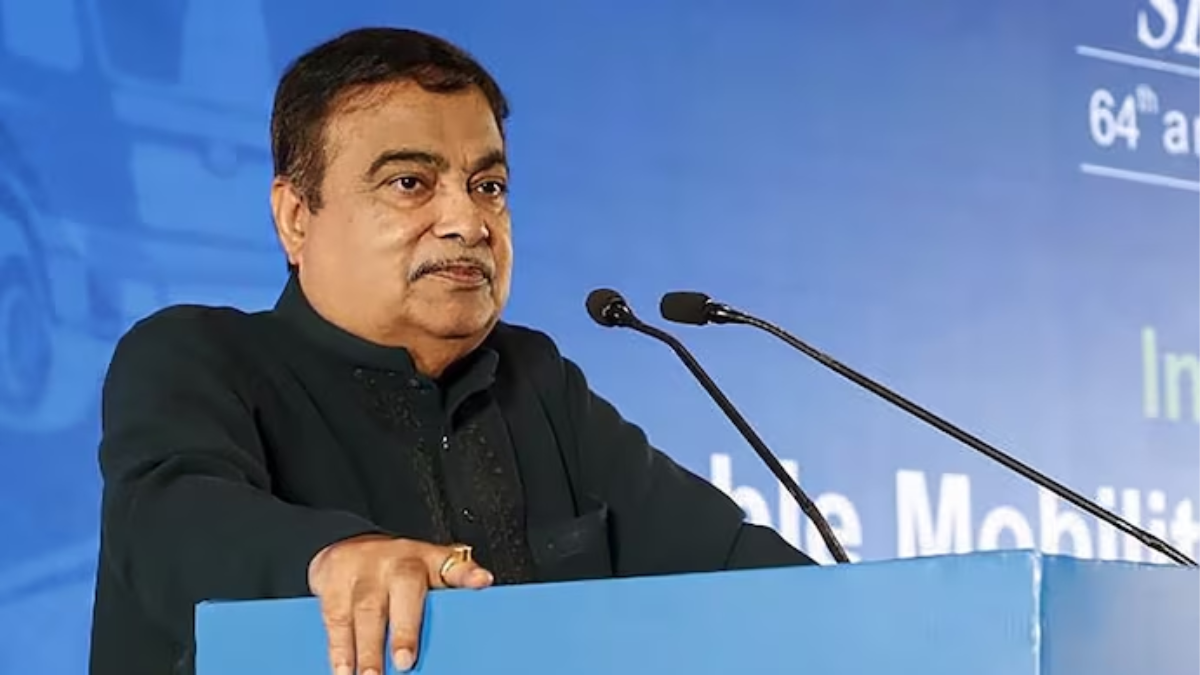
In a major legal victory for Union Road Transport and Highways Minister Nitin Gadkari, the Bombay High Court on Wednesday granted him interim relief in his civil suit against social media platforms. Justice Arif S. Doctor directed digital giants including Meta Platforms, Google LLC, and X Corp to immediately remove AI-generated deepfake videos and defamatory posts linking the minister to the government’s E20 fuel policy. Moreover, this development is a significant step in the ongoing matter involving Bombay High Court Nitin Gadkari E20 deepfakes Meta Google.
Describing the online material as “vile, abusive, and defamatory,” the court observed that such posts fuel unnecessary hostility. They have no place on public platforms accessed by people of all ages. Importantly, this case has brought the focus on Bombay High Court Nitin Gadkari E20 deepfakes Meta Google. It also highlights the responsibilities of social media companies.
Dynamic Injunction Issued Against Recirculated AI Media
To prevent the viral spread of fake content, the High Court issued a dynamic injunction. Under this directive, the social media platforms must not only delete the flagged posts. They must also take down any re-uploaded or recirculated versions of the same deepfake media. Because of the pressure from cases like Bombay High Court Nitin Gadkari E20 deepfakes Meta Google, tech platforms are being pushed to adopt better safeguards.
The court clarified that whenever Minister Gadkari flags new instances of similar abusive deepfakes, the tech companies must act promptly to remove them. In addition, the bench questioned whether these tech platforms possess automated internal mechanisms to remove malicious, AI-generated content. This should be done without forcing victims to approach the courts every time.
Gadkari Rejects E20 Link: “Petroleum Ministry Handles Fuel Policy”
The controversy stems from an intense social media campaign surrounding the Centre’s Ethanol Blended Petrol (EBP) programme. This programme introduced E20 (20% ethanol blended with petrol) across the country. Several manipulated videos, morphed photos, and AI voiceover clips claimed that Gadkari and his family were personally profiting from the mandated ethanol rollout.
In his court petition filed through advocate Sandeep S. Ladda, Gadkari clarified that he has no administrative role or financial nexus with the E20 policy. The Union Ministry of Petroleum and Natural Gas exclusively manages the EBP programme, sets pricing, and awards ethanol supply contracts.
“The purpose of filing this suit is not to prevent public discussion, debate, or fair criticism of government policy,” the petition stated. “It targets fabricated and defamatory deepfake content that illegally uses the plaintiff’s personality and publicity rights to mislead the public.”
Legal Action Targets Platform Accountability
Gadkari’s lawsuit identifies at least 24 specific defamatory URLs and seeks ₹11 crore in damages for reputational harm. Rather than filing individual police complaints against thousands of anonymous internet accounts, the minister’s legal strategy directly challenges Big Tech platforms. This strategy aims to enforce stricter moderation against AI misuse. For these reasons, Bombay High Court Nitin Gadkari E20 deepfakes Meta Google has become a touchstone for future regulatory actions.
The ruling sets a significant legal precedent regarding platform responsibility, digital disinformation, and the protection of public figures against AI-driven character assassination. At the same time, Bombay High Court Nitin Gadkari E20 deepfakes Meta Google continues to draw national attention to the need for robust online content regulation.

Curated news reports, in-depth analysis, and special features by India’s Opinion editorial team.