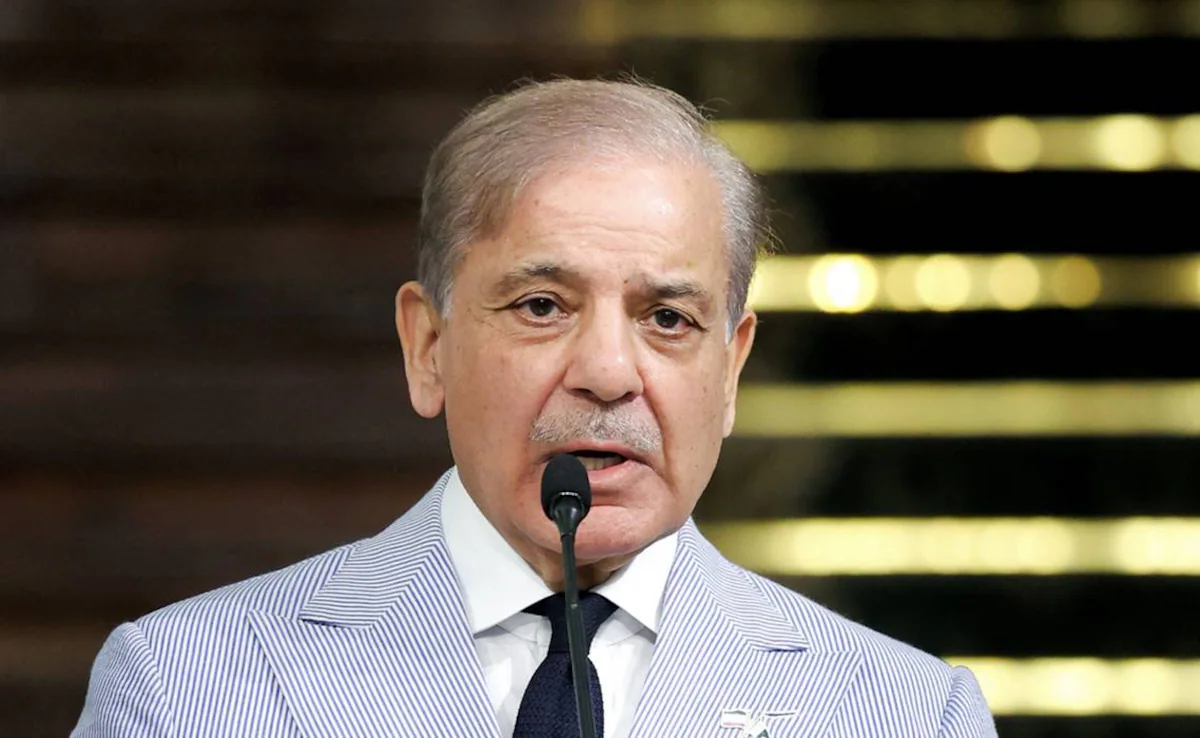
Diplomatic tensions flared dramatically at the United Nations General Assembly in New York. Pakistan Prime Minister Shehbaz Sharif issued a stern warning against neighboring India. He declared that altering river flows would constitute a direct provocation. According to Hindustan Times, Sharif framed the water dispute as an existential crisis. His remarks followed New Delhi’s stance on the Indus Waters Treaty. India swiftly exercised its official Right of Reply at the world forum. Indian diplomats condemned Pakistan for running entrenched cross-border terror networks. The fiery diplomatic exchange highlighted widening friction between the nuclear-armed neighbors.
Sharif Warns Against Weaponizing Shared River Basins
Sharif used his podium address to criticize Indian policy on water sharing. He insisted that the shared river network sustains millions of Pakistani households. The Pakistani leader specifically targeted India’s decision to hold treaties in abeyance. He claimed that international arbitration bodies supported Islamabad’s legal position completely. Sharif stated emphatically that essential water resources must never be weaponized during disputes. He warned that stopping or diverting water would invite an immediate retaliation. According to his speech, rivers ought to nourish populations rather than divide nations. He also urged the global assembly to intervene directly in regional conflicts. His heated rhetoric signaled growing alarm within Pakistan over mounting water scarcity.
Raking Up Kashmir at the Global Forum
Beyond river waters, Sharif renewed long-standing grievances regarding the Kashmir valley. He alleged that local residents continue to face severe political suppression. The prime minister demanded an international plebiscite under United Nations supervision. He reiterated familiar Pakistani accusations against Indian security forces operating in Jammu. Sharif urged world leaders to help resolve the territorial dispute immediately. He linked long-term peace in South Asia to settling the Kashmir question. Such statements have become a predictable annual fixture of Pakistan’s UN addresses. However, Indian officials noted that Islamabad routinely misrepresents ground realities to diplomats.
India Slams Cross-Border Terrorism and Duplicity
New Delhi issued a scathing rebuttal shortly after Sharif concluded his address. First Secretary Petal Gahlot delivered India’s formal response at the United Nations. As detailed by a Hindustan Times Report, India denounced Pakistan’s culture of deceit and terror. Gahlot stated that state-sponsored terrorism lies at the core of regional instability. She emphasized that repeat offenders would find nowhere safe to hide. India reiterated its sovereign right to defend its territory against violent incursions. The diplomat warned that acts of aggression would invite decisive, punitive consequences. She dismissed Sharif’s claims as hypocritical propaganda designed to distract world observers.
Territorial Integrity and Oppression in Occupied Regions
India reaffirmed that Jammu and Kashmir remains an inalienable national territory. Gahlot rejected any foreign interference in the internal affairs of the nation. She turned scrutiny back toward widespread rights violations inside Pakistan-occupied Kashmir. Residents in occupied areas face persistent suppression, economic hardship, and violence. The Indian delegation reminded the assembly that repeating falsehoods cannot fabricate truth. Pakistan’s reliance on cross-border militancy harms its own economic future deeply. International delegates were urged to see through Islamabad’s hollow moral posturing. New Delhi reiterated that bilateral dialogue requires an atmosphere completely free of violence.
Growing Strains Over Historic Water Pacts
The sixty-four-year-old Indus Waters Treaty faces unprecedented geopolitical strain. India has demanded formal modifications to reflect altered demographic and ecological realities. Increased climate volatility and infrastructural demands have transformed regional hydrology substantially. Meanwhile, New Delhi insists that blood and water cannot flow together. Cross-border attacks have made normal diplomatic engagement virtually impossible over recent years. Pakistan’s threats at the United Nations underscore its shrinking diplomatic leverage internationally. As both nations stand firm, bilateral ties remain frozen in bitter impasse.

Curated news reports, in-depth analysis, and special features by India’s Opinion editorial team.