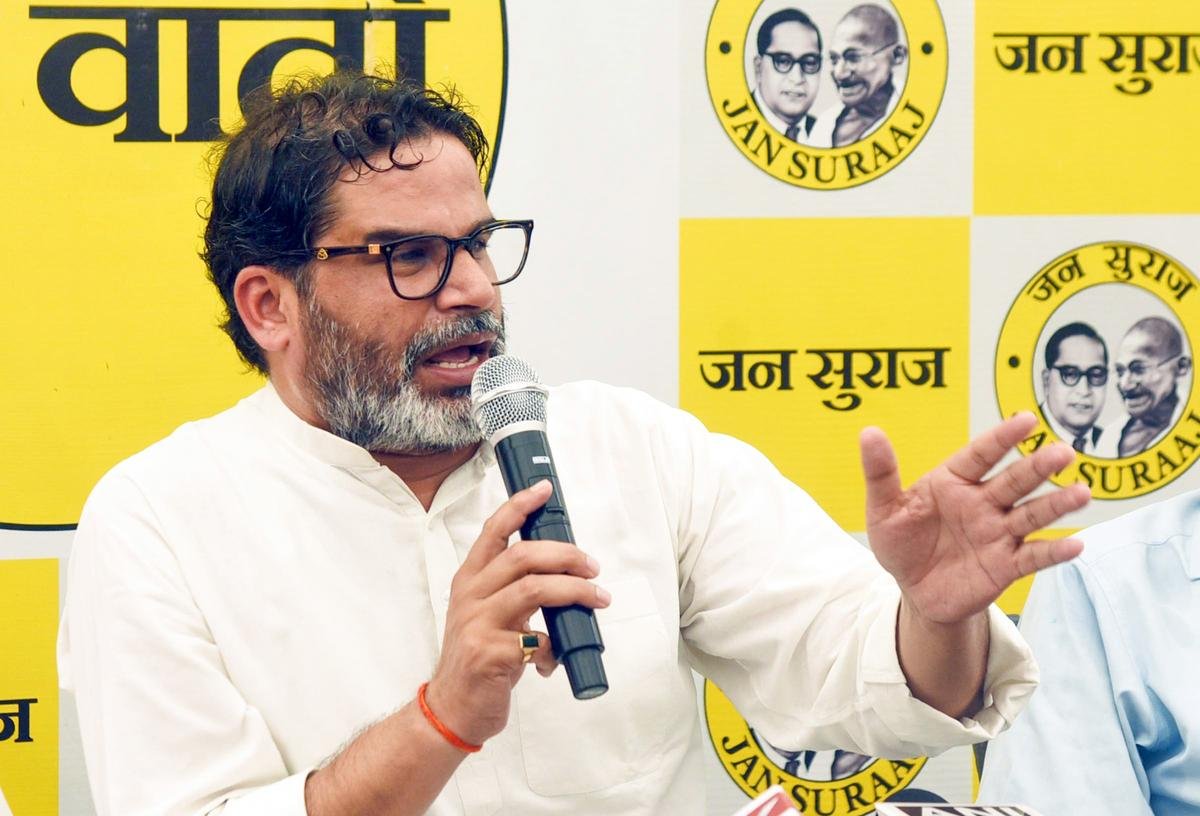
Poll strategist turned politician Prashant Kishor is expanding his political footprint northward. His Jan Suraaj Party is officially preparing to enter the national capital. The party aims to contest the upcoming Delhi Legislative Assembly elections directly. Kishor has convened a major meeting of key supporters in Delhi this Sunday. An exclusive report by The Indian Express confirmed his upcoming organizational announcement. A newly formed steering committee will spearhead the party’s metropolitan campaign apparatus. This move signals his long-term ambition to build a national political presence. His entry introduces a fiery new factor into Delhi’s established electoral battleground.
Fresh Momentum Following Historic Bankipur Assembly Bypoll Victory
The decision to expand into Delhi follows significant electoral success in Bihar. Kishor scored a stunning victory during the recent Bankipur assembly constituency bypoll. That breakthrough win in urban Patna proved his grassroots appeal among voters. It demonstrated that his party could defeat entrenched traditional political alliances effectively. Party cadres now believe that urban voters are seeking a credible alternative. Kishor spent months walking across Bihar to build strong grassroots organizational structures. His padayatra highlighted issues of chronic migration, unemployment, and failing local infrastructure. Building upon this regional momentum, he aims to capture national political imagination. The Delhi venture represents the first testing ground outside his home state. A strong urban showing would establish Jan Suraaj as an emerging force. Party leaders express quiet confidence about replicating their recent breakthrough in Delhi.
Tapping Into the Capital’s Massive Purvanchali Demographic Vote Bank
Jan Suraaj Party’s core strategy relies on Delhi’s massive migrant population. Millions of Purvanchali voters trace their ancestral roots to Bihar and UP. These communities live extensively across eastern, northeastern, and outer Delhi neighborhoods. In many assembly seats, migrant electors determine the final winning margin decisively. Traditional parties have long courted these voters with promises during election cycles. However, many residents feel neglected by established political outfits after elections conclude. Kishor intends to appeal directly to their shared cultural and regional heritage. His team plans to establish neighborhood committees across unauthorized colonies and slums. The campaign will address basic issues like clean drinking water and drainage. By uniting these migrant communities, Jan Suraaj hopes to disrupt traditional alignments. Purvanchali youth could provide energetic campaign volunteers across crowded residential bastis.
Disrupting the Tripartite Battle Between AAP, BJP, and Congress
The entry of Jan Suraaj complicates politics in the national capital considerably. Delhi’s political landscape has remained a bitter direct fight between two parties. The Aam Aadmi Party draws immense strength from low-income migrant residential clusters. Meanwhile, the Bharatiya Janata Party has steadily cultivated Purvanchali community leaders. Congress also struggles to reclaim its lost influence among working-class urban voters. A credible fourth player could divide core votes in unpredictable political directions. Political analysts point out that Kishor previously designed winning campaigns for rivals. He understands the internal operational weaknesses of established capital party machineries intimately. Rival parties are closely monitoring his public gatherings and preliminary organizational choices. Kishor’s aggressive campaigning style could force opponents to rework their outreach plans. Delhi’s next assembly contest promises to be intensely competitive and deeply unpredictable.
Long-Term Vision for National Expansion Ahead of Twenty-Twenty-Nine
The Delhi election is part of a broader, carefully crafted national roadmap. Kishor has repeatedly stated that systemic change requires long-term dedicated institutional persistence. The party plans to contest selected urban centers before future national elections. Delhi offers unparalleled media visibility and national political influence for expanding parties. Successful governance advocacy in the capital attracts talented professionals and young volunteers. It also generates vital fundraising networks necessary for sustaining extensive grassroots campaigns. Jan Suraaj aims to build a modern, data-driven political machinery across states. By blending professional management with grassroots mobilization, Kishor seeks structural transformation. Sunday’s party conclave will outline concrete timelines for candidate screening and manifestos. As assembly elections draw near, political temperatures in the capital will soar. Kishor’s latest gamble will test whether regional momentum translates to national appeal.

Curated news reports, in-depth analysis, and special features by India’s Opinion editorial team.