U.S. intelligence analysts expressed deep skepticism over Israeli-derived warnings alleging an Iranian plot to target President Donald Trump’s aircraft. Despite low confidence within the CIA regarding the threat, the warning triggered a high-stakes covert operation. This operation saw Trump secretly whisked off Air Force One inside an airport catering truck following a NATO summit in Turkey.
According to reports published by The Washington Post, The New York Times, and CBS News, the Secret Service executed the elaborate decoy operation in Ankara out of an abundance of caution. As a result, over 100 aides, administration officials, and traveling press aboard the primary presidential aircraft were left unaware of the maneuver.
The Ankara Decoy Operation
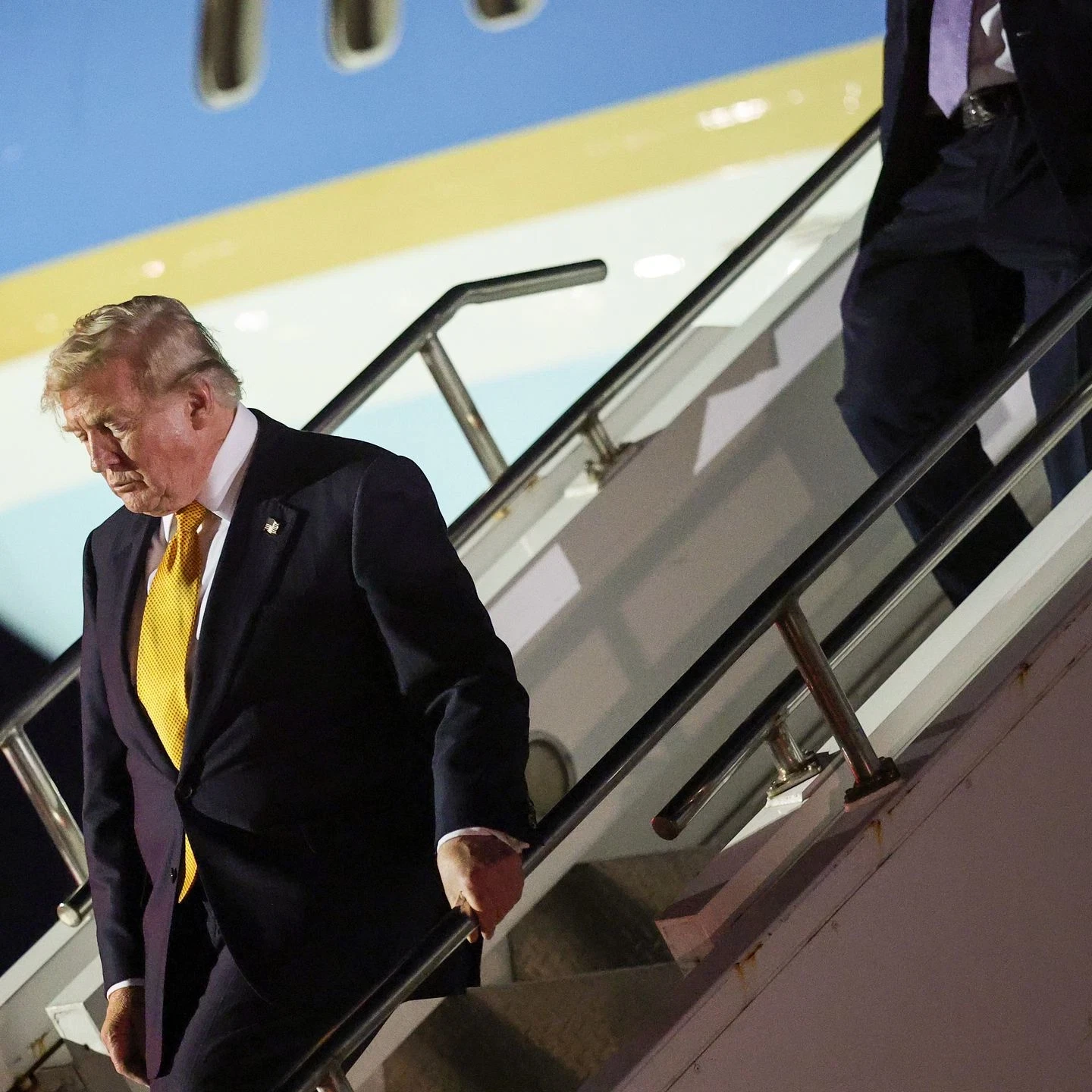
The extraordinary operation unfolded as Trump prepared to depart Ankara. To create the impression of a routine departure, Trump walked up the steps of the legacy Boeing 747 Air Force One. He did so in full view of television cameras and media personnel.
However, moments after stepping inside, Trump was shuttled across the tarmac concealed inside an airport catering truck—the type normally used to replenish food supplies. The truck transported the president directly to a smaller Air Force C-32A parked nearby. Furthermore, he was accompanied by fighter jet escorts to RAF Mildenhall in Britain.
Meanwhile, journalists and White House personnel remained aboard the legacy Air Force One, effectively functioning as an unwitting decoy. Press pool reporters were instructed by security personnel to keep their window shades drawn throughout the flight.
When later asked by reporters why the window shades were kept shut, Trump remarked: “You were probably on a dangerous flight. But if I go, you go. Right?”
Intelligence Community Doubts and Geopolitical Friction
While the Secret Service authorized the maneuver following three prior security incidents, current and former U.S. intelligence officials disclosed that CIA analysts viewed the Israeli-provided intelligence as unconvincing.
- Low Confidence Assessment: Intelligence officials characterized the warning—which claimed Iran or its proxy forces intended to launch a missile at Trump’s plane—as “Israeli-derived, not U.S.-generated” and assigned it a “low confidence” rating.
- Questioning Intentions: Some U.S. officials suggested that Jerusalem shared the urgent warning primarily to influence Washington’s regional policy. They also aimed to escalate pressure against Tehran during ongoing military hostilities.
- No Hostile Forces Detected: Joint U.S. and Turkish security sweeps across the capital found no evidence of an active launch team or missile system. This was true in the vicinity of Ankara airport.
Congressional Pushback and Security Scrutiny
The public revelation of the secret aircraft swap sparked sharp criticism from Democratic lawmakers on Capitol Hill. These lawmakers raised concerns about leaving staff and journalists on an aircraft deemed too risky for the commander-in-chief.
Senator Richard Blumenthal described the decoy operation as “unprecedented and downright scary,” demanding a formal congressional briefing on the safety protocols. He specifically addressed those protocols extended to passengers left on Air Force One.
Similarly, Senator Chris Van Hollen questioned whether the Israeli intelligence was independently verifiable. He noted that while Iranian hostility remains real, the specific operational scenario appeared questionable.
In response to queries, the White House and Secret Service maintained that all necessary precautions are taken. This applies when addressing potential threats against the president.
Trump himself defended the decision, telling reporters: “I go by Secret Service and the military. They wanted me to go on a different plane… I do what they say.”

Curated news reports, in-depth analysis, and special features by India’s Opinion editorial team.