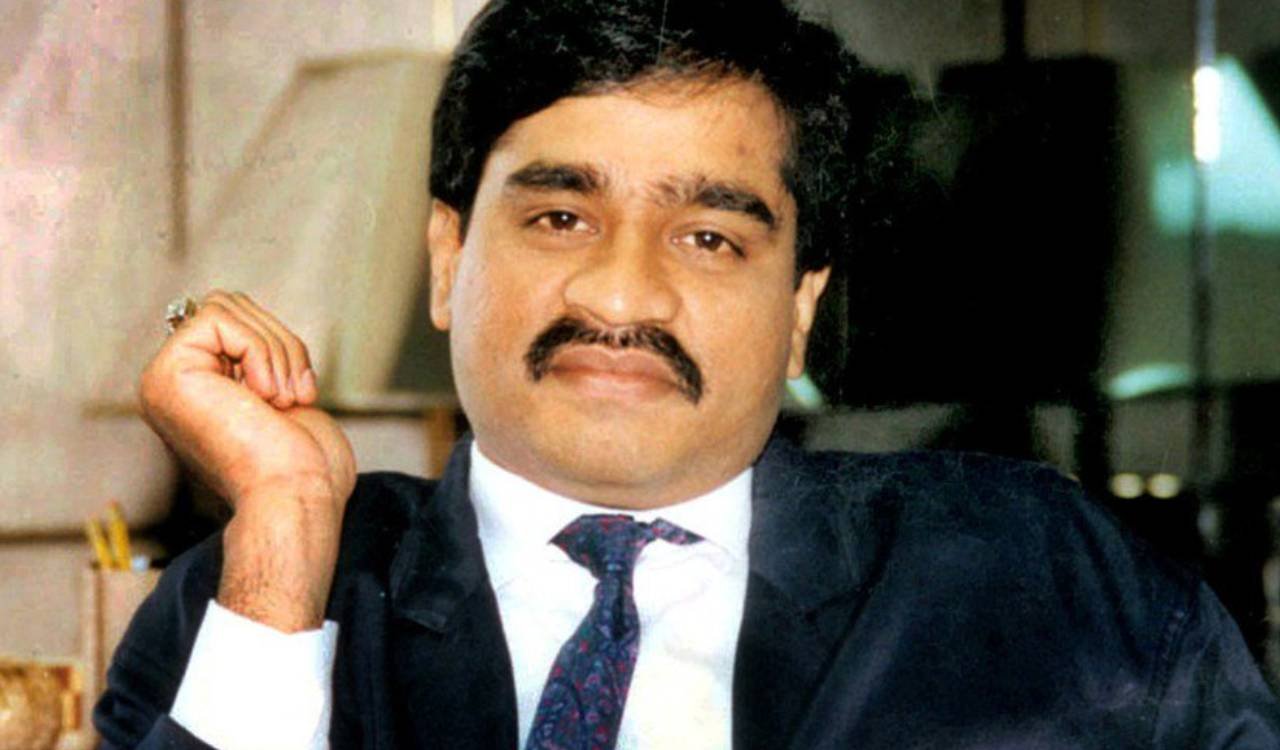
India strongly rejected a United Nations report describing fugitive terrorist Dawood Ibrahim’s D-Company as an “India-based” syndicate. The sharp diplomatic rebuttal arrived during a committee session at the UN General Assembly in New York. Indian diplomats called the characterization deeply incompetent and factually erroneous.
The controversial description appeared in an official briefing submitted by UN Special Rapporteur Ben Saul. According to diplomatic statements reported by The Hindu, Indian representatives expressed deep dismay over the blatant error. Diplomats pointed out that the rapporteur ignored decades of established multilateral findings. Therefore, New Delhi registered a formal protest demanding an immediate correction of the United Nations record.
Documented Pakistan Haven Directly Contradicts Report Claim
Indian diplomats reminded the international forum that Dawood Ibrahim has operated from Pakistan for over three decades. The fugitive crime boss orchestrated the horrific 1993 Mumbai serial bomb blasts, which killed 257 innocent civilians.
Following the terror attacks, Ibrahim fled justice and established headquarters in the Pakistani port city of Karachi. As detailed by Hindustan Times, the crime syndicate operates under the direct protection of Pakistani military intelligence. Furthermore, the transnational gang runs lucrative narcotics smuggling, weapons trafficking, and extortion rackets from overseas bases. Consequently, Indian envoys asserted that calling the syndicate “India-based” completely distorts reality.
Global Terror Sanctions List Identifies Karachi Addresses
The Indian mission highlighted that the UN’s own security organs identify Ibrahim’s Pakistani sanctuaries. The UN Security Council 1267 Sanctions Committee designated Dawood Ibrahim as an international terrorist in 2003.
Official UN sanctions records specifically list his residential compound in the upscale Clifton area of Karachi. Detailed reporting by The Economic Times confirmed that international intelligence files document multiple Pakistani passports issued to the fugitive. In addition, the Financial Action Task Force (FATF) previously monitored Pakistani state links to D-Company assets. As a result, India noted that the special rapporteur overlooked publicly available multilateral security dossiers.
New Delhi Demands Immediate Correction in Counter-Terror Mandate
Indian envoys warned that careless reporting severely undermines the credibility of United Nations human rights mandates. Diplomats stressed that international rapporteurs must verify foundational facts before publishing formal country evaluations.
Coverage by India Today revealed that New Delhi asked the UN Secretariat to expunge the misleading classification. Meanwhile, Indian security agencies reiterated their commitment to bringing 1993 bombing conspirators to trial. On the other hand, diplomatic observers emphasized that false labels shield state sponsors of terrorism from international scrutiny. India maintains that effective counter-terrorism cooperation requires unbiased adherence to verified multilateral evidence.

Curated news reports, in-depth analysis, and special features by India’s Opinion editorial team.