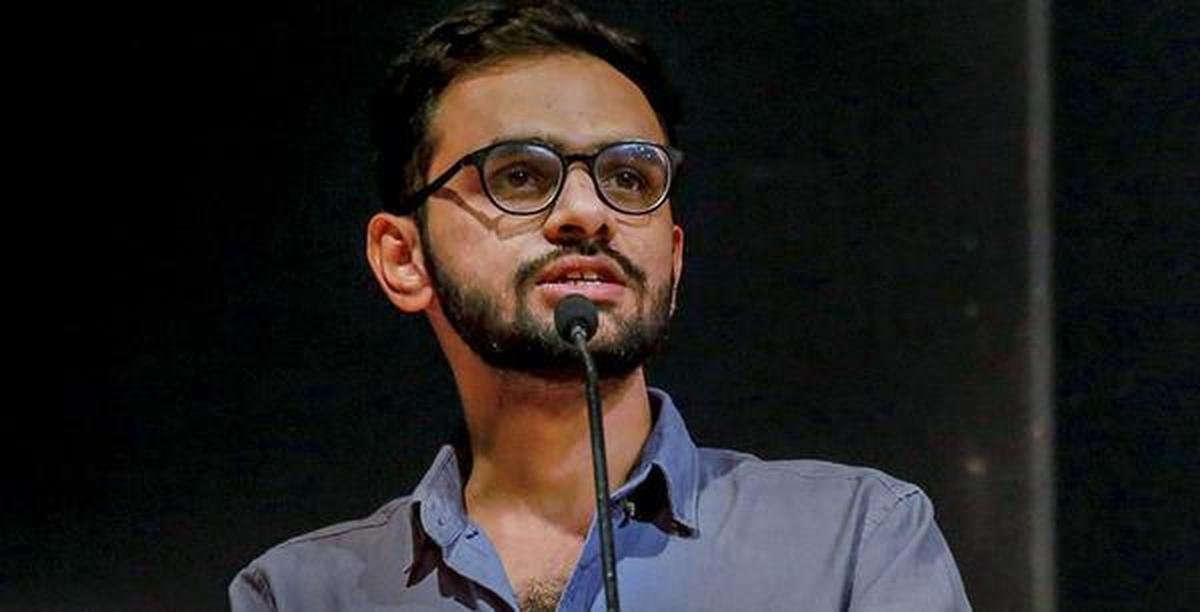
The International Institute of Information Technology Hyderabad cancelled the scheduled screening of a documentary on activist Umar Khalid. Campus administrators intervened following strong regulatory objections from the Central Board of Film Certification on Thursday evening. Furthermore, student organizers had originally planned to exhibit the biographical feature inside the KRB Auditorium on Friday. The sudden cancellation follows regulatory warnings concerning statutory exhibition guidelines, according to ThePrint.
The documentary, titled Prisoner No. 626710 is Present, chronicles Khalid’s prolonged pretrial incarceration under anti-terror legislation. However, the censor board noted that displaying uncertified audio-visual works infringes established Indian statutory regulations. Consequently, university authorities moved swiftly to distance the premier engineering institution from the controversial campus gathering. The episode highlights intensifying scrutiny surrounding political documentary screenings across premier academic institutions.
CBFC Flags Cinematograph Act Violations
The regulatory dispute erupted after the Central Board of Film Certification issued an official advisory on social media. The censor board asserted that public exhibitions require statutory clearance certificates or formal central government exemptions. In addition, the regulatory authority warned that uncertified screenings violate mandatory provisions under the Cinematograph Act of 1952. The board specifically tagged campus administrators to demand immediate preventive enforcement, reports The Hindu.
Institute administrators acted promptly upon receiving the regulatory notice to avoid potential legal entanglements. Therefore, campus security officials withdrew logistical permissions previously allocated for the evening gathering. Furthermore, officials clarified that organizers had not secured formal institutional clearances for hosting external film projections. The administrative intervention successfully prevented student gatherings from proceeding inside campus auditorium halls.
Documentary Explores Khalid’s Pretrial Incarceration
Acclaimed documentary filmmaker Lalit Vachani directed the non-fiction project examining Khalid’s extended legal ordeal. The film focuses on Khalid’s arrest in September 2020 concerning the northeast Delhi communal riots. Moreover, prosecution agencies charged the former research scholar under stringent sections of the Unlawful Activities Prevention Act. Khalid has remained in judicial custody for six years while awaiting substantive trial proceedings, notes NDTV.
The narrative weaves personal interviews, court documents, and civil rights debates surrounding prolonged pretrial detentions. Supporters describe the cinematic production as an essential human rights record documenting contemporary criminal justice challenges. However, opposing student groups argue that uncertified political films distort ongoing judicial determinations. Consequently, the documentary consistently attracts fierce ideological friction whenever student groups attempt campus projections.
Growing Resistance Across Indian Campuses
The controversy in Hyderabad mirrors similar recent administrative confrontations across top educational campuses in India. Earlier this month, administrators at the National Law School of India University in Bengaluru postponed identical screenings. The Bengaluru postponement followed vigorous public protests and formal memorandums submitted by the Akhil Bharatiya Vidyarthi Parishad. Student activists demanded that university authorities permanently ban uncertified political productions from educational premises.
Campus administrations increasingly navigate severe pressures when student societies organize politically sensitive academic events. Conservative youth organizations maintain that unvetted films propagate biased narratives regarding sensitive sub-judice matters. Nevertheless, civil liberty advocates argue that campus screening restrictions stifle critical enquiry and student discourse. Both perspectives reflect a deepening cultural contest over academic freedom within higher education spaces.
Regulatory Pressures and Future Screenings
The episode highlights the expanding enforcement jurisdiction exercised by film regulatory authorities across non-commercial spaces. Traditionally, private campus screenings operated without stringent certification requirements under academic club privileges. Meanwhile, central regulators now actively scrutinize university venues to enforce strict compliance with central statutes. Independent filmmakers express growing concern regarding shrinking avenues for displaying alternative non-commercial cinema.
Following the cancellation, IIIT Hyderabad restored normal evening academic operations across its Gachibowli campus. Organizers acknowledged the administrative order but reiterated their commitment to organizing future academic dialogues. Furthermore, rights groups continue calling for expedited bail hearings for long-term political undertrials, notes The Indian Express. The dispute demonstrates how cinema regulation and student activism remain deeply intertwined across modern campuses.

Curated news reports, in-depth analysis, and special features by India’s Opinion editorial team.