
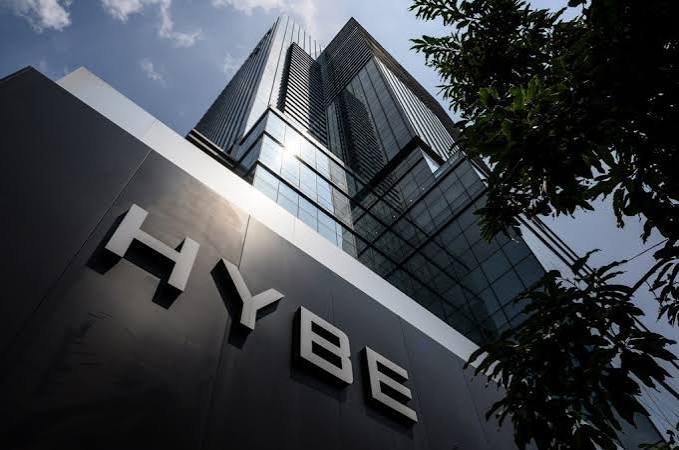
HYBE India expansion targets a fast-growing music market
The HYBE India expansion is moving into a new phase as the South Korean entertainment company looks to build a deeper presence in one of the world’s largest music markets.
Damien Woochang Lee, CEO of HYBE India, described India as a natural next step in the company’s international growth. He pointed to the country’s rapidly developing music ecosystem and its cultural diversity as major reasons for the company’s focus.
HYBE is best known globally as the company behind BTS and a wider portfolio of artists and entertainment businesses. Its India strategy, however, goes beyond bringing Korean acts to Indian audiences.
The company says its Indian operation aims to develop local artists and create music that can travel beyond the domestic market. HYBE India’s official website describes the business as a meeting point between India, Korea and the wider world.
That approach could make the HYBE India expansion different from a conventional overseas entertainment venture. Instead of treating India only as a touring destination, HYBE wants to participate in the country’s talent-development ecosystem.
Indian talent becomes central to HYBE’s strategy
The company has already begun building an infrastructure for discovering performers in India.
HYBE India currently operates an audition platform inviting aspiring artists to apply for opportunities with the company. Its official audition website presents the search as an effort to identify future global stars.
The move reflects a broader change in the international music business.
Streaming platforms have reduced the importance of geographic boundaries, allowing artists to reach audiences far beyond their home markets.
For HYBE, India offers a particularly large pool of potential performers. The challenge is finding artists who can combine local identity with music capable of attracting international listeners.
Lee has spoken about developing Indian talent while connecting artists across markets. India Today reported earlier this month that HYBE India is also exploring collaborations involving Indian and Korean artists.
Why India matters to the K-pop industry
The HYBE India expansion comes as Indian audiences have become increasingly familiar with Korean popular culture.
K-pop already has an established following in India, while Korean films, dramas and digital content have also built large online communities.
BTS has played a major part in that growth.
The group has a large Indian fan base, commonly known as ARMY, although India has yet to become a regular destination for major BTS concerts.
Lee said the strength of the Indian fan community is one factor behind HYBE’s interest in the market. He also indicated that the company wants to develop a long-term relationship with Indian audiences rather than rely only on established Korean stars.
That strategy could help HYBE reduce one of the biggest risks facing international entertainment companies: entering a new market without understanding its local audience.
India’s music industry remains highly diverse. Bollywood soundtracks dominate parts of the mainstream market, while independent artists, regional-language music and hip-hop have developed strong audiences of their own.
A successful international strategy therefore requires more than importing the Korean entertainment model.
HYBE wants Indian artists to travel globally
The most ambitious part of the HYBE India expansion is the possibility of turning Indian artists into international acts.
HYBE India’s stated mission includes creating Indian-born stories that can reach audiences worldwide.
The company says it wants to combine India’s cultural context with HYBE’s global entertainment expertise.That model has already been tested by HYBE through projects involving artists from different countries.
The company has developed global groups and international collaborations rather than restricting its operations to South Korea. India gives HYBE another market where it can apply that approach.
The opportunity is considerable, but the strategy also carries challenges. Indian music preferences vary sharply between regions and languages.
An artist who succeeds nationally does not automatically have an audience overseas.HYBE will therefore need to balance commercial decisions with cultural credibility.
BTS remains an important part of the equation
BTS continues to shape perceptions of HYBE around the world.For Indian fans, the company’s local presence naturally raises questions about whether BTS and other major HYBE artists could eventually perform in India.
Lee has discussed the possibility of bringing BTS and other K-pop artists to the country, but an India concert should not be treated as confirmed unless HYBE announces specific dates and venues. India Today reported that the company is working toward a broader relationship with the Indian market.
That distinction matters because fan expectations can move faster than official plans.A major BTS concert would create substantial attention, but HYBE’s longer-term business opportunity may lie elsewhere.
Local artist development could create a permanent presence that does not depend on the touring schedules of established Korean groups.
The business opportunity extends beyond music
The HYBE India expansion could also influence areas beyond recordings and concerts.HYBE operates across music, artist management, intellectual property, content and fan-related businesses.
Its global model has increasingly connected music with other forms of entertainment.India’s large digital audience gives those businesses room to grow.
Music videos, merchandise, live events, fan experiences and digital platforms can all contribute to an artist’s commercial ecosystem.Yet competition is intense.
Indian labels, streaming services and entertainment companies already have deep relationships with local artists and audiences.HYBE’s international reputation may open doors, but it cannot replace local knowledge.
A test of whether the Korean model can travel
The HYBE India expansion ultimately represents a test of how far the company’s entertainment model can travel.
South Korea’s music industry built a powerful export system around artist training, production, choreography, fan communities and international marketing.
India has a very different entertainment history, with strong film music traditions and hundreds of millions of listeners across multiple languages.
HYBE must therefore adapt rather than simply replicate its Korean formula.Its India operation has already signalled an interest in local talent and cross-border collaboration.
The next stage will show whether that strategy can produce artists with genuine domestic support and international appeal.For Indian musicians, the arrival of a major Korean entertainment company could create another route into the global market.
For HYBE, India offers access to an enormous audience and a deep pool of creative talent.The HYBE India expansion is still developing, and many of its biggest ambitions remain future plans rather than completed projects.
The company’s ability to discover Indian artists, build local trust and connect them with global audiences will determine whether its Indian venture becomes a lasting part of HYBE’s international business.

Curated news reports, in-depth analysis, and special features by India’s Opinion editorial team.