
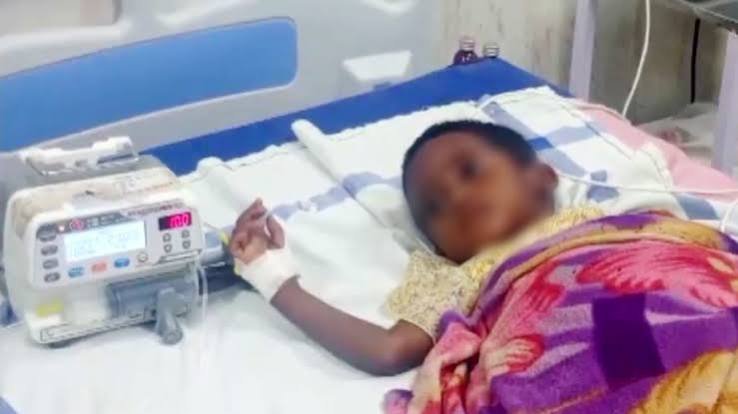
A central investigation into the tragic deaths of more than 30 children in Madhya Pradesh’s Balaghat district has uncovered a systemic collapse of rural public healthcare. The inquiry revealed that local clinics lacked basic diagnostic tools, while assigned medical staff remained chronically absent.
The deaths occurred across impoverished tribal villages over recent weeks due to preventable respiratory and seasonal infections. Furthermore, a central fact-finding team confirmed that administrative negligence and delayed medical interventions turned routine sickness into a fatal crisis, according to an investigative report by The Indian Express.
Locked Diagnostic Labs and Missing Medical Staff
When investigators inspected Primary Health Centres (PHCs) and Community Health Centres (CHCs) in the district, they encountered locked doors and empty examination rooms. Most peripheral clinics had no operational laboratories to conduct routine blood or pathogen tests.
Consequently, local health workers could not identify early bacterial or viral infections. In addition, duty rosters revealed extensive absenteeism among government doctors and nursing staff.
Many medical officers posted to tribal areas rarely visited their assigned health outposts. Therefore, desperate families found zero emergency medical support when their infants developed sudden high fevers and dehydration.
Delayed Referrals Cost Precious Lives
Because local clinics failed to provide basic primary care, tribal parents had to carry sick children across difficult forest paths to reach distant district facilities. However, transport options were almost nonexistent.
Many parents waited hours for state emergency ambulances that never arrived. By the time families reached the Balaghat District Hospital on private motorbikes, multiple infants had already developed irreversible septic shock.
Pediatricians at the referral hospital noted that timely antibiotic doses at the village level could have saved nearly all the victims, as detailed by The Times of India.
Malnutrition Compounds Disease Vulnerability
The central report also highlighted deep-seated nutritional deficiencies among children in the region’s tribal hamlets. Chronic food insecurity and poor potable water supplies weakened the infants’ immune systems.
Furthermore, state nutrition outreach programs and Anganwadi centers suffered from irregular supplementary ration supplies. When seasonal monsoon pathogens struck the villages, underweight children lacked the biological resilience to fight off common ailments.
As a result, preventable gastrointestinal infections spread rapidly across households, overwhelming unprepared community workers.
Growing Outrage and Demands for Accountability
The tragedy has sparked sharp political and social outrage across the state. Opposition leaders and civil rights delegations visited grieving families in Balaghat to demand systemic health reforms.
Visiting leaders demanded immediate criminal action against negligent medical officers and regional health supervisors. In response, the state health department initiated departmental inquiries and promised to deploy mobile medical units to remote habitations.
Ultimately, the heartbreaking deaths in Balaghat expose the deadly human cost of rural health apathy, underscoring the urgent need to rebuild village clinics with dependable staff and diagnostic equipment.

Curated news reports, in-depth analysis, and special features by India’s Opinion editorial team.